



All Disease Research articles – Page 8
-
 Article
The predictive validity crisis: Pharma’s productivity paradox – Part II
Part II shows that the predictive validity crisis can be solved by rethinking how the industry chooses models, measures outcomes and integrates systems. Success stories from Vertex, Regeneron and AstraZeneca illustrate how aligning biology, measurement and strategy can reverse decades of declining productivity.
-
 News
NewsNew compound blend reverses sugar damage to tackle ageing and obesity
Scientists have developed a compound blend that reverses sugar-related cellular damage in mice, which could lead to future therapies to slow ageing and treat metabolic diseases.
-
 News
NewsPulmonary fibrosis: new drug slows and reverses lung scarring
Researchers have identified a key cellular mechanism that drives pulmonary fibrosis and successfully blocked it in mice, reducing lung scarring.
-
 Article
The predictive validity crisis: Pharma’s productivity paradox – Part I
Drug discovery now costs 100 times more per FDA-approved drug than in 1950, despite vast advances in biology and computing. The core problem is the collapse of predictive validity in preclinical models, which sits at the heart of pharma’s productivity paradox.
-
 News
NewsDARG cells may drive neurodegeneration in progressive MS
Scientists have discovered a rare type of brain cell that appears to drive the chronic inflammation seen in progressive multiple sclerosis – which could potentially lead to new disease-modifying therapies.
-
 Article
Eye movements as objective biomarkers: accelerating CNS drug development
Measuring disease progression remains one of the biggest hurdles in CNS drug development. Eye movements, now trackable with just a laptop and webcam, are emerging as a sensitive and scalable biomarker that could transform how trials are designed and therapies reach patients.
-
 News
NewsPemafibrate and telmisartan combo may reverse fatty liver
A new study shows that approved drugs, pemafibrate and telmisartan, when combined, can reduce liver fat and may lower cardiovascular risk in metabolic dysfunction-associated steatotic liver disease.
-
 News
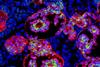
NewsKidney organoids show APOL1 gene’s role in chronic kidney disease
New research using stem cell-derived kidney organoids reveals how APOL1 gene mutations disrupt mitochondrial function in kidney cells – potentially leading to new targeted treatments.
-
 News
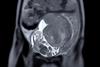
NewsSevere flu during pregnancy compromises placental and brain barriers
Severe flu in pregnancy may weaken the placenta and foetal brain, allowing harmful molecules to leak in and disrupt development, a new study finds
-
 News
NewsThe road to safer painkillers: the role of the EP2 receptor
NYU researchers have identified a receptor in prostaglandins that triggers pain without affecting inflammation – which could lead to safer, more targeted pain treatments.
-
 News
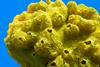
NewsMarine sponges could hold the key to new Leishmaniasis treatments
Japanese researchers have discovered potent new compounds from marine sponges that could transform the treatment of leishmaniasis – a neglected tropical disease affecting millions worldwide.
-
 News
NewsFibroblast mapping reveals potential universal drug targets
Scientists have mapped the diversity of fibroblasts and discovered how ‘rogue’ fibroblasts drive multiple diseases, revealing drug targets that could transform treatments across the body.
-
 News
NewsGut probiotics could offer relief for sickle cell disease pain
A new study from UT Dallas and the Medical College of Wisconsin links chronic sickle cell disease pain to gut bacteria – identifying Akkermansia muciniphila as a potential target for new probiotic or microbiome-based therapies.
-
 News
NewsLab-grown kidneys show real function in new stem cell study
USC Stem Cell scientists have created the most advanced lab-grown kidney structures to date, combining key components into ‘assembloids’ that mature and function like real kidneys, which could open up new possibilities for modelling complex kidney diseases.
-
News
ProRNA3D-single: new AI for drug discovery and disease research
Virginia Tech computer scientists have created a new AI tool, ProRNA3D-single, that can generate 3D models of how viral RNA binds to human proteins – a development that could speed up drug discovery.
-
 News
NewsNew therapies boost deep brain stimulation accuracy in epilepsy
In a new study, researchers have discovered that deep brain stimulation targeting the centromedian nucleus could help patients with drug-resistant epilepsy improve seizure control.
-
 Article
Better assays: the key step in moving drugs from lab to clinic
From gene therapy to Long Covid, better assays are helping researchers move promising drug candidates from early studies into clinical trials. Dr Alexandre Lucas explains the technologies, challenges and innovations driving this progress.
-
 News
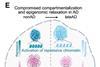
NewsTargeting gene regulation may hold key to future Alzheimer’s therapies
Researchers have discovered that Alzheimer’s disease is driven by a deeper loss of gene regulation in brain cells – offering potential new targets for future therapies.
-
 News
NewsScientists spotlight lung disease as fast-track model for ageing drugs
Researchers have identified idiopathic pulmonary fibrosis (IPF) as a powerful model for exploring treatments that target the biology of ageing.
-
 Article
Animal-free drug discovery is closer with QSP
Quantitative Systems Pharmacology (QSP) is fast becoming a standard tool in drug development, offering a human-relevant way to predict drug effects before the clinic. Dr Josh Apgar of Certara explains how it is helping to cut reliance on animal testing and speed discovery.