



A new study from the Mayo Clinic has discovered an alternative pathway for kidney water retention that operates independently of vasopressin, potentially enabling more tolerable treatments for polycystic kidney disease.
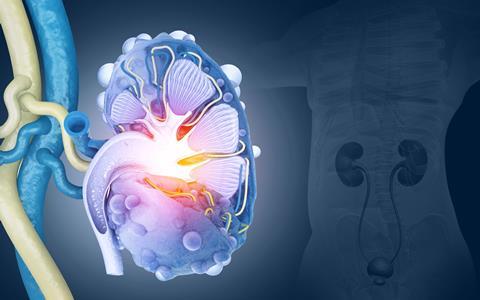
Researchers at Mayo Clinic have identified a previously unknown mechanism used by the kidneys to regulate water balance, which could lead to improved treatments for polycystic kidney disease (PKD) and other disorders.
The study, led by Dr Fouad Chebib, a nephrologist at Mayo Clinic, has been published in the Journal of Clinical Investigation and expands scientific understanding of how the body prevents dehydration.
For decades, researchers thought that the kidney’s ability to concentrate urine depended primarily on the hormone vasopressin. However, Dr Chebib and his team have identified an alternative pathway that allows the kidneys to retain water independently of the hormone.
“The kidney’s ability to regulate water is one of the most fundamental processes in the body,” Dr Chebib says. “It’s not every day that you uncover a new way it carries out that function.”
Potential impact on treatment
The only approved treatment for PKD, tolvaptan, works by blocking vasopressin to slow cyst growth. However, the treatment often causes patients to produce large volumes of urine, commonly between six and seven litres per day.
To investigate how kidney cysts develop in polycystic kidney disease (PKD), researchers used laboratory-grown cell models to test several compounds they believed would accelerate cyst growth by increasing cellular signals associated with the disease. Among them was probenecid, a drug originally introduced in the 1940s to help conserve penicillin supplies by reducing its excretion in urine.
The only approved treatment for PKD, tolvaptan, works by blocking vasopressin to slow cyst growt
Rather than promoting cyst growth, probenecid slowed it, prompting researchers to repeat the experiments several times to confirm the findings. Further analysis revealed that the drug alters how kidney cells process urate, a molecule best known for its role in gout. The team then saw that urate acts as an internal signal, triggering a process that moves water channels to the cell surface, allowing the kidneys to reabsorb water and concentrate urine without relying on vasopressin.
Clinical outcome
Following the encouragement from the preclinical studies, a small clinical trial was conducted which found that adding probenecid reduced urine output and night-time urination while maintaining the effectiveness of treatment.
Patients experienced an average reduction in urine volume of around 30 percent and typically went from waking several times each night to urinate to around once per night. Many also reported improvements in quality of life.
Patients experienced an average reduction in urine volume of around 30 percent
“The goal is to preserve the therapeutic benefit of tolvaptan while reducing its burden,” Dr Chebib says.
Looking to the future
Despite the encouraging results, researchers do not see probenecid itself as a long-term solution because the drug affects multiple systems in the body and is no longer widely available.
Instead, the team hopes to use the discovery to develop more targeted therapies.
“Probenecid helped us uncover the mechanism,” said Dr Chebib. “Our goal is to take this insight and develop therapies designed specifically for this pathway.”




No comments yet