



All Machine Learning (ML) articles – Page 2
-
 News
NewsOutSee wins Longitude Prize award for ALS target discovery
OutSee has secured a Discovery Award from the Longitude Prize on ALS, providing £100,000 in funding and access to genomic data from 9,000 patients. The company will deploy its AI-driven Nomaly platform to identify novel therapeutic targets for amyotrophic lateral sclerosis over a nine-month research programme.
-
 News
NewsAI-designed viral vectors achieve 50-fold brain enrichment over AAV9
WhiteLab Genomics has presented preclinical data showing that viral vectors designed using artificial intelligence achieved approximately 50-fold higher DNA enrichment in the brain compared to AAV9, with no detectable liver signal following intravenous administration in mice.
-
 News
NewsAI system transforms weak antibiotics into powerful treatments
University of Pennsylvania researchers have developed ApexGO, an AI system that refines imperfect antibiotic candidates through calculated modifications rather than database screening.
-
 News
NewsAI system reduces animal testing in drug discovery by 50 percent
German researchers have developed genESOM, a generative AI system that could reduce animal numbers in preclinical drug testing by 30 to 50 percent.
-
 News
NewsNew framework evaluates AI reliability in immune system prediction
Researchers at the University of South Florida have developed a comprehensive framework to test how accurately AI systems can predict immune responses, addressing critical questions about the reliability of computational tools in drug discovery.
-
 News
NewsMachine learning identifies five distinct Parkinson’s disease subtypes
A new study from VIB and KU Leuven has revealed that Parkinson’s disease comprises five distinct molecular subtypes, each requiring tailored therapeutic approaches.
-
 Article
The scale divide: competing strategies in AI drug discovery
Two approaches to AI in preclinical drug discovery are diverging, from multi-thousand GPU systems to models with only a handful of parameters, with early results raising questions about which will deliver.
-
 Article
From leaderboards to lab notebooks: AI designs reach preclinical testing
For years, AI drug discovery has been judged on benchmark performance. Now, a set of studies shows what happens when those designs are made and tested in preclinical settings.
-
 Article
The future of academic core labs: scaling operational excellence without increasing staff
The grounds have shifted the foundations of academic core facilities and the current climate demands their strategic agility in order to thrive. Boyd Butler at Molecular Devices reveals how these labs can capitalise on this opportunity to increase value and efficiency.
-
 Article
Beyond serendipity: rational design and AI’s expansion of the undruggable target landscape
For decades, drugging the ‘undruggable’ was thought to require luck rather than logic. Today, AI is transforming serendipity into strategy by enabling rational, data-driven approaches to previously inaccessible targets.
-
 Article
Operational data: the hidden driver of faster drug discovery
The key to faster, smarter drug discovery lies in data that’s often overlooked. By exposing hidden delays and inefficiencies, this data enables teams to shorten discovery cycles and progress promising candidates faster.
-
 Interview
From scientist to bioinformatician: how AI coding tools dissolved the activation energy barrier
A biotech CEO with decades of scientific experience but sporadic coding practice gained practical bioinformatics capabilities in six weeks using AI coding assistants.
-
 News
NewsNew AI-designed T-cell engager LGTX-101 to be presented at AACR in San Diego
LabGenius Therapeutics will present preclinical data for LGTX-101, its AI-designed Nectin-4 x CD3 T-cell engager, at AACR 2026 in San Diego.
-
 News
NewsELRIG announces keynote speakers for Advances in Cell-based Screening 2026 in Gothenburg
ELRIG has announced the keynote speakers for its 2026 Advances in Cell-based Screening conference in Gothenburg, where scientists will gather to explore how human-first models, advanced cell biology and AI are changing the future of drug discovery.
-
 News
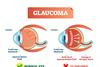
NewsNew target found for glaucoma treatment
Scientists have discovered that specialised immune cells in the eye help keep its drainage system clear and regulate pressure, which could inform new treatments for glaucoma.
-
 News
NewsNew AI tool could accelerate drug discovery and cut lab costs
Scientists have developed a machine learning system that can predict how complex chemical reactions will produce the correct molecular form for medicines.
-
 Interview
How self-driving labs are changing drug development
Automation and artificial intelligence are changing how scientists design, test and refine new molecules. At the University of Toronto, Stuart R Green and the Acceleration Consortium are building a self-driving lab that could change the pace of early drug discovery.
-
 Article
International Women’s Day: digital pathology in early drug discovery
For International Women’s Day, Dr Amanda Hemmerich, Global Director of Digital Pathology & Innovation at IQVIA Laboratories, describes how digital pathology is being applied in early drug development and what it takes to build credibility in a multidisciplinary technical field.
-
 Article
Why most labs are not ready for AI: Cenevo shares what must change
Most labs want to use AI, but few have the digital foundations to support it. Cenevo’s leaders explain why progress is slow and what laboratories must fix before AI can deliver real value.
-
 Article
Making immunotherapy safer and more accessible through continuous digital monitoring
Immunotherapies such as CAR-T are extending survival, yet reliance on inpatient monitoring for cytokine release syndrome continues to restrict access. This article explores how continuous digital monitoring and AI-driven analysis could enable safer outpatient delivery and support more scalable immunotherapy adoption.