



All Molecular Targets articles – Page 2
-
 News
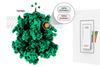
NewsTRPM5 protein switch discovery could lead to new diabetes drugs
Northwestern University scientists have discovered a hidden ‘control switch’ in the TRPM5 protein, which helps regulate taste, blood sugar and gut health and could lead to new therapies for targeting diabetes and obesity.
-
 News
NewsScientists discover potential therapy for pancreatic cancer-induced cachexia
University of Houston researchers have identified a key cellular pathway involved in muscle wasting caused by pancreatic cancer, offering new insights into potential therapies.
-
 News
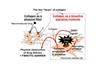
NewsInhibiting DDR1 pathway helps breach pancreatic cancer’s drug barrier
Scientists in Japan have identified a way to weaken the dense fibrotic barrier that prevents drugs from penetrating pancreatic tumours – a promising new strategy that could improve treatment for pancreatic cancer.
-
 Article
Protein folding interference: a new path to hard-to-drug targets
Protein folding interference offers access to targets long considered unreachable by traditional drug discovery. By acting on transient folding intermediates, this approach presents a new opportunity to eliminate disease-driving proteins.
-
 Article
Logic-gated DARPins show targeted T-cell activation in tumours
What if a T-cell therapy could activate only inside a tumour? New preclinical data on Molecular Partners’ Switch-DARPin suggest it may do just that.
-
 News
NewsMYC inhibitor Omomyc boosts PARP drug response in breast cancer
A preclinical study led by VHIO reveals that the MYC inhibitor Omomyc enhances the effectiveness of PARP inhibitors, offering a potential new treatment strategy for patients with drug-resistant triple-negative breast cancer.
-
 News
NewsResearchers identify new drug site on epilepsy target SV2A
A team led by St. Jude Children’s Research Hospital and UT Southwestern has mapped how key anti-epilepsy drugs latch onto their neural target, SV2A.
-
 News
NewsKidney fibrosis linked to overactive Hippo signalling pathway
Scientists have used human stem cell–derived kidney organoids to uncover how abnormal Hippo signalling drives scarring in nephronophthisis, a rare genetic kidney disease.
-
 News
NewsKinase inhibitors shown to accelerate protein breakdown
A new study has revealed that many kinase inhibitors – key drugs used in cancer and other diseases – also trigger the accelerated degradation of their target proteins, which could inform future therapies.
-
 News
NewsTargeting p300 may boost immunotherapy in kidney cancer
Researchers have discovered how renal medullary carcinoma cells evade immunotherapy by mimicking immune cells, driving rapid tumour progression.
-
 News
NewsSamsung invests in Phrontline to advance next-gen ADC therapies
Samsung Life Science Fund has made a strategic equity investment in clinical-stage biotechnology company Phrontline Biopharma, supporting the development of next-generation antibody-drug conjugates (ADCs).
-
 News
NewsOral arginine reduces harmful amyloid in Alzheimer’s models
A naturally occurring amino acid commonly found in supplements has reduced harmful amyloid build-up and eased symptoms in animal models of Alzheimer’s disease.
-
 News
NewsDeepTarget tool helps identify secondary cancer drug targets
A new computational tool, DeepTarget, is demonstrating context-specific targets and repurposing opportunities, showing that what may be a side effect in one patient could serve as a treatment in another.
-
 News
NewsTRβ receptor could be key to slowing prostate cancer
A thyroid hormone receptor may play a key role in prostate cancer growth, offering a potential new target for treating aggressive forms of the disease.
-
 News
NewsOveractive neurons linked to schizophrenia-like behaviour
Scientists have identified an overactive brain cell type linked to schizophrenia-like symptoms in mice – a discovery that could lead to new, targeted treatments to prevent cognitive impairments.
-
 News
NewsPulmonary fibrosis: new drug slows and reverses lung scarring
Researchers have identified a key cellular mechanism that drives pulmonary fibrosis and successfully blocked it in mice, reducing lung scarring.
-
 Article
From lab to clinic: the rise of Radio-DARPins in oncology
As radioligand therapy continues to show promise, its application in solid tumours remains limited by long-standing biological challenges. In this interview, Julien Torgue, CSO at Orano Med, discusses a new collaborative platform – Radio-DARPins – and how it could help overcome key barriers to clinical progress.
-
News
New class of chiral molecules offers strong stability for drug development
Scientists have created a new class of ultra-stable chiral molecules – a discovery that could lead to more precise drug design by preventing potentially harmful molecular “flipping” over time
-
 News
NewsTargeting MAPK and PI3K/mTOR pathways halts ovarian cancer growth
A new preclinical study has combined two experimental drugs that effectively block ovarian tumour growth – a strategy that could lead to new treatments against this genetically complex cancer.
-
 News
NewsMitochondria: melanoma’s hidden vulnerability
Scientists at Lund University have shown that aggressive melanoma tumours are driven by overactive mitochondrial processes – revealing a potential treatment strategy using drugs already approved for other conditions.
- Previous Page
- Page1
- Page2
- Page3
- Next Page