



All Molecular Targets articles
-
 News
NewsOestrogen receptor alpha identified as right ventricle protector in pulmonary hypertension
Scientists at National Jewish Health have identified oestrogen receptor alpha as a potential therapeutic target for preserving right ventricular function in pulmonary hypertension.
-
 News
NewsSolute carrier transporters open new frontier in neurological drug discovery
A comprehensive review of solute carrier transporters argues that the 464-strong SLC protein family represents a largely unexplored opportunity for developing treatments across a range of neurological and psychiatric conditions, from epilepsy and autism to Alzheimer’s disease.
-
 News
NewsMulti-target screening refines ADC development for cervical cancer
A large-scale transcriptomic study has pinpointed distinct cell-surface targets for antibody-drug conjugate development across cervical cancer subtypes, revealing how tissue-of-origin comparisons and subpopulation analysis can uncover targets missed by conventional screening approaches.
-
 Article
Why intracellular targets remain a major drug discovery challenge – and how they’re becoming druggable
Many biologically important intracellular targets remain difficult to drug. Dr Rab Prinjha examines how screening within living cells could help tackle them.
-
 News
NewsTargeting the roots of head and neck cancer: Why MDA-9 matters
A small molecule inhibitor developed at Virginia Commonwealth University has demonstrated the ability to eliminate cancer stem cells and reverse cisplatin resistance in preclinical models of head and neck squamous cell carcinoma, offering a potential new strategy to address one of oncology’s most persistent clinical challenges.
-
 News
NewsFullscope-seq maps transcript isoforms with spatial single-cell resolution
Researchers have developed Fullscope-seq, a long-read spatial transcriptomics platform that maps alternative transcript isoforms within intact tissues at single-cell resolution – opening new possibilities for target identification and precision biomarker discovery.
-
 News
NewsNew study indentifies Golgi apparatus proteins as cancer growth drivers
Researchers at the Harrington Discovery Institute have identified cellular mechanisms involving Golgi apparatus proteins that drive cancer progression by trafficking growth factor receptors to cell surfaces.
-
 News
NewsRAGE receptor identified as key driver of age-related metastasis
Georgetown Lombardi researchers have identified RAGE, an inflammatory receptor, as a key mediator of age-related breast cancer metastasis.
-
 News
NewsMolecular switch discovery could lead to new bone disease treatments
A molecular switch that activates an alternative energy-burning pathway in brown fat has been identified by McGill University researchers, offering potential new approaches to treating bone disease and metabolic disorders through the TNAP enzyme’s glycerol pocket.
-
 News
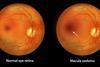
NewsBispecific antibody targets Wnt co-receptors for diabetic macular oedema treatment
Preclinical data presented at ARVO 2026 demonstrate therapeutic potential of targeting Gpr124 and Lrp6 Wnt co-receptors to restore blood-retina barrier integrity in diabetic macular oedema and wet age-related macular degeneration, with trispecific candidate NVQ501 advancing towards IND-enabling studies.
-
 News
NewsNew approach targets ‘undruggable’ proteins in prostate cancer
A novel drug design strategy has achieved binding strengths up to a million times greater than previous approaches against intrinsically disordered proteins, potentially leading to new treatments for prostate cancer and other diseases involving these historically intractable targets.
-
 News
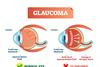
NewsNew target found for glaucoma treatment
Scientists have discovered that specialised immune cells in the eye help keep its drainage system clear and regulate pressure, which could inform new treatments for glaucoma.
-
 News
NewsNew molecular pathway links liver congestion to fibrosis
Japanese researchers have identified a molecular pathway linking chronic liver congestion to fibrosis and tumour formation, offering a potential new target for therapies to prevent serious liver disease.
-
 News
News$3.2m project targets aggressive MDM2 in breast cancer
A University of Houston scientist has joined a $3.2 million research collaboration to develop a new drug targeting one of the key drivers of triple-negative breast cancer.
-
 News
NewsInsilico and MSK partner on AI research for gastroesophageal cancer
A new research collaboration between Insilico Medicine and Memorial Sloan Kettering Cancer Center aims to harness generative AI technology to identify novel therapeutic targets for gastroesophageal cancers.
-
 News
NewsNew SerpinB2 immune cell discovery could reverse Type 2 diabetes
Researchers at the University of Pittsburgh School of Medicine have developed a new approach for tackling insulin resistance and type 2 diabetes by protecting beneficial immune cells in fat tissue.
-
 News
NewsHDAC11 protein identified as potential target for Duchenne muscular dystrophy
A new preclinical study has shown that reducing the protein HDAC11 could slow muscle degeneration in Duchenne muscular dystrophy, providing a potential target for future therapies.
-
 News
NewsNew dual CDK approach tackles drug-resistant breast cancer
A new preclinical study suggests that combining next-generation CDK2 inhibitors with existing CDK4/6 therapies could overcome drug resistance in breast cancer, delivering durable tumour control across multiple subtypes.
-
 News
NewsNew Type 2 diabetes drugs may improve insulin sensitivity
Scientists have used advanced computer modelling and lab techniques to design potential new diabetes drugs that improve insulin sensitivity.
-
 News
NewsPitavastatin identified as potential treatment for triple-negative breast cancer
A commonly prescribed cholesterol-lowering drug, called pitavastatin, could be used to treat patients with triple-negative breast cancer, after researchers found that it has the ability to block a key cancer survival protein.