Japanese researchers have identified a molecular pathway linking chronic liver congestion to fibrosis and tumour formation, offering a potential new target for therapies to prevent serious liver disease.
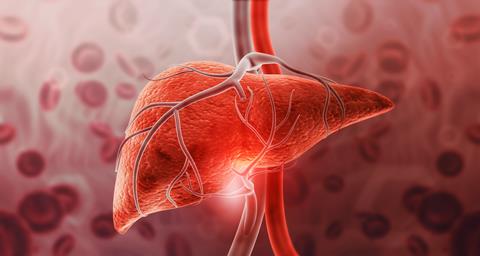
Chronic liver congestion, the long-term stasis of blood in the liver, can lead to a range of diseases, some of which are fatal. However, the mechanisms by which liver congestion triggers these conditions are unclear, making it difficult to propose effective treatment strategies.
A recent study from the University of Osaka has now discovered a molecular pathway connecting liver congestion to liver fibrosis, portal hypertension and liver tumour development. The findings of this study could help to inform new potential therapies.
Understanding chronic liver congestion
Chronic liver congestion, also known as congestive hepatopathy, often progresses to liver fibrosis, cirrhosis and even liver cancer. While these associations have been well documented in medical literature, the specific molecular mechanisms linking congestion to fibrosis have remained largely unknown.
Chronic liver congestion, also known as congestive hepatopathy, often progresses to liver fibrosis, cirrhosis and even liver cancer.
To investigate, the researchers focused on identifying potential therapeutic targets that could prevent congestion from progressing into more severe liver disease.
“We focused on a type of liver cell called liver sinusoidal endothelial cells, or LSECs, which form the inner lining of the tiny blood vessels inside the liver and are directly affected when blood flow is blocked or slowed, such as during liver congestion,” said lead author Seiya Kato. “We used state-of-the-art techniques – single-cell and spatial transcriptomics, which allow us to analyse gene activity in individual cells and their locations within tissues – to study liver samples from a mouse model of congestion and from patients with conditions such as Fontan-associated liver disease. This helped us to uncover how liver congestion triggers changes at the molecular level.”
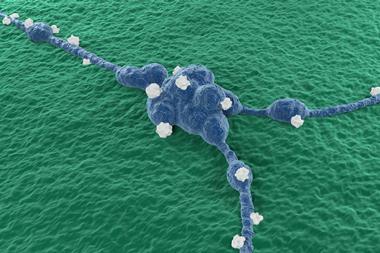
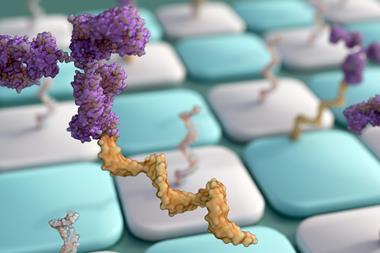
 Mechanical responses of liver sinusoidal endothelial cells to hepatic congestion. Credit: Seiyo Kato.[/caption]
 Key molecules identified
The analyses revealed increased activity of two molecules involved in cell signalling within LSECs: Yes-associated protein (YAP) and connective tissue growth factor (CTGF). The team also observed activation of the integrin pathway in the mouse model of liver congestion.
Using LSECs grown in the laboratory, the researchers showed that increased hydrostatic pressure, similar to that occurring during chronic liver congestion, activates YAP through integrin αV, which in turn upregulates CTGF. Inhibiting integrin αV or knocking out CTGF in LSECs improved outcomes in the mouse model, suggesting a potential therapeutic route.
Relevance to human disease
The research team then examined liver samples from patients with chronic liver congestion. Single-cell and spatial transcriptomic analyses revealed the same pattern observed in mice: YAP activation in LSECs leading to increased CTGF levels. These changes are believed to contribute directly to disease progression.
“Overall, we discovered that a signalling pathway – the integrin αV–YAP–CTGF pathway – in specialised liver blood vessel cells appears to connect liver congestion to fibrosis,” said Hayato Hikita, senior author of the study. “This newly identified pathway could offer a new direction for treatment.”
Implications for therapy
Chronic liver congestion can lead to serious conditions such as liver fibrosis, portal hypertension and liver cancer. It is also particularly relevant for people with congenital heart disease who have undergone the Fontan procedure, as they are at risk of congestion-related liver damage.
The Osaka team's discovery could lead to targeted therapies that slow or prevent the progression of liver disease in at-risk patients.
Moreover, the elevated pressure in the liver’s tiny blood vessels that occurs during chronic congestion also occurs in liver cirrhosis. This means that the discoveries in this study could inform the development of new treatments not only for patients with congestion-related liver disease but also for those with liver cirrhosis caused by other conditions.
By discovering a precise molecular pathway linking congestion to fibrosis, the Osaka team's discovery could lead to targeted therapies that slow or prevent the progression of liver disease in at-risk patients.