



News – Page 12
-
 News
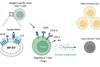
NewsEngineered extracellular vesicles control immune responses
Researchers have engineered new extracellular vesicles that can selectively induce antigen-specific regulatory T cells, possibly leading towards safer, more precise treatments for autoimmune and allergic diseases.
-
 News
NewsNew research aims to make FDA-approved drugs safer for the brain
Life-saving HIV and cancer drugs can carry serious neurological risks, and new funding will help UMBC researchers discover how these medicines damage the brain – which could help to inform safer treatments.
-
 News
NewsNew study identifies genetic weakness in deadly Candida auris fungus
Scientists at the University of Exeter have discovered a genetic process in the deadly hospital fungus Candida auris, which could help to develop new treatments.
-
 News
NewsExperimental drug NU-9 reduces toxic amyloid in early Alzheimer’s
A recently developed experimental drug, called NU-9, has shown promise in targeting a toxic form of amyloid beta – halting Alzheimer’s disease before symptoms appear.
-
 News
NewsTiny RNA molecule helps viruses hijack bacterial cells
Scientists have discovered a hidden RNA ‘switch’ used by bacteriophages to hijack bacterial cells, revealing a new layer of viral control that could help advance phage therapy and efforts to combat antibiotic-resistant infections.
-
 News
NewsNew method preserves iPS cells for regenerative medicine
Kobe University researchers have developed a new way of freeze induced pluripotent stem cells (iPS cells) directly in their culture dishes without losing viability or pluripotency.
-
 News
NewsUltra-stable hydrogel boosts gastrointestinal wound repair
PolyU researchers have developed a new acid-resistant hydrogel inspired by natural gastric mucus that adheres far better than current treatments.
-
 News
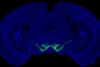
NewsParkinson’s: new study rethinks dopamine’s role in movement
A new study is challenging long-held beliefs about dopamine’s role in movement, revealing new insights into how Parkinson’s disease treatments work and pointing towards more targeted future therapies.
-
 News
NewsScientists discover potential therapy for pancreatic cancer-induced cachexia
University of Houston researchers have identified a key cellular pathway involved in muscle wasting caused by pancreatic cancer, offering new insights into potential therapies.
-
 News
NewsBrain drainage repair offers potential new prevention therapies for Alzheimer’s
UVA researchers have discovered a potential treatment approach that restores the brain’s natural drainage system, offering hope for preventing traumatic brain injury-related neurodegeneration.
-
 News
NewsHydrogel tech enables global shipping of organoid models
A partnership between Atelerix and Cherry Biotech is enabling the shipping of complex biological models worldwide, using hydrogel preservation technology to eliminate cold-chain logistics.
-
 News
NewsNew AI model links genetic mutations to specific diseases
Scientists have developed a new artificial intelligence tool that can identify harmful genetic mutations and predict the types of diseases they are likely to cause, offering faster diagnosis and new opportunities for drug discovery.
-
 News
NewsCBD and THC show anti-cancer effects against ovarian tumours
New research suggests cannabis compounds CBD and THC could offer a new approach to treating ovarian cancer.
-
 News
NewsFertility gene PRDM9 linked to relapse in glioblastoma
A study by University of Sydney scientists has discovered why patients with glioblastoma often relapse, identifying a hidden population of cancer cells that hijack a fertility gene to survive chemotherapy.
-
 News
NewsAI-powered CKD drug ISM4808 licensed for kidney disease therapy
Insilico Medicine has partnered with TaiGen Biotechnology to exclusively license its AI-designed PHD inhibitor, ISM4808, for the treatment of CKD-related anaemia in Greater China.
-
 News
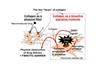
NewsInhibiting DDR1 pathway helps breach pancreatic cancer’s drug barrier
Scientists in Japan have identified a way to weaken the dense fibrotic barrier that prevents drugs from penetrating pancreatic tumours – a promising new strategy that could improve treatment for pancreatic cancer.
-
 News
NewsNew Spheromatrix platform speeds up cancer drug research
Researchers at NYU Abu Dhabi have developed a cheap, paper-based platform that allows tumour models to be grown, frozen and stored for future cancer drug testing – called Spheromatrix.
-
 News
NewsPlatelet-inspired nanoparticles could improve treatment of inflammatory diseases
Scientists have developed platelet-inspired nanoparticles that deliver anti-inflammatory drugs directly to brain-computer interface implants, doubling their effectiveness.
-
 News
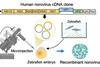
NewsNew reverse genetic system accelerates norovirus vaccine research
Researchers at The University of Osaka have developed a new system to study human norovirus, with the hope of being able to develop vaccines and antiviral treatments faster.
-
 News
NewsNew beta lab platform to streamline early-stage research
UK life science software company Lab Thread has launched the beta of its unified lab platform, designed to streamline research workflows.