
Scientists have developed an ingestible, light-emitting capsule that can detect life-threatening intestinal blood flow problems in their earliest stages. The device could offer doctors a faster and less invasive way to diagnose acute mesenteric ischaemia.

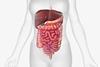
Researchers at Mass General Brigham and the Massachusetts Institute of Technology (MIT) have developed and validated an ingestible capsule that allows for the early diagnosis of acute mesenteric ischaemia – a rare but deadly condition caused by reduced blood flow to the intestines.
A rare but often fatal emergency
Although acute mesenteric ischaemia accounts for fewer than 1.5 percent of hospital visits for abdominal pain, it carries a mortality rate of around 55 percent, mainly because it is so difficult to detect in its early stages.
Although acute mesenteric ischaemia accounts for fewer than 1.5 percent of hospital visits for abdominal pain, it carries a mortality rate of around 55 percent.
“Acute mesenteric ischemia is a potentially deadly but often underdiagnosed condition. Its early symptoms can resemble common gastrointestinal problems, and current diagnostic tools such as imaging tests are invasive, costly, and often too slow to enable timely treatment,” said senior author Dr Giovanni Traverso, MB, BChir, MBBCH, a gastroenterologist in the Division of Gastroenterology, Hepatology and Endoscopy at Mass General Brigham. “We aimed to create a faster, safer, and more accessible way to detect this condition before permanent intestinal damage occurs.”
Firefly-inspired diagnostic technology
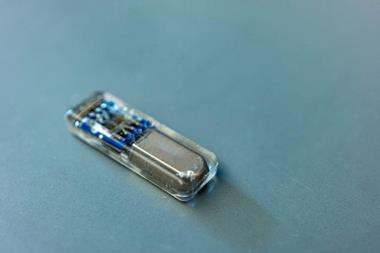
The study presents the battery-powered capsule, known as FIREFLI – short for Finding Ischemia via Reflectance of Light – which was inspired by the firefly's ability to emit light through a pH-sensitive enzyme called luciferase.
Oxygen-deprived, or ischaemic, tissue reflects significantly less light than healthy tissue.
Once swallowed, FIREFLI is activated by the small intestine’s pH. It emits light that illuminates the surrounding tissue; oxygen-deprived, or ischaemic, tissue reflects significantly less light than healthy tissue. The capsule then transmits these data wirelessly to an external mobile device, potentially allowing clinicians to diagnose the condition quickly and non-invasively.
Promising results in preclinical testing
In studies involving nine pigs, FIREFLI accurately identified acute mesenteric ischaemia 90 percent of the time. It demonstrated 98 percent sensitivity, meaning it was highly effective at correctly detecting the condition, but 85 percent specificity, resulting in a small number of false positives.
In studies involving nine pigs, FIREFLI accurately identified acute mesenteric ischaemia 90 percent of the time.
“This work brings together engineering, biology, and medicine to make an invisible medical emergency detectable quickly and noninvasively,” said Traverso. “The approach could enable faster triage in emergency departments, reduce unnecessary invasive testing in patients whose abdominal symptoms are not caused by ischemia, expand access to diagnostic care in clinics that lack advanced imaging technology, and lay the groundwork for future ‘smart’ capsules that combine sensing, wireless communication, and even targeted therapy delivery.”
Looking ahead
The researchers hope that further development and clinical trials will lead to FIREFLI being used in hospitals and clinics, potentially changing the way acute mesenteric ischaemia – and other internal conditions – are detected and treated.
Topics
- Acute Mesenteric Ischaemia
- Biotechnology & Bioengineering
- Companies
- Disease Research
- Dr Giovanni Traverso (Gastroenterologist at Mass General Brigham)
- Drug Delivery
- High-Throughput Screening (HTS)
- Imaging & Diagnostics
- In Vivo Testing
- Mass General Brigham
- Massachuseetts Institute of Technology (MIT)
- Robotics
- Technology
- Translational Science