A new study has found that GLP-1 weight loss drugs do not increase the risk of pancreatitis or heart problems in patients with high triglycerides – and may even help protect against the condition.

A new study from Intermountain Health in Salt Lake City has found that popular weight loss drugs do not increase the risk of pancreatitis or serious heart events in patients with high triglyceride levels – a group that was traditionally thought to be at a heightened risk.
Since the first GLP-1 receptor agonists (GLP1RAs), more widely recognised today as weight loss medications, were approved in 2005, clinicians have been cautious about prescribing them to people with very high triglycerides. This stems from the drugs’ interaction with the pancreas and the established link between high triglyceride levels and pancreatitis.
However, the new findings from Intermountain Health suggest that these concerns may be unwarranted. The study shows that GLP1RAs not only fail to increase the risk of pancreatitis but may help protect against it.
Researchers say the findings could also help guide the development of future weight loss and metabolic drugs, offering a safer and more effective path for patients with complex lipid conditions.
The research was presented at the American Heart Association Scientific Sessions 2025 in New Orleans.
Lower risk for patients who have never had pancreatitis
Researchers found that among patients who had never experienced pancreatitis, those taking GLP1RA medications were four times less likely to develop the condition compared with those who were not prescribed the drugs.
Pancreatitis is incredibly painful and can be deadly.
“Pancreatitis is incredibly painful and can be deadly. Once you have a patient with acute pancreatitis you want no part of causing it again,” said Leslie Iverson, PA-C, cardiovascular prevention and research clinician at Intermountain Health. “But these findings show no link between pancreatitis and patients with high triglycerides taking a weight loss drug. Even better, we found that these drugs may offer protection against ever having it in the first place.”
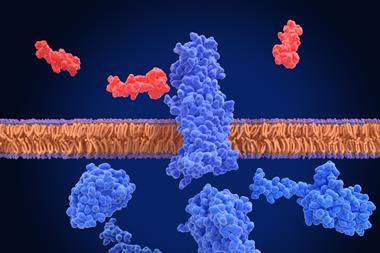
 In a major new study, researchers from Intermountain Health in Salt Lake City have found that weight loss drugs used by patients who have high triglycerides do not increase their risk of pancreatitis or adverse cardiac events. Credit: Intermountain Health[/caption]
 Comprehensive review of nearly 350,000 patients
The Intermountain researchers reviewed electronic health records of patients treated between January 2006 and April 2025. The study included adults aged 18 and older with Type 2 diabetes and/or a body mass index (BMI) above 27.
A key focus of the study was severe hypertriglyceridaemia (HTG), defined as a triglyceride level exceeding 500 milligrams per decilitre – a condition strongly associated with pancreatitis.
The researchers found no evidence of increased pancreatitis risk among those taking the drugs, even in patients with severe HTG.
Out of 346,667 patients reviewed, 3,834 (around 1.1 percent) had been prescribed a GLP1RA medication. The researchers found no evidence of increased pancreatitis risk among those taking the drugs, even in patients with severe HTG.
Notably, patients with HTG who had never experienced pancreatitis before were found to have a four-fold lower risk of developing it when prescribed a GLP1RA.
Expanding safe treatment options
“Our findings show that HTG is not a reason to withhold this class of medication from appropriate patients, if they would benefit otherwise,” said Iverson. “This is an important finding that helps enhance our treatment options.”
Our findings show that HTG is not a reason to withhold this class of medication from appropriate patients, if they would benefit otherwise.
Iverson added that clinicians are also seeing improvements in triglyceride levels among patients using GLP1RA medications. “This makes sense,” she explained, “as GLP1RAs address issues like diabetes and obesity that can raise triglyceride levels.”
The study’s results offer reassurance for healthcare providers and patients alike, suggesting that GLP1RAs may not only be safe for those with high triglycerides but could also provide additional protective benefits for long-term metabolic and pancreatic health.