



Yale University researchers have created a behavioural drug screening database using zebrafish models to identify FDA-approved compounds that reverse disrupted behaviours linked to autism risk genes.
Zebrafish are very valuable model organisms in scientific research, helping scientists discover new insights into diseases ranging from muscular dystrophy to melanoma. Now researchers at Yale University are turning to these fish in the search for new treatments for autism spectrum disorder.
In a new study, scientists created a database of 520 US Food and Drug Administration approved drugs and analysed their effects on basic behaviours in larval zebrafish. The team then used this resource to identify drug candidates capable of reversing disrupted behaviours in zebrafish carrying mutations linked to autism risk genes.
The findings suggest that some of these drugs could potentially be targeted towards individuals with specific genetic forms of autism.
Tackling complexity in autism research
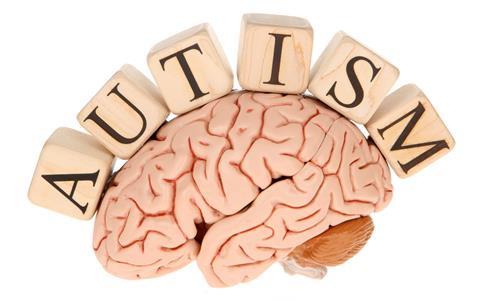
Autism spectrum disorder is complex, both clinically and genetically. Researchers have identified more than 100 genes strongly associated with the condition, many of which influence key biological processes in the developing brain, including neuronal communication and gene regulation.
Autism spectrum disorder is complex, both clinically and genetically
This diversity has made it difficult to identify effective treatments.
“Because autism spectrum disorder is highly clinically and genetically heterogeneous, it is challenging to identify drug candidates and many new drugs under investigation are not effective in clinical trials,” said Ellen Hoffman, Associate Professor at the Yale Child Study Center and a senior author of the study. “Our study highlights the importance of stratifying or subgrouping autism risk genes to identify potential drug candidates using a precision medicine-based approach.”
Why zebrafish?
Zebrafish offer several advantages for this type of research. They share significant genetic similarities with humans and are easy to manipulate genetically, allowing researchers to disrupt multiple autism risk genes at once. They also produce large numbers of offspring and their larvae are well suited to laboratory studies, making them ideal for large-scale drug screening.
Building on previous work examining how disruptions in 10 autism-related genes affect sleep and sensory behaviours in zebrafish, the team used these behavioural patterns as ’fingerprints’ to test drugs that might reverse these effects.
Key discoveries
The researchers first screened 774 FDA-approved drugs in zebrafish without mutations, ultimately identifying 520 that were non-toxic and had measurable behavioural effects. They then compared these drug profiles with the behavioural signatures of zebrafish carrying mutations in two autism risk genes, SCN2A and DYRK1A.
This approach led to three major findings.
First the team identified several drug candidates capable of rescuing disrupted sleep and sensory behaviours. These drugs pointed to biological pathways involving estrogens, microtubules, mitochondria and lipid metabolism.
The researchers first screened 774 FDA-approved drugs in zebrafish without mutations, ultimately identifying 520 that were non-toxic and had measurable behavioural effects
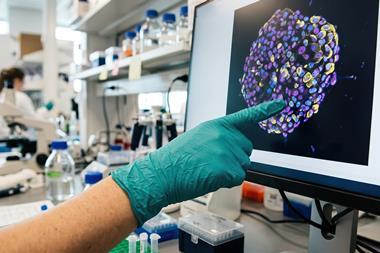
They then found that levocarnitine, a compound that helps transport fatty acids into mitochondria, showed strong potential. It improved behavioural abnormalities, corrected lipid metabolism issues and restored differences in brain activity in zebrafish. The compound also improved network activity in human stem cell-derived neurons carrying the same genetic mutations.
Finally the researchers developed a comprehensive database and an open-source searchable platform containing behavioural profiles of all 774 drugs tested. This resource is expected to support future drug discovery efforts across multiple research systems.
A foundation for precision medicine
“Our findings lay the groundwork for investigating these drug mechanisms as potential targets for individuals carrying mutations in select autism risk genes,” said Hoffman. “We can use our pharmaco-behavioral screening approach to identify new drug candidates for a growing number of autism risk genes.”
The study moves research efforts towards more personalised approaches to autism treatment, where therapies are tailored to specific genetic profiles rather than applied broadly across a highly diverse condition.
Topics
- autism spectrum disorder
- autism spectrum disorder (ASD)
- Biomarkers
- Drug Discovery
- drug repurposing
- Drug Repurposing
- drug screening
- DYRK1A gene
- FDA-approved drugs
- genetic mutations
- High-Throughput Screening
- High-Throughput Screening (HTS)
- In Vitro Testing
- neurodevelopmental disorders
- Precision Medicine
- precision medicine
- Yale University
- zebrafish model







No comments yet