



Researchers have developed an AI-driven drug discovery platform that models protein dynamics during molecular binding. The approach could potentially improve binding predictions and reduce the high failure rates associated with conventional drug development programmes.
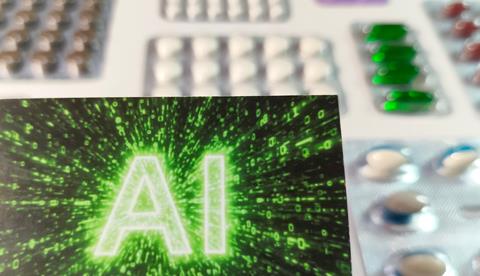
Scientists at the University of Virginia School of Medicine have developed a new artificial intelligence-driven approach to drug discovery that could increase the development of new medicines while improving their chances of success.
The research team, led by Professor Nikolay Dokholyan, has created a suite of tools designed to rethink how drugs are designed at the molecular level. The platform, comprising YuelDesign, YuelPocket and YuelBond, uses advanced AI techniques to better predict how drugs interact with proteins within the body.
A dynamic approach to molecular design
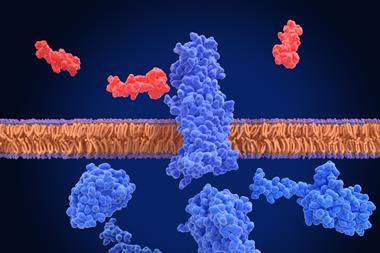
Key to the innovation is YuelDesign, which uses diffusion models, a cutting-edge form of artificial intelligence, to generate drug molecules tailored precisely to their protein targets. Unlike conventional methods, which treat proteins as rigid structures, the system accounts for the way proteins naturally flex and change shape during interactions.
Unlike conventional methods, which treat proteins as rigid structures, the system accounts for the way proteins naturally flex and change shape during interactions
Two supporting tools enhance this process. YuelPocket identifies the precise locations on proteins where drugs can bind, while YuelBond ensures the chemical structures of the designed molecules are accurate. Together, the tools could improve both the design of new drugs and the repurposing of existing ones.
“Think of it this way: Other methods try to design a key for a lock that’s sitting perfectly still, but in your body, that lock is constantly jiggling and changing shape,” said Professor Dokholyan. ”Our AI designs the key while the lock is moving, so the fit is much more realistic. This could make a real difference for patients with cancer, neurological disorders and many other conditions where we desperately need better drugs targeting these wiggly proteins but keep hitting dead ends.”
Addressing the high cost of failure
Drug development is an expensive and uncertain process, with costs often estimated to exceed billions of dollars and failure rates in human trials approaching 90 percent. A major challenge lies in predicting how drug molecules will bind to their targets. Even small mismatches can make treatments ineffective or lead to harmful side effects.
AI has already begun to streamline aspects of this process but the researchers say their approach is a significant development. By treating proteins as flexible rather than static, YuelDesign captures a critical biological phenomenon known as induced fit, where proteins change shape as a drug binds to them.
This allows the system to design both the protein binding site and the corresponding drug molecule simultaneously, enabling them to adapt to each other during development.
Enhancing precision with complementary tools
YuelPocket uses graph neural networks to pinpoint where drugs should attach to proteins, including those predicted using tools such as AlphaFold. This capability is considered essential for modern drug development.
YuelPocket uses graph neural networks to pinpoint where drugs should attach to proteins, including those predicted using tools such as AlphaFold
“Most existing AI tools treat the protein as a frozen statue but that’s not how biology works,” said Researcher Dr Jian Wang. ”Our approach lets the protein and the drug candidate evolve together during the design process, just as they would in the body. We showed, for example, that when designing molecules for a well known cancer-related protein called CDK2, only YuelDesign could capture the critical structural changes that happen when a drug binds.”
Aiming to democratise drug discovery
The researchers believe their approach could help reduce the cost of drug development, improve success rates and shorten the time needed to bring new treatments to patients. The work also aligns with the goals of the Paul and Diane Manning Institute of Biotechnology, which focuses on accelerating the translation of laboratory discoveries into clinical therapies.
“Our ultimate goal is to make drug discovery faster, cheaper and more likely to succeed so that promising treatments can reach patients sooner,” said Professor Dokholyan. ”We’ve made all of our tools freely available to the scientific community. We want researchers anywhere in the world to be able to use them to tackle the diseases that matter most to their patients.”


No comments yet