
T-cell engagers are a branch of immunotherapy that has undergone considerable change since their clinical inception. Andrew J Souers, VP, Oncology Discovery Research at AbbVie, elucidates the current understanding of their biology and expanding focus areas of application.

Over the past decade, T-cell engagers (TCEs) have rapidly evolved from early experimental concepts to clinically validated therapies, capable of driving deep and durable responses in patients with relapsed or refractory haematologic malignancies.[1] Their success has catalysed a renewed wave of innovation across industry and academia as researchers work to refine the modality’s therapeutic window, broaden its reach to solid tumours and engineer solutions to biological and clinical barriers that have emerged along the way.
With each new development, the TCE landscape becomes more dynamic, opening new avenues for advancement. Today, TCEs stand at a key inflection point. First-generation bispecific constructs have revealed the potential of redirecting a patient’s own T cells against cancer, while next-generation approaches – trispecifics, masked or tumour-activated designs and molecules with optimised affinity – are beginning to shape the future of redirected cellular immunity. As the field matures, focus has shifted from proving that redirected immunity can work to exploring how reliably, safely and broadly it can be deployed across cancer types.
A primer: what T-cell engagers are designed to do
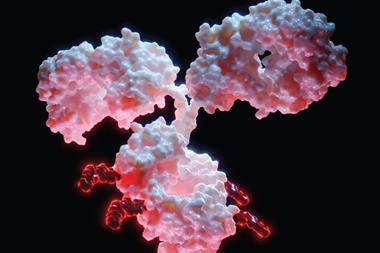
First-generation TCEs are engineered antibodies (or antibody-based frameworks) designed with two distinct binding domains: one that binds CD3 on T cells and one that binds a tumour antigen on malignant cells.[2] By physically bridging the two, these bispecific antibodies help form an immune synapse that activates and redirects T cells to kill tumour cells. This mechanism enables a rapid, potent immune response that is independent of a patient’s prior T-cell repertoire or checkpoint blockade status.
The impact of this approach has already proven to be transformative, particularly in multiple myeloma, where several bispecific agents targeting BCMA or GPRC5D (including teclistamab, elranatamab and linvoseltamab) have entered clinical practice.[3] These therapies validate redirected immunity as a therapeutic principle and underscore the potential for TCEs to effectively treat patients with a range of cancers and varying treatment histories.
Importantly, real-world experience has also illuminated key areas where the modality needs refinement – namely, managing cytokine release syndrome (CRS), reducing infection risk related to continuous exposure, preventing antigen escape and making treatment more accessible outside of specialised centres.[3]This acknowledgement has informed the engineering priorities now shaping the next generation of TCEs.
Scientific momentum: the shift towards next-generation formats and approaches
Recent scientific and clinical activity suggests that the field is quickly evolving beyond classical bispecific constructs, with numerous innovative themes emerging at the forefront:
- Trispecific and multispecific designs
The addition of a third binding domain – often another tumour antigen or a co-stimulatory element – can strengthen tumour recognition, address antigen escape or modulate T-cell activation.
Single-antigen targeting carries inherent risk, as tumours can downregulate or mutate the target antigen, leading to relapse. Multispecific formats help mitigate this by engaging multiple tumour-associated antigens simultaneously. Another challenge for T-cell engagers is poor T-cell fitness, wherein T cells can be engaged yet are too ‘exhausted’ to effectively kill tumours. One potential way to circumvent this challenge is by incorporating T-cell co-stimulatory signals that provide an additional activation boost.
Early programmes in development, such as trispecific BCMA×GPRC5D×CD3 constructs and emerging co-stimulation approaches (eg, EVOLVE104), illustrate how the field is working to deepen responses, slow resistance and expand the viable patient population.[4],[5]
- Tumour-activated or masked TCEs
To reduce systemic immune activation and CRS, scientists are advancing masked or conditionally-activated TCEs that are inert in circulation and only become active within the solid tumour microenvironment.[6]
These technologies generally rely on tumour-associated enzymatic activation or pH-sensitive conformational changes.
The goal is to widen the therapeutic window, enabling stronger potency at the tumour site while minimising systemic toxicity. This approach is particularly relevant for indications where CRS risk, off-tumour antigen expression, or high tumour burden previously made CD3-redirecting agents impractical.
- Optimising affinity, half-life and dosing
Engineering choices (epitope, affinity, Fc/half-life modifications) and clinical management options (eg, step-up dosing regimens) are being used to reduce CRS and enable outpatient administration where possible.[7],[8]
Regulatory approvals of bispecific myeloma drugs have already established practical pathways for safety monitoring, dosing adjustments and real-world implementation – knowledge that continues to inform next-generation engineering.[3],[9]
- The push into solid tumours
Despite biological barriers such as limited T-cell infiltration, immunosuppressive microenvironments and on-target/off-tumour toxicity risks, scientists have finally broken through in solid tumours with the first approval of a TCE to treat small cell lung cancer.[10] By deploying new engineering architectures, scientists are getting closer to unlocking TCEs for various additional solid tumours.
The barriers to TCE efficacy in solid tumours are poor penetration, immunosuppression, antigen diversity, the requirement for sophisticated engineering solutions and careful clinical evaluation.[10]
- Integrating TCEs within a broader treatment landscape
TCEs now coexist with CAR-T therapies, antibody–drug conjugates, small molecules and emerging immunotherapies. Determining optimal sequencing, combinations and patient selection strategies is central to maximising real-world benefit.
Spotlight on emerging approaches: how the field is evolving
To illustrate how next-generation strategies are being applied, several programmes across the industry serve as examples of the broader scientific movement:
- A BCMA×CD3 bispecific agent with fixed-duration potential and lower CRS propensity showcases efforts to improve tolerability while maintaining potency.[11] Such constructs reflect a broader trend towards simplified dosing, reduced hospitalisation requirements and predictable safety profiles.
- Multispecific CD3-redirecting TCEs demonstrate how engaging two tumour antigens simultaneously may deepen responses and address tumour heterogeneity – a recurring obstacle in myeloma and other malignancies.[12]
- Scientists are now developing TCEs that give T cells an extra activation boost by adding a T-cell co-stimulation arm. These treatments include an added ‘go’ signal called ‘signal 2’ that helps to wake up or strengthen T cells, which often become weak or ineffective inside tumours.
- Investigational tumour-activated or masked CD3 engagers highlight the growing emphasis on enhancing selectivity and safety, particularly for solid tumours or settings where systemic activation would be difficult to manage.
Looking ahead: what will define the next era of TCEs
The future of TCEs will be shaped not only by engineering ingenuity but by a deeper understanding of tumour biology, immunoregulation and treatment accessibility. The next chapter will likely be defined by these key themes:
- Broadening applicability into earlier lines of therapy, where TCEs may provide rapid disease control or serve as bridges to cellular therapies
- Expanding into solid tumours through improved tumour selectivity, safe yet effective T-cell co-stimulation and conditional activation
- Engineering for outpatient and community-setting feasibility, increasing access and reducing the logistical burden on patients
- Developing rational combinations with CAR T, immunomodulatory drugs, checkpoint blockade and targeted therapies to enhance potency and durability
- Addressing disparities in access, ensuring that complex regimens do not widen gaps in cancer care.
Ultimately, success will depend on translating scientific ambition into clinically meaningful outcomes – ie, durable responses, manageable safety, improved quality of life and real-world feasibility. Achieving this will require ongoing and robust cross-disciplinary collaboration with a consistent focus on practical and patient-centric solutions.
TCEs have already reshaped expectations for what redirected immunity can achieve. By harnessing the body’s own defence mechanisms and retargeting them towards malignant cells, TCEs are advancing solutions in clinical settings where traditional approaches have been unable to achieve desired results. As the field advances from bispecifics to multispecifics to more tumour-environment specific, tumour-selective designs, the next wave of innovation will determine how broadly – and how safely – this modality can transform cancer care for patients around the world.
Meet the author

Andy Souers, PhD, Vice President and Distinguished Research Fellow, Oncology Discovery Research, AbbVie
Dr Andrew Souers is Vice President and Global Head of Oncology Discovery Research at AbbVie where he leads a team focused on discovering novel approaches to treat cancer. Dr Souers has worked across various areas of cancer research and led teams that have delivered multiple advanced-stage clinical assets including the marketed drug venetoclax (VENCLEXTA).
Dr Souers has published over 80 peer-reviewed manuscripts and is a co-inventor on over 55 patents and patent applications. He was also named a Distinguished Research Fellow in 2020 for his contributions to science and drug discovery and earned a Ph.D. in Organic Chemistry from the University of California at Berkeley.
References
[1] Tapia-Galisteo A, Álvarez-Vallina L, Sanz L. Bi- and trispecific immune cell engagers for immunotherapy of hematological malignancies. Journal of hematology & oncology. 2023;16(1):83. doi:10.1186/s13045-023-01482-w
[2] Albayrak G, Wan PKT, Fisher K, et al. T cell engagers: expanding horizons in oncology and beyond. Br J Cancer 133, 1241–1249 (2025). https://doi.org/10.1038/s41416-025-03125-y
[3] Tacchetti P, Barbato S, Mancuso K, et al. Bispecific Antibodies for the Management of Relapsed/Refractory Multiple Myeloma. Cancers. 2024;16(13). doi:10.3390/cancers16132337
[4] Nishida H. Rapid Progress in Immunotherapies for Multiple Myeloma: An Updated Comprehensive Review. Cancers. 2021;13(11). doi:10.3390/cancers13112712
[5] Marron TU, Bhave M, Sergeeva OA, et al. 534 A Phase 1 dose-escalation and expansion study evaluating the safety, efficacy, and pharmacokinetics of EVOLVE104 in subjects with advanced urothelial and squamous cell carcinomas. Journal for ImmunoTherapy of Cancer. 2025;13:. https://doi.org/10.1136/jitc-2025-SITC2025.0534
[6] McCue AC, Demarest SJ, Froning KJ, et al. Engineering a tumor-selective prodrug T-cell engager bispecific antibody for safer immunotherapy. mAbs. 2024;16(1):2373325. doi:10.1080/19420862.2024.2373325
[7] Rivas-Delgado A, Landego I, Falchi L. The landscape of T-cell engagers for the treatment of follicular lymphoma. Oncoimmunology. 2024;13(1):2412869. doi:10.1080/2162402X.2024.2412869
[8] Shui L, Wu D, Yang K, et al. Bispecific antibodies: unleashing a new era in oncology treatment. Molecular cancer. 2025;24(1):212. doi:10.1186/s12943-025-02390-y
[9] Bangolo A, Amoozgar B, Mansour C, et al. Comprehensive Review of Early and Late Toxicities in CAR T-Cell Therapy and Bispecific Antibody Treatments for Hematologic Malignancies. Cancers. 2025;17(2). doi:10.3390/cancers17020282
[10] Shan KS, Musleh Ud Din S, Dalal S, et al. Bispecific Antibodies in Solid Tumors: Advances and Challenges. International journal of molecular sciences. 2025;26(12). doi:10.3390/ijms26125838
[11] Foureau DM, Bhutani M, Robinson M, et al. Ex vivo efficacy of BCMA-bispecific antibody TNB-383B in relapsed/refractory multiple myeloma. EJHaem. 2020;1(1):113-121. doi:10.1002/jha2.69
[12] TRIgnite-1 Study: Phase 1, first-in-human study of ISB 2001: A BCMAxCD38xCD3-targeting tri-specific antibody for patients with relapsed/refractory multiple myeloma (RRMM)-dose escalation (DE) results. Published online October 2025