



All Neurons articles
-
 News
NewsBrain circuit linking cold exposure to metabolism identified in hypothalamus
Researchers at USF Health have identified a previously unknown brain circuit in the hypothalamus that coordinates eating behaviour, heat production and energy expenditure in response to cold, with implications for obesity and metabolic disease drug discovery.
-
 News
NewsMeis2 gene identified as potential therapeutic target for neurodevelopmental disorders
A gene therapy targeting parvalbumin inhibitory neurons has restored experience-dependent plasticity and reduced seizure frequency in a mouse model of neurodevelopmental disorders, offering a potential new avenue for treating autism spectrum disorder and epilepsy.
-
 News
Newsbit.bio launches iPSC-derived cell culture media kits to democratise human cell research
Cambridge-based cell programming company bit.bio has introduced two new media kits for its iPSC-derived ioGlutamatergic Neurons and ioMicroglia, reducing media preparation costs by around 18-fold and simplifying workflows to widen access to human-relevant research models.
-
 News
NewsXL20 drug candidate shields motor neurons from ALS-linked TDP-43 damage
A newly identified experimental compound, XL20, has demonstrated neuroprotective effects in mouse models and human motor neurons by targeting a conserved disease-linked region of TDP-43, a protein central to ALS pathology.
-
 News
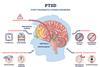
NewsPsychedelics may repair brain myelin to aid PTSD recovery
Psychedelic drugs such as psilocybin and MDMA may help repair the brain’s insulating myelin layer, according to new research.
-
 News
NewsNew organoid model helps test spinal cord regeneration drugs
Northwestern scientists have grown human spinal cord organoids to test therapies that could reduce scarring and promote nerve regrowth in patients.
-
 News
NewsMemory-linked brain cells offer new obesity target for future therapies
Scientists have identified a brain circuit that connects contextual memory with appetite, advancing understanding of binge eating and obesity while highlighting a promising new target for drug discovery.
-
 News
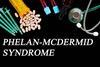
NewsNew SHANK3 conditional knockout mouse model launched for PMS research
A new SHANK3 conditional knockout mouse model from InnoSer, CureSHANK and Ozgene has been launched to advance research into Phelan-McDermid syndrome, other neurodevelopmental disorders and the development of new therapies.
-
 News
NewsHow ageing cells affect brain development and neurodegeneration
New research has revealed how cellular senescence – the process in which ageing cells change function – shapes human brain structure from development to old age, improving our understanding of brain ageing and neurodegenerative diseases.
-
 News
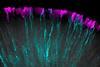
NewsFunctional retinal organoids improve drug testing for eye disease
Researchers have developed vascularised human retinal organoids featuring the first fully functional light-signal pathways in lab-grown human retina models, opening new possibilities for studying eye disease and testing therapies.
-
 News
NewsBrain ‘master switch’ discovery could lead to new neurodegenerative therapies
Scientists have captured, for the first time, dynamic changes in a crucial neuronal ‘master switch’ inside the living brain, potentially informing new future treatments for neurodegenerative diseases.
-
 News
NewsHomer1 gene discovery could lead to new ADHD therapies
A new study published has demonstrated that reducing background brain activity can sharpen attention, identifying the Homer1 gene as key to developing new targeted treatments for ADHD and related disorders.
-
 News
NewsExperimental drug NU-9 reduces toxic amyloid in early Alzheimer’s
A recently developed experimental drug, called NU-9, has shown promise in targeting a toxic form of amyloid beta – halting Alzheimer’s disease before symptoms appear.
-
 News
NewsParkinson’s: new study rethinks dopamine’s role in movement
A new study is challenging long-held beliefs about dopamine’s role in movement, revealing new insights into how Parkinson’s disease treatments work and pointing towards more targeted future therapies.
-
 News
NewsPlatelet-inspired nanoparticles could improve treatment of inflammatory diseases
Scientists have developed platelet-inspired nanoparticles that deliver anti-inflammatory drugs directly to brain-computer interface implants, doubling their effectiveness.
-
 News
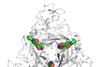
NewsBlocking the P2X4 receptor: a potential pathway to new therapies
Researchers have discovered how to inhibit the P2X4 receptor, a key protein linked to chronic pain, inflammation and certain cancers.
-
 News
NewsHow a psychedelic found in mushrooms could help fight alcoholism
Scientists have discovered that psilocin – the compound produced in the body from the psychedelic found in magic mushrooms – may reduce alcohol consumption by calming activity in brain regions linked to stress.
-
 News
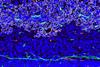
NewsExisting nerve pain drugs may help stop bone cancer spread
Scientists have discovered that two existing pain medications – bupivacaine and rimegepant – may not only relieve the severe pain caused by osteosarcoma but also slow the disease’s growth.
-
 News
NewsCRISPR epigenetic ‘switch’ provides new way to control memory
For the first time, researchers have demonstrated that flipping an epigenetic ‘switch’ in memory cells can directly control whether a memory is expressed or silenced, offering new insights into how memories are stored and potentially altered.
-
 News
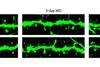
NewsBrain’s circHomer1 RNA offers insights for future neurological treatments
A circular RNA called circHomer1 has been found to play a vital role in forming and adjusting synapses in developing mouse brains, revealing an overlooked mechanism that helps visual neurons respond to changes in sensory input.