



News – Page 8
-
 News
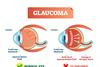
NewsNew target found for glaucoma treatment
Scientists have discovered that specialised immune cells in the eye help keep its drainage system clear and regulate pressure, which could inform new treatments for glaucoma.
-
 News
NewsNew AI tool could accelerate drug discovery and cut lab costs
Scientists have developed a machine learning system that can predict how complex chemical reactions will produce the correct molecular form for medicines.
-
 News
NewsBlocking FAK protein may help to overcome resistance in ovarian cancer
A new preclinical study has demonstrated that locking the focal adhesion kinase (FAK) protein may help the immune system better detect and attack ovarian tumours.
-
 News
NewsGut drug boosts liver health in mice after small bowel surgery
Researchers at Washington University have developed a gut-specific drug that protects the liver and improves nutrient absorption in mice after small bowel surgery.
-
 News
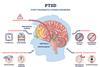
NewsPsychedelics may repair brain myelin to aid PTSD recovery
Psychedelic drugs such as psilocybin and MDMA may help repair the brain’s insulating myelin layer, according to new research.
-
 News
NewsNew AI foundation model aims to speed up drug discovery
Insilico Medicine and Liquid AI have partnered to develop a lightweight artificial intelligence foundation model designed to support multiple stages of drug discovery.
-
 News
NewsFlare Therapeutics streamlines drug discovery with Simplicis Ledger
Flare Therapeutics has selected Simplicis Ledger™ as its primary compound and inventory management platform, marking a strategic move toward a more resilient and automated approach to drug discovery.
-
 News
NewsELRIG appoints Dr Kelly Gray and Dr Elaine Duncan to board
ELRIG has appointed Dr Kelly Gray and Dr Elaine Duncan to its board, bringing extensive expertise to lead scientific programmes and early career initiatives.
-
 News
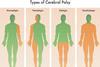
NewsStem cells from baby teeth could treat cerebral palsy
Japanese researchers have shown in a rat study that stem cells derived from naturally shed baby teeth may improve motor and cognitive impairments in chronic-phase cerebral palsy.
-
 News
NewsBlocking growth hormone may improve resistant lung cancer treatment
Ohio University researchers have discovered that blocking the growth hormone receptor could make lung cancer treatments more effective, offering potential new treatments for patients with therapy-resistant tumours.
-
 News
NewsWater interaction key to smarter nanomedicine design
Scientists at Arizona State University have discovered that the way nanoparticles interact with water determines how they behave inside the human body, providing a new thermodynamic framework that could lead to more effective nanomedicines.
-
 News
NewsNew molecular pathway links liver congestion to fibrosis
Japanese researchers have identified a molecular pathway linking chronic liver congestion to fibrosis and tumour formation, offering a potential new target for therapies to prevent serious liver disease.
-
 News
NewsPEX38 protein identified as drug target for trypanosome parasites
A newly identified protein essential to the survival of trypanosome parasites could offer a highly targeted route for future drug development.
-
 News
NewsNew precision GLP-1 agonist could reduce side effects in patients
Researchers have developed a novel GLP-1 receptor agonist that preserves blood sugar control while reducing nausea and vomiting, offering a potential safer approach to treating diabetes and obesity.
-
 News
NewsARK1 identified as target for future malaria drugs
Scientists have identified Aurora-related kinase 1 (ARK1) as a vital protein in malaria parasite development, a breakthrough that could enable future drugs designed to block transmission.
-
 News
NewsCircular RNA drives 50-fold boost in eye gene therapy
New in vivo data show a circular RNA platform can deliver up to a 50-fold increase in gene expression in the eye compared with conventional mRNA-based AAV approaches.
-
 News
NewsBispecific EGFR/EphA2-targeting ADC shows promise in colorectal cancer
Promatix Biosciences Ltd has announced positive preclinical data for its first-in-class bispecific antibody–drug conjugate, PBS293-MMAE, demonstrating enhanced tumour selectivity, improved suppression and reduced toxicity in colorectal cancer models.
-
 News
NewsHow tuberculosis bacteria outsmart human immune cells
Scientists have discovered how tuberculosis bacteria stiffen immune cell membranes to survive inside the body, a breakthrough that could lead to the development of new TB treatments.
-
 News
NewsMessy lipid nanoparticles deliver RNA more effectively
New research shows that lipid nanoparticles used in mRNA vaccines may deliver RNA more effectively when their structure is disorganised.
-
 News
NewsCamel-derived peptides target multidrug bacteria
Researchers at Sultan Qaboos University have identified three antimicrobial peptides from dromedary camels that demonstrate potent activity against multidrug-resistant bacteria.