Scientists have discovered that neurons can burn and make their own fats for energy – a finding that could lead to new treatments for rare and currently untreatable brain diseases.
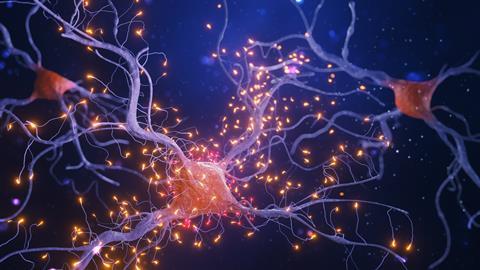
Researchers from the University of Queensland and the University of Helsinki have discovered how the brain powers itself. While neurons were previously thought to rely solely on glucose for energy, the new study reveals that they can also burn fat – and even produce their own fats when they need to increase energy.
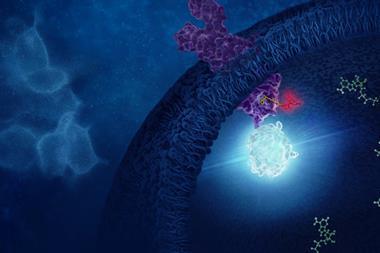
This process is made possible by a protein called DDHD2, which enables neurons to recycle parts of their own cells to generate fat for fuel.
The discovery that could change patients’ lives
The findings have profound implications for people living with Hereditary Spastic Paraplegia 54 (HSP54), a rare brain disorder caused by malfunction of the DDHD2 protein. When DDHD2 fails, neurons lose their ability to produce fats, which impairs both their energy supply and their ability to communicate properly.
The findings have profound implications for people living with Hereditary Spastic Paraplegia 54 (HSP54), a rare brain disorder caused by malfunction of the DDHD2 protein.
HSP54 patients begin to show worsening motor and cognitive impairments early in life, but there is reason for optimism. When damaged neurons grown in the lab were treated with special fatty acid supplements, their energy production and function were restored within 48 hours.
“This is a real game-changer,” said Dr Merja Joensuu, who conceived and led the study at the Australian Institute for Bioengineering and Nanotechnology. “We’ve shown that healthy neurons rely on fats for fuel, and when this pathway fails in conditions like HSP54, it may be possible to repair the damage and reverse the neuropathologies.”
New technologies bring fresh hope
Building on these findings, the team is now moving towards pre-clinical testing to decide whether fatty acid-based therapies are safe and effective before moving into human trials. The researchers also hope to explore whether this newly discovered fat-burning mechanism could be used to treat other, currently untreatable, neurological diseases.
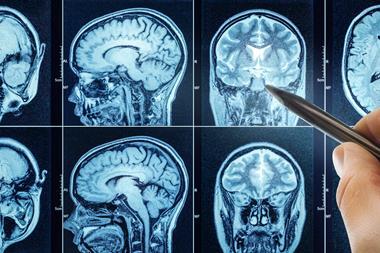
“We will continue the exciting collaboration with new non-invasive technologies to image the brain and therefore aid a faster development of the potential therapy,” said Dr Giuseppe Balistreri from the University of Helsinki. “This breakthrough doesn’t just rewrite the textbooks; it could transform lives.”



Topics
- Analytical Techniques
- Dr Giuseppe Balistreri (Researcher at the University of Helsinki)
- Dr Merja Joensuu (Group Leader Queensland Brain Institute)
- Drug Development
- Drug Discovery Processes
- Hereditary Spastic Paraplegia 54 (HSP54)
- Imaging & Diagnostics
- Lipids
- Mitochondria
- Molecular Biology
- Neurological disorders
- Neurons
- Neuroprotection
- Neurosciences
- the University of Helsinki
- The University of Queensland
- Translational Science