



Researchers at the University of Wisconsin–Madison have reported a new approach to forming carbon–nitrogen bonds, a critical step in the synthesis of amines widely used in pharmaceuticals, agrochemicals and polymers.
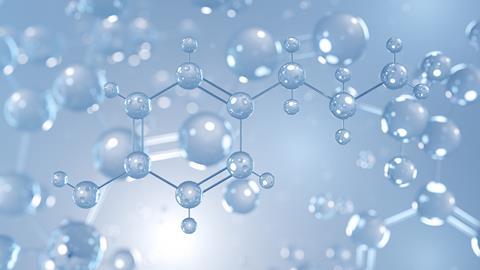
Targeting a key step in drug synthesis
Scientists at the University of Wisconsin–Madison have developed a catalytic method to selectively introduce nitrogen into carbon–hydrogen bonds, offering a more direct route to amines used in pharmaceuticals, agrochemicals and polymers. Amines are common in medicines, where they influence how drugs are absorbed and how they interact with biological targets.
The study, published in the journal Science, describes a system that enables selective nitrogen insertion into specific carbon–hydrogen bonds. In conventional synthesis, chemists often rely on pre-modified and sometimes expensive starting materials to introduce nitrogen. By contrast, this approach allows direct modification of C–H bonds, streamlining amine synthesis while reducing the number of steps required.
Overcoming selectivity challenges in C–H functionalisation
Incorporating nitrogen into organic molecules is central to the design of many drugs. However, directly modifying carbon–hydrogen bonds remains a major challenge in synthetic chemistry, as most C–H bonds in a molecule have similar reactivity, making it difficult to selectively target a single site.
To address this, Tuan Anh Trinh and colleagues at the University of Wisconsin–Madison developed a catalytic system based on a bulky ligand containing three pyridyl groups, combined with a silver triflimide salt. This system enables the controlled delivery of a nitrene species to a specific C–H bond within a molecule.
Enabling late-stage functionalisation
The method is compatible with readily available nitrene precursors and can be applied to a wide range of substrates, making it suitable for scalable synthesis from common chemical feedstocks.
Importantly, the approach supports late-stage installation of carbon–nitrogen bonds, allowing chemists to modify complex molecules at advanced stages of synthesis. This capability is particularly valuable in medicinal chemistry, where it can accelerate the optimisation of drug candidates.
Scope for further optimisation
In a related commentary published alongside the study, Radim Hrdina, an organic chemist at Charles University in Prague, noted that the method enables amination across substrates regardless of the electronic characteristics of their C–H bonds. However, he added that further work will be needed to improve efficiency and selectivity.
The findings highlight a potential route to streamline the synthesis of nitrogen-containing compounds, with implications for drug discovery and chemical manufacturing.











No comments yet