Researchers at Washington University have developed a gut-specific drug that protects the liver and improves nutrient absorption in mice after small bowel surgery.
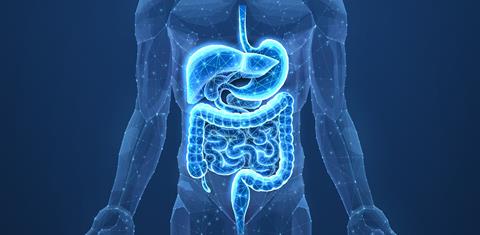
Surgical removal of diseased or damaged sections of the small intestine, known as radical small bowel resection, can save lives but carries a serious risk of long-term liver damage and even liver failure, sometimes requiring a transplant. Up to 15 percent of patients experience this complication and there are currently no drugs to prevent or treat it.
But now, a new study by researchers at Washington University School of Medicine has outlined the development of a new compound that shows promise in protecting the liver and improving nutrient absorption in mice following small bowel resection. Most importantly, the drug acts only on the gastrointestinal tract, reducing the risk of side effects elsewhere in the body.
“Our goal is to advance a therapeutic drug capable of preserving liver function and mitigating the necessity for liver transplants in people who’ve undergone small bowel surgery,” said Dr Gwendalyn Randolph, the study’s senior author and Emil R Unanue Distinguished Professor of Immunology at WashU Medicine. “This study offers a promising pathway for developing such a treatment.”
Targeting liver protection through the gut
Premature infants with necrotising enterocolitis often undergo small bowel resection, removing dying intestinal tissue. This surgery can lead to short bowel syndrome where the intestines are too short to absorb nutrients efficiently. Many children require long-term intravenous feeding and face high risks of liver disease, which could lead to a liver transplant later in life.
The new study focused on drugs known to increase HDL production in the liver and intestines, called liver X receptor (LXR) agonists.
Research by the late Brad Warner, MD, a paediatric surgeon and co-author, revealed that harmful substances from gut bacteria can cause damage when travelling to the liver after small bowel surgery. However, high-density lipoprotein (HDL) or ‘good’ cholesterol can protect the liver by neutralising these gut-derived substances.
The new study focused on drugs known to increase HDL production in the liver and intestines, called liver X receptor (LXR) agonists. Previous systemic LXR drugs caused severe side effects so the team tested a gut-restricted version designed to act only in the intestines. The compound, named WUSTL0717, was synthesised by Dr Bahaa Elgendy, an associate professor of anaesthesiology and expert in medicinal chemistry.
Promising preclinical results
When WUSTL0717 was orally administered to mice, it remained in the intestines. The researchers found that mice treated with the drug three weeks after small bowel resection absorbed nutrients more effectively and gained weight compared with untreated mice.
The compound also protected against liver fibrosis, a condition where scar tissue accumulates and impairs function. Treated mice had reduced collagen in their livers compared with untreated animals and genetic analyses showed decreased activity in fibrosis-associated genes.
“Our future goal is to create the next generation of tissue-specific therapies that preserve therapeutic benefit while reducing unintended systemic effects,” said Elgendy. “This precision-based strategy allows us to revisit important biological targets that were previously considered too challenging to develop safely.”
Towards clinical application
Washington University has filed a patent for the use of WUSTL0717 to treat short bowel syndrome. The next study will investigate whether the compound still protects the liver under the added stress of intravenous nutrition, which can damage the organ over time.
Washington University has filed a patent for the use of WUSTL0717 to treat short bowel syndrome.
“The absence of therapies for patients with short bowel syndrome has profound implications for their long-term health,” said Colin Martin, a co-author of the study and Director of Paediatric Surgery at WashU Medicine. “These preclinical findings represent a crucial leap forward in our goal of developing a treatment that safeguards liver function and improves nutrient absorption, enhancing the quality of life for patients affected by short bowel syndrome.”