
UK scientists have developed a promising class of enzyme inhibitors targeting Plasmodium falciparum aminopeptidase P, showing potential as next-generation antimalarial therapeutics.
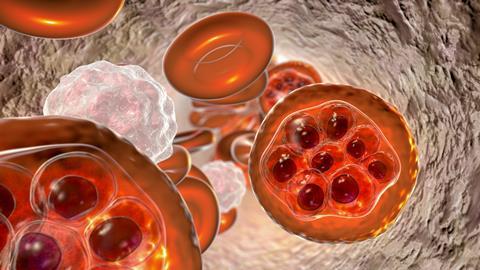
Scientists in the UK have developed a new class of compounds that target a key enzyme used by the malaria parasite to survive.
Malaria is a life-threatening disease caused by parasites transmitted through mosquito bites, leading to an estimated 282 million cases and 610,000 deaths globally each year. While treatments exist, their side effects and the growing problem of drug resistance have lead to a need for new therapeutic approaches.
Targeting a critical parasite enzyme
The research, led by a collaboration between the University of Bath and the University of Leeds, focused on an enzyme known as aminopeptidase P from Plasmodium falciparum, the parasite responsible for the most severe form of malaria in humans.
This enzyme plays a vital role in breaking down haemoglobin in the human host, supplying the parasite with essential amino acids needed for growth and replication. By disrupting this process, researchers hope to stop the parasite from surviving inside the body.
Designing more potent inhibitors
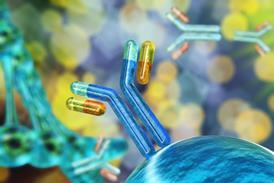
The team designed and developed a new class of inhibitors that significantly outperform existing compounds targeting the enzyme.
The scientists created a series of inhibitors based on an existing molecule called apstatin. These new compounds were engineered to bind more strongly to the parasite enzyme than the original molecule, increasing their effectiveness.
The scientists created a series of inhibitors based on an existing molecule called apstatin
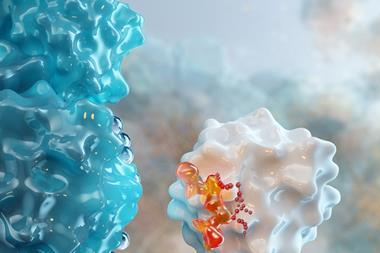
Using advanced X-ray crystallography techniques, the researchers were able to observe how these inhibitors interact with the enzyme at a molecular level. By shining X-rays through crystals of the enzyme containing each inhibitor, they determined the three-dimensional structures in detail.
The images showed that the inhibitors fit precisely into a pocket within the enzyme known as the active site. This is the region where haemoglobin fragments would normally be broken down. By occupying this space, the inhibitors block access and prevent the enzyme from functioning properly.
Promising early results
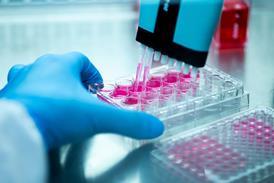
Laboratory tests showed that the new inhibitors not only bind more strongly than apstatin but are also capable of killing the parasite in vitro.
“Our work shows how subtle changes in inhibitor design can transform weak compounds into highly potent and selective molecules,” said Professor K Ravi Acharya, from the University of Bath’s Department of Life Sciences and corresponding author of the study. “Importantly, we were able to visualise the enzyme with these inhibitors bound to it, allowing us to directly observe the molecular interactions that drive their activity.”
Challenges remain before clinical use
Despite the high potency of the inhibitors in biochemical tests, the researchers identified challenges in how well the compounds enter cells. Improving properties such as permeability will be essential to ensure the drugs can work effectively in living organisms.
Despite the high potency of the inhibitors in biochemical tests, the researchers identified challenges in how well the compounds enter cells
“Malaria remains a major global health challenge, with growing resistance to existing treatments posing an increasing threat,” said Professor Elwyn Isaac, a biologist at the University of Leeds. “By providing a detailed molecular blueprint for inhibitor design, our collaborative study lays the foundation for a new generation of drugs targeting essential parasite enzymes.”






No comments yet