



Researchers have shown that pairing BCG vaccination with recombinant APRIL, a cytokine that supports B-cell survival and activation, cut tuberculosis relapse rates to 26 percent compared with 60 percent for BCG alone.
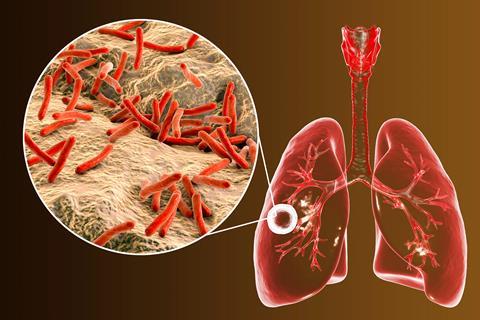
A combination of immunotherapy and the Bacille Calmette-Guérin (BCG) vaccine could substantially reduce the risk of tuberculosis (TB) relapse, according to new preclinical research led by scientists at the Hackensack Meridian Center for Discovery and Innovation (CDI).
The findings from the study provide strong evidence in favour of targeting B cells, a key component of the immune system, to strengthen long-term protection against TB returning after treatment.
The research was led by corresponding author Dr Martin Gengenbacher, Associate Member of the CDI and a faculty member at the Hackensack Meridian School of Medicine, alongside lead author Dr Chen-Yu Tsai and collaborator Dr Sabine Ehrt, Professor of Immunology and Microbiology at Weill Cornell Medicine.
Tackling a global health challenge
TB is one of the world’s leading causes of death and preventing the disease from returning after treatment is key global health challenge.
BCG is currently the only approved TB vaccine used clinically. Although it provides effective protection for children against severe forms of the disease, its ability to prevent pulmonary TB in adults and reduce relapse after treatment is limited.
Recurrence following treatment contributes significantly to the worldwide TB burden, prompting researchers to investigate ways of improving the durability of protection.
The CDI team built on recent discoveries showing that specialised B cells in the spleen can help restrict TB infection. The researchers wanted to establish whether an immunotherapy designed to support B-cell survival and activation could enhance the protection provided by BCG.
Combined treatment reduced relapse
The investigators used an established preclinical model of latent TB and spontaneous relapse to test BCG alongside recombinant A proliferation-inducing ligand (rAPRIL).
rAPRIL is a protein cytokine that regulates B-cell survival and differentiation. Researchers examined whether adding the treatment to BCG vaccination could improve immune control and reduce the likelihood of TB returning.
The results showed a marked difference between the treatment groups. The relapse rate was 26 percent among animals receiving the combined BCG and rAPRIL treatment, compared with 60 percent for BCG alone and 78 percent for the saline control.
The researchers then used flow cytometry to examine immune cell populations in the lungs and spleens and investigate how the treatment produced its effects.
B cells drive enhanced protection
The analysis found that rAPRIL selectively remodelled and activated marginal-zone B (MZB) cell compartments. This was accompanied by significant increases in CD69 and CD86, markers associated with cellular activation and tissue retention.
By contrast, T-cell populations were only modestly affected across the treatment groups, indicating that the enhanced protection observed in the study was primarily associated with changes to B-cell compartments.
Despite the findings needing further research to determine if the approach can provide similar protection in people, the results provide a potential route towards therapeutic and vaccine strategies designed to achieve more durable immunity against TB.







No comments yet