Japanese researchers have discovered how yaku’amide B, a rare compound from deep-sea sponges, targets aggressive cancer cells.
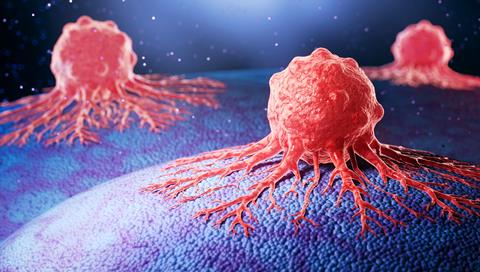
A collaborative team of Japanese scientists has discovered a previously unknown mechanism of action of yaku’amide B, a complex natural compound derived from deep-sea sponges near Yakushima Island, Japan. The research, led by Professor Kaori Sakurai at Tokyo University of Agriculture and Technology in partnership with Associate Professor Hiroaki Itoh and Professor Masayuki Inoue at the Graduate School of Pharmaceutical Sciences at the University of Tokyo, provides new information on why this molecule exhibits potent anticancer activity.
Natural products, such as yaku’amide B, often display multifaceted biological effects due to their intricate structures, which allow them to interact transiently with multiple biomolecules. While yaku’amide B was previously known to inhibit ATP synthase, an enzyme critical for cellular energy production, this action by itself could not explain its unusual ability to target cancer cells.
Capturing transient interactions
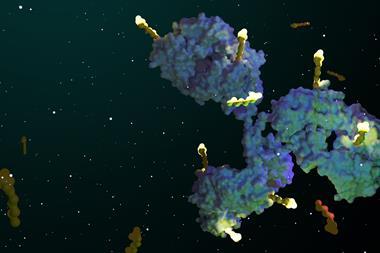
To investigate further, the researchers employed photoaffinity labelling (PAL), a technique that allows scientists to ‘capture’ molecules that interact only briefly with a drug.
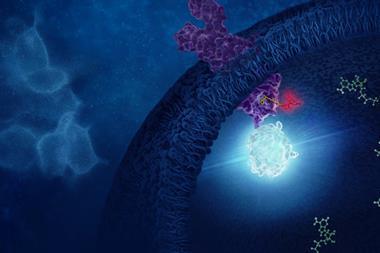
“Using a designed PAL probe, we discovered that yaku’amide B transiently binds to CD9, a membrane protein reported as a cancer stem cell marker,” said Associate Professor Itoh. “Remarkably, we found that this interaction promotes CD9 degradation inside cancer cells. Concurrently, yaku’amide B moves into mitochondria, where it inhibits ATP synthase, leading to cellular energy depletion.”
 Yaku’amide B suppresses cancer cell proliferation and migration. Credit: Hiroaki Ito, the University of Tokyo.[/caption]
 Targeting aggressive cancer cells
“CD9 is considered a key marker of aggressive cancer cells, including those responsible for recurrence and metastasis,” said Professor Sakurai. “Discovering that yaku’amide B can induce CD9 degradation is groundbreaking. This finding opens up new possibilities for drug development strategies that target cancer stem cells and their associated pathways.”
This dual action, simultaneous ATP depletion and CD9 degradation gives scientists a new explanation for the molecule’s anticancer properties.
Implications for future cancer therapies
The study emphasises the potential of natural products as starting points for innovative therapeutic approaches. Multi-target drug design and protein degradation strategies could harness molecules like yaku’amide B to develop more effective cancer treatments. By targeting cancer stem cells and critical metabolic pathways at the same time, such compounds may help overcome challenges posed by aggressive and treatment-resistant cancers.
As researchers continue to explore the hidden capabilities of structurally complex natural products, yaku’amide B provides a promising example of how marine-derived compounds can inspire the next generation of cancer therapies.