


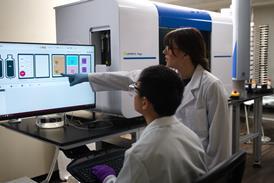
Researchers from UC Berkeley, UCSF and Stanford conducted identical parallel experiments across five laboratories to assess the reproducibility of psilocybin’s behavioural effects in mice.
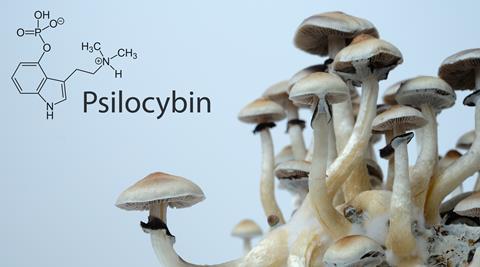
Conflicting findings from experimental studies of psychedelic drugs have raised questions about their potential to treat neurological and behavioural disorders such as depression and post-traumatic stress disorder (PTSD).
To investigate the effects of psilocybin on the brain, researchers from five laboratories across the University of California, Berkeley, the University of California, San Francisco (UCSF) and Stanford University conducted identical, parallel experiments in mice, and published their findings in Nature Neuroscience.
The aim was to establish which behavioural effects of the psychedelic drug could be consistently reproduced across different research settings.
After combining data from all five laboratories, the researchers found no lasting behavioural changes 24 hours after a single dose. Specifically, there was no reproducible reduction in anxiety or depression-like behaviours and no measurable impact on fear responses or social interactions.
However, some immediate effects were consistent across all five laboratories. Mice displayed increased anxiety and avoidance behaviour 10 minutes after receiving psilocybin, alongside reduced expression of fear.
The researchers also found no evidence that the drug reopened a critical period for social reward learning in adult mice, as suggested by previous studies.
One of our main findings is that, at least with our experiments and doses used, the persistent effects of psilocybin across these behaviors was modest, if anything. This really highlights the importance of multi-lab collaborations, such as this one, to better estimate a true underlying effect size accurately and reduce the risk of publication bias – that is, that positive results from single experiments, often with small sample sizes, are biasing the literature.”
Odilia Lu, a Berkeley doctoral student and co-first author of the paper
Understanding how psilocybin affects the brain
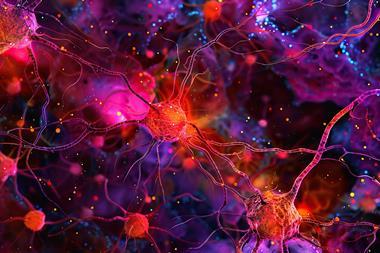
Despite the limited evidence for lasting behavioural effects, the researchers believe the reproducible immediate responses provide a starting point for investigating how psilocybin influences neuronal circuits.
“Initial very small clinical studies have shown that psilocybin could be a potential treatment for these diseases like depression and PTSD, but so far we know very, very little about what it actually does to the brain,” said Stephan Lammel, a UC Berkeley professor of neuroscience. “Once we understand what are really the reproducible effects of psilocybin on behavior, then we can study the mechanism and how it affects behavior in the brain. That was the idea behind this study.”
The findings also highlight challenges in using animal models to investigate psychiatric disorders. While two laboratories observed significant effects in one of two commonly used depression assays, the pooled data did not demonstrate a consistent effect.
Lu cautioned against interpreting these results as evidence that psilocybin cannot help treat depression in humans.
“I don’t necessarily think we need to move away from focusing on depression, because it seems like psilocybin is most promising for the treatment of the disorder,” she said. “A lot of the behavioral tasks that we use in mice to assay depression just can’t capture the really complicated human.”
Improving reproducibility in psychedelic research
Differences between laboratories included the sex of handlers, how long mice had been acclimatised to handling, animal suppliers, enclosure sizes and the time of day experiments were conducted. Although these factors did not explain the overall differences in psilocybin’s effects, they demonstrate the challenges of producing consistent behavioural research.
The researchers hope their findings will encourage greater collaboration and the publication of both positive and negative results.
“It’s an urgent call to the field,” Lammel said. “It means, hey, we understand the excitement about psychedelic drugs and we have seen their therapeutic effects in humans, but let’s all work together as a group, not individually, to solve this and really leverage the potential these drugs might have.”


No comments yet