Researchers at the Fralin Biomedical Research Institute are developing a targeted KCNT1 inhibitor that has shown early promise in reducing seizures in preclinical models.

Among the tens of thousands of genes in the human body, many are critical to our most basic functions. One gene, KCNT1, plays a vital role in maintaining normal electrical activity in the brain by regulating how neurons communicate. But when this gene mutates, it can trigger serious consequences.
For some, a KCNT1 mutation may pass unnoticed. For others - particularly young children - it can lead to catastrophic neurological effects, including learning difficulties, impaired communication and treatment-resistant seizures. In the United States, epileptic disorders caused by KCNT1 mutations affect an estimated 3,000 children.
A precision approach to treating KCNT1-linked epilepsy
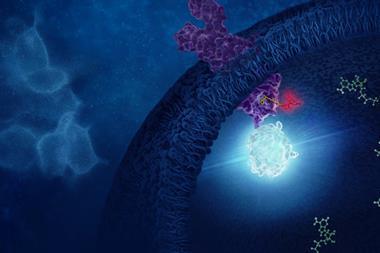
Now, researchers at the Fralin Biomedical Research Institute at VTC, led by Associate Professor Matthew Weston, are working to change that. Backed by a grant from San Diego-based Actio Biosciences, Weston’s team is testing a targeted drug designed to inhibit the malfunctioning KCNT1 protein.
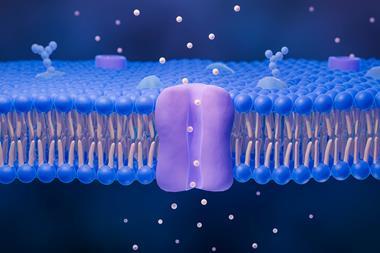
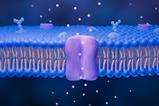
“The mutations cause abnormal amounts of potassium to flow through the ion channel,” Weston explained. “So, the idea is: If you give people a blocker that will limit that potassium flow, could you improve the disease?”
The investigational compound - known as a KCNT1 inhibitor - aims to restore balance by modulating potassium levels in affected neurons, potentially curbing seizures at their source.
Early results provide cause for optimism
While the research is still in its early stages, initial results are encouraging. In mouse models, the KCNT1 inhibitor has demonstrated a capacity to reduce seizure activity, hinting at its therapeutic potential for patients with this aggressive and life-shortening form of epilepsy.
The best-case scenario is that the drug enters clinical trials and works not just to stop seizures, but maybe even improve some of the other symptoms
Given promising preclinical data, Weston is optimistic. The goal isn’t just seizure control - it’s broader symptom relief and improved quality of life.
“The best-case scenario is that the drug enters clinical trials and works not just to stop seizures, but maybe even improve some of the other symptoms,” he said.
Toward clinical trials in 2026
The drug candidate is currently on track to enter clinical trials, offering a potential avenue for patients as early as 2026. If successful, the treatment could mark a major advance for children who currently have few effective therapeutic options.
Actio Biosciences, the project’s industry partner, specialises in developing precision medicines for genetic and rare diseases. With their support, the Fralin Institute’s research may soon allow for one of the first targeted treatments for KCNT1-related epilepsy.



Topics
- Analytical Techniques
- Assays
- Drug Development
- Drug Discovery
- Drug Discovery Processes
- Drug Targets
- Epileptic conditions
- Fralin Biomedical Research Institute at VTC
- Genetic Analysis
- In Vivo Testing
- Ion Channels
- Molecular Biology
- Neurological disorders
- Neurosciences
- Precision Medicine
- Professor Matthew Weston (Fralin Biomedical Research Institute at VTC)
- seizures
- Translational Science