Researchers in China have discovered a previously unknown mechanism that allows aggressive breast cancers to avoid immune attack, while simultaneously exposing a weakness that could make these tumours especially responsive to existing immunotherapy treatments.
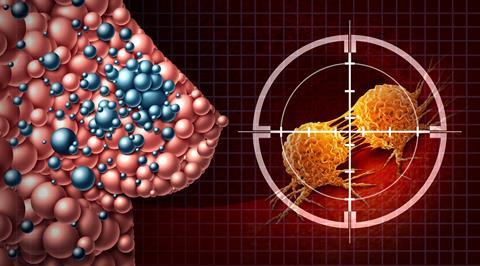
Researchers at Sun Yat-Sen Memorial Hospital, Sun Yat-Sen University have discovered a new mechanism by which aggressive breast cancer cells evade the body’s immune defences. The study also identifies a critical weakness that could make these tumours particularly responsive to current immunotherapy treatments.
The findings provide scientists with new insights into how some cancers manipulate immune signalling pathways, transforming what should be a powerful anti-tumour response into a process that actively supports tumour growth.
Hijacking the body’s immune alarm system
Many cancer cells accumulate high levels of DNA damage. Fragments of this damaged DNA can leak into the cytoplasm, triggering an internal alarm system known as the cGAS–STING pathway. Under normal circumstances, this pathway activates immune responses designed to identify and destroy tumour cells.
Many cancer cells accumulate high levels of DNA damage.
However, the research team found that some aggressive breast cancers subvert this defence using a specific molecule called FAM83H-AS1. Rather than allowing cGAS–STING to initiate a strong anti-tumour immune attack, FAM83H-AS1 effectively rewires the pathway. The immune response is shifted from tumour-killing activity to chronic inflammation that ultimately benefits the cancer.
This inflammatory state helps establish an immunosuppressive tumour microenvironment, allowing cancer cells to grow and evade immune destruction.
A vulnerability linked to immunotherapy
Crucially, the researchers discovered that this immune evasion strategy creates an unexpected weakness. The same inflammatory signalling that protects the tumour also drives the production of high levels of PD-L1, a protein that is a major target of immunotherapy drugs.
As a result, tumours that overexpress FAM83H-AS1 may be especially sensitive to therapies that block PD-L1. The study suggests that patients with this molecular profile could be ideal candidates for currently available checkpoint inhibitor treatments.
A key player in a ‘gene desert’
FAM83H-AS1 is a long noncoding RNA (lncRNA) located in chromosome region 8q24, an area long associated with cancer risk but often described as a ‘gene desert’ due to its lack of protein-coding genes. Although the well-known MYC oncogene lies nearby, its activity does not fully explain the high cancer risk linked to this region.
FAM83H-AS1 is a long noncoding RNA (lncRNA) located in chromosome region 8q24, an area long associated with cancer risk but often described as a ‘gene desert’ due to its lack of protein-coding genes.
“It is very likely that this region harbours important, yet-to-be-discovered oncogenes,” said study principal investigator Professor Man-Li Luo, Deputy Director of the Medical Research Center at Sun Yat-Sen Memorial Hospital, Sun Yat-Sen University.
While lncRNAs vastly outnumber protein-coding genes in the human genome, their roles remain poorly understood. FAM83H-AS1 highlights this gap in knowledge. Although its overexpression has been associated with poor outcomes in many cancers, its precise function had remained previously unclear.
Disarming immune defences
The researchers found that FAM83H-AS1 is frequently amplified and highly active in tumour tissue. In breast cancer patients, elevated levels of this lncRNA were linked to weakened anti-tumour immunity and reduced survival.
Mechanistically, the team showed that FAM83H-AS1 diverts cGAS–STING signalling away from an interferon-driven anti-tumour response towards an NF-κB-mediated inflammatory pathway. This switch effectively disarms the body’s natural defences, turning immune activity into fuel for cancer progression.
Broader implications for cancer treatment
The study establishes FAM83H-AS1 as a key oncogene within chromosome 8q24, highlighting that so-called gene deserts may conceal critical non-coding regulators of cancer. Given that FAM83H-AS1 overexpression is linked to poor prognosis across multiple tumour types, the researchers believe this immune evasion mechanism could extend beyond breast cancer.
Importantly, the findings point to a clear therapeutic insight: tumours characterised by FAM83H-AS1 overexpression or NF-κB-driven inflammation may be particularly vulnerable to immune checkpoint blockade therapies already in clinical use.




Topics
- Analytical Techniques
- Biomarkers
- Cancer
- Disease Research
- Drug Development
- Drug Discovery Processes
- Drug Targets
- Immunology
- Immuno-oncology
- Immuno-oncology
- Immunotherapy
- immunotherapy
- Molecular Biology
- Neurological disorders
- Oncology
- Professor Man-Li Luo (Deputy Director of the Medical Research Center at Sun Yat-Sen Memorial Hospital)
- Research and development
- RNAs
- Sun Yat-sen Memorial Hospital
- Translational Science