



Four Ontario-based research teams will share $3.1 million over two years to develop innovative cancer treatments targeting drug resistance and toxicity.
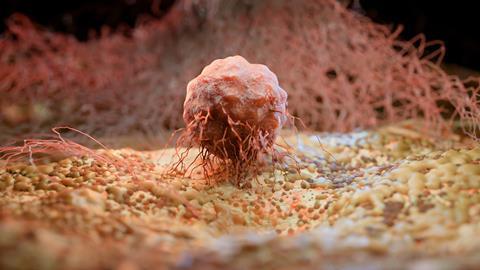
Efforts to improve cancer care are being strengthened in Ontario as the Ontario Institute for Cancer Research announces new funding to support the development of innovative treatments designed to be more effective, less toxic and less prone to resistance.
Four research teams based in the province will share $3.1 million over two years through the Cancer Therapeutics Innovation Pipeline (CTIP) programme. The projects target a range of cancers, including breast and ovarian cancers, a difficult-to-treat form of leukaemia, the most aggressive type of childhood brain cancer and a key cancer-driving protein involved across multiple tumour types.
Tackling resistance and side effects
The initiative aims to address two of the most persistent challenges in oncology: drug resistance and treatment-related toxicity.
“Side effects and drug resistance are some of the most serious problems that a person with cancer can face during their treatment,” said Dr Lincoln Stein, Acting Scientific Director at OICR. “These CTIP grants are an important part of our efforts to make a tangible difference for patients in these areas by investing in these projects and their enormous potential.”
Driving innovation in cancer therapeutics
The newly funded studies add to OICR’s growing Therapeutic Innovation portfolio, which includes one of Canada’s largest drug discovery programmes. Through CTIP, projects undergo rigorous review by experts from academia and industry, ensuring both scientific quality and strategic direction.
These efforts focus on translating new insights into cancer biology into practical therapies that can prevent tumour spread, reduce side effects and overcome resistance to existing treatments.
“Ontario-made research is saving and transforming lives and our government is proud to support the Ontario Institute for Cancer Research and applaud their Cancer Therapeutics Innovation Pipeline that ensures Ontario’s world-class researchers can keep developing live-saving cancer treatments that protect our loved ones,” said Nolan Quinn, Ontario’s Minister of Colleges, Universities, Research Excellence and Security.
Four projects targeting urgent unmet needs
Among the funded initiatives is work led by David Andrews at the Sunnybrook Research Institute, which aims to target a so-called ‘master regulator’ protein linked to poor outcomes. By disrupting its interaction with a partner protein, the team hopes to trigger destruction of the cancer driver and open new treatment avenues for tumours that currently lack targeted therapies.
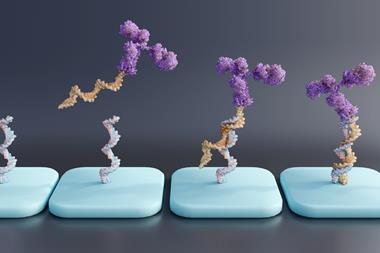
At the University of Toronto Mississauga, Jumi Shin is developing ’frankenprotein’ drugs – engineered protein-based therapies designed to disrupt a major cancer network active in more than 70 percent of tumours. Early results suggest these treatments could slow tumour growth in aggressive breast cancer and offer new options for ovarian cancer.
Meanwhile, Anastasia Tikhonova at University Health Network is working on precision therapies for T cell acute lymphoblastic leukaemia. By identifying a unique marker on cancer cells, the team aims to develop targeted treatments that spare healthy immune cells.
Finally, Sheila Singh at McMaster University is focusing on medulloblastoma, the most aggressive form of the most common malignant childhood brain tumour. Her team is developing drugs that can cross the blood-brain barrier and block tumour metabolism, potentially reducing reliance on toxic treatments such as radiation.
Towards better outcomes for patients
Together, these projects reflect a broader push to accelerate the development of more precise and effective cancer therapies. By supporting early-stage innovation, OICR can bring new treatments closer to clinical use and ultimately improve outcomes for patients facing some of the most challenging forms of the disease.
“Patients need faster access to new, cutting-edge therapies that offer better options and outcomes,” said Patient Advocate Terry Hawrysh. ”Too many patients still face limited or ineffective treatments, or must endure severe side effects that seriously impact their quality of life. OICR funded CTIP grants play a valuable role in identifying solutions that could address these challenges through innovative discovery and eventual clinical use and bring much needed hope to the cancer patient community.”







No comments yet