



All Regenerative Medicine articles
-
 News
NewsMenin inhibitor KO-7246 shows β-cell regeneration in preclinical diabetes models
New preclinical data suggests that menin inhibitor KO-7246 can regenerate functional pancreatic β-cells and sustain improvements in blood glucose control across both Type 1 and Type 2 diabetes models.
-
 News
News‘Plug-and-play’ CAR T platform enables post-infusion immune cell reprogramming
City of Hope researchers have developed a modular ‘plug-and-play’ CAR T-cell platform that enables post-infusion reprogramming of engineered immune cells, offering a potential solution to treatment resistance driven by tumour evolution.
-
 News
NewsNasal spray delivers amniotic vesicles to combat Alzheimer’s disease
A nasal spray using extracellular vesicles derived from the amniotic membrane has shown promise against Alzheimer’s disease, reducing neuroinflammation, protecting neuronal function and preserving memory in experimental models.
-
 News
NewsHuman heart organoids with functioning valves model cardiac valve disorders
Researchers have engineered human heart organoids complete with functioning valves, creating a physiologically relevant platform to study valve disorders including mitral valve prolapse and valve calcification, and potentially accelerating the search for new treatments.
-
 News
NewsWhat regenerative medicine can learn from multifunctional biomaterials
Researchers at the Indian Institute of Technology Gandhinagar have developed an injectable hydrogel incorporating a novel cerium–rutin metal–phenolic nanocomplex that simultaneously targets oxidative stress, inflammation and bacterial contamination in deep wounds—without the use of antibiotics.
-
 News
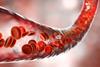
NewsMIT engineers control blood vessel growth using mechanical stretching
Engineers at MIT have developed a technique to direct blood vessel growth using mechanical forces, offering a potential solution to one of tissue engineering’s most persistent obstacles: vascularisation.
-
 Article
Synthetic iMSCs: reprogramming ovarian cancer from the inside out
Ovarian cancer has long proved difficult to treat. Could the answer lie within the disease itself? Discover how synthetic iMSCs could reprogramme the tumour microenvironment and restore anti-tumour immunity.
-
 News
NewsStem cell organoids repair heart microvessels in coronary artery disease models
Stanford University researchers have demonstrated that stem cell-derived vascular organoids can regenerate damaged microvessels in the heart, improving cardiac function in a porcine model of ischaemic heart disease and addressing a significant unmet need in coronary artery disease treatment.
-
 News
NewsSynthetic organiser cells enhance kidney organoid reproducibility and accuracy
Scientists at the University of Southern California have engineered synthetic organiser cells that produce localised Wnt signals to guide kidney organoid development, yielding more reproducible, physiologically accurate structures and revealing a previously unrecognised developmental axis in the human kidney.
-
 News
NewsMineralised DNA hydrogel accelerates bone repair in preclinical studies
A mineralised DNA hydrogel has demonstrated accelerated bone repair and improved tissue mineralisation in preclinical studies, offering a potential new approach to treating difficult bone defects through combined immune regulation and sustained regeneration.
-
 News
NewsStudy suggests senolytic therapies could slow spinal disc degeneration
Thomas Jefferson University researchers have demonstrated that senolytic therapies targeting cellular senescence may delay early intervertebral disc degeneration, a major cause of chronic back and neck pain.
-
 News
NewsCardiac organoids repair heart attack damage in preclinical study
Researchers have developed a scalable bioreactor-based system to produce cardiac organoids that successfully integrated into damaged heart tissue in porcine models of myocardial infarction, improving cardiac function and reducing scar formation without triggering arrhythmias.
-
 News
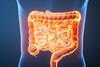
News3D-printed system doubles growth speed of transplantable gut organoids
A novel 3D-printed confined culture system has enabled researchers to generate larger, more advanced human gastrointestinal organoids in half the time of traditional methods, producing transplantation-ready tissues with self-organised enteric neural networks within 14 days.
-
 News
NewsPERM1 protein linked to heart recovery in LVAD patients
A newly identified protein may explain why some failing hearts recover function following mechanical support while others do not.
-
 News
NewsNasal spray reverses age-related brain inflammation in preclinical study
Researchers at Texas A&M University have developed a nasal spray delivering extracellular vesicles that reverses neuroinflammaging in preclinical models. Two doses significantly reduced brain inflammation, restored mitochondrial function and improved memory within weeks, with effects persisting for months. The therapy bypasses the blood-brain barrier and targets inflammatory pathways whilst reactivating cellular energy production.
-
 News
NewsNew osteoarthritis therapy targeting joint repair advances following preclinical success
A Duke Health-led consortium has achieved key preclinical milestones in developing regenerative therapies that target cartilage and bone damage in osteoarthritis, potentially offering an alternative to symptom management and joint replacement surgery.
-
 News
NewsNew RNA injection could help hearts heal after heart attacks
A new RNA-based therapy developed at Columbia University could help the heart repair itself after a heart attack without invasive surgery.
-
 News
NewsNew organoid model helps test spinal cord regeneration drugs
Northwestern scientists have grown human spinal cord organoids to test therapies that could reduce scarring and promote nerve regrowth in patients.
-
 News
NewsMini-stomach organoids grown to improve disease research
Scientists have grown the first multi-regional “mini-stomach” in the lab, creating a new way to study rare genetic stomach diseases and help to develop new treatments for digestive conditions.
-
 News
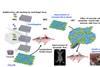
NewsCentrifuge technique creates functional bioengineered lymph nodes
Using a straightforward cell stacking method, researchers have regenerated functional lymph nodes, offering a potential long-lasting therapy for secondary lymphedema and creating new opportunities for immunology and oncology drug discovery.