



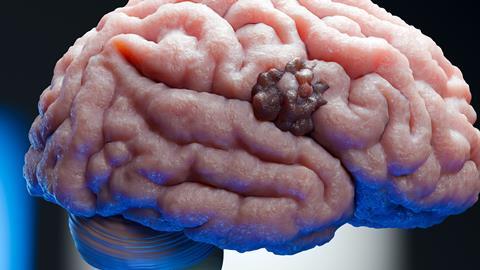
A new study published in Neuro-Oncology suggests SIRPα operates within triple-negative breast cancer cells to drive metastatic spread to the brain, while simultaneously conditioning the local immune microenvironment to favour tumour survival.
Scientists at Wake Forest University School of Medicine have identified a previously underappreciated role for SIRPα in triple-negative breast cancer (TNBC), suggesting the protein could help cancer cells survive the journey to the brain and establish metastatic tumours.
The study found that SIRPα is not only involved in regulating immune cells but can also operate within cancer cells themselves. In preclinical models, increased SIRPα was associated with greater metastatic behaviour while its inhibition reduced brain metastatic lesions.
The findings are particularly relevant to TNBC, an aggressive breast cancer subtype that lacks three commonly targeted receptors. Brain metastases are a significant clinical challenge in TNBC and treatment options are very limited.
“The biology of brain metastasis is incredibly complex and we urgently need better ways to prevent and treat it. Our findings suggest that SIRPα helps make tumour cells more aggressive while also changing the brain environment in ways that help those cells survive.”
Dr David Soto-Pantoja, Associate Professor of Cancer Biology at Wake Forest University School of Medicine.
What is SIRPα?
SIRPα is a cell-surface protein best known for its role in immune regulation. Its interaction with CD47 forms part of a signalling system involved in controlling whether immune cells recognise and respond to cells they encounter.
The Wake Forest study suggests SIRPα may also operate inside TNBC cells in ways that influence mitochondrial dynamics, cancer-cell movement and the surrounding tumour environment. This distinction is important because it broadens the biological rationale for investigating the protein as a therapeutic target.
Why does this matter for early drug discovery?
The potential significance of the work lies in where SIRPα appears to be acting.
SIRPα has traditionally attracted attention because of its role in immune cells and its interaction with CD47, a pathway that cancer cells can exploit to avoid immune surveillance. Earlier research into the pathway has largely focused on disrupting this interaction to make tumour cells more visible to the immune system.
The new study points to an additional possibility in that SIRPα may have a direct, cancer-intrinsic role.
Researchers found that high levels of SIRPα altered mitochondrial behaviour inside TNBC cells. Mitochondria are often described as the cell’s powerhouses but they also influence signalling, metabolism and cell survival.
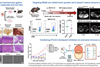
In the study, increased SIRPα promoted mitochondrial fission, in which mitochondria divide into smaller structures. The researchers linked this process to greater cancer-cell movement and metastatic potential through the SHP2/Erk/Drp1 signalling pathway.
That creates a potentially useful drug-discovery hypothesis: interfering with SIRPα could affect the cancer cell itself rather than relying solely on changing the behaviour of immune cells.
A two-part mechanism
The researchers also found evidence that SIRPα influences the environment surrounding metastatic cancer cells.
Higher SIRPα increased production of fibronectin, an extracellular matrix protein that helps provide structural support between cells. In the brain, fibronectin was associated with changes in microglia, immune cells that form part of the brain’s defence system.
Repeated exposure to fibronectin appeared to make microglia less inflammatory and less capable of mounting an effective response against cancer cells. The result is a potential two-part mechanism: SIRPα may make tumour cells more capable of spreading while simultaneously helping create an environment in which they are harder for the brain’s immune system to eliminate.
“One of the most intriguing findings was that the tumour cells appeared to weaken the response of the brain’s immune cells,” Dr Soto-Pantoja said. “This creates a more favourable environment for cancer cells to grow and survive, and SIRPα appears to play an important role in that process.”
What does it mean for researchers?
The study provides several options for follow-up work rather than a ready-made treatment.
The researchers used human breast cancer datasets and patient tumour samples alongside laboratory experiments involving cancer cells, immune cells and mitochondria. They also used preclinical models of breast-to-brain metastasis. Across these models, reducing or inhibiting SIRPα slowed tumour growth, reduced cancer in the brain and delayed the development of brain metastases.
For early drug discovery, key questions will include whether SIRPα can be targeted selectively enough to avoid unwanted effects on normal immune function, whether blocking the protein can reach relevant tumour sites and whether its cancer-intrinsic and immune effects can be separated or exploited together.
What happens next?
The Wake Forest team plans to investigate how SIRPα functions within cancer cells and whether it can be safely targeted. Another area of interest is whether SIRPα inhibition could be combined with existing immunotherapies or other treatments for TNBC brain metastases.
The direction is consistent with where cancer research is going, moving towards understanding the interaction between tumour cells and their surrounding microenvironment rather than treating cancer cells in isolation.
For researchers watching the field, the next significant steps will be validation in additional models, clarification of the molecular pathway linking SIRPα to mitochondrial fission and further testing of whether targeting the protein can produce a meaningful therapeutic effect without unacceptable toxicity.
Key takeaways
-
SIRPα may have a dual role – helping TNBC cells become more metastatic while altering the brain’s immune environment.
-
Mitochondria are part of the mechanism – increased SIRPα promoted mitochondrial fission through signalling involving SHP2, Erk and Drp1.
-
The immune microenvironment also changes – SIRPα was associated with increased fibronectin and reduced microglial inflammatory activity.
-
The target is not yet a treatment – the evidence is currently preclinical and requires further validation.
-
The drug-discovery opportunity – targeting SIRPα could potentially affect both cancer-cell behaviour and immune tolerance, creating a rationale for future combination approaches.











No comments yet