Can targeting both regulatory and inflammatory pathways change how we treat neurodegenerative disease? Coya Therapeutics is testing that idea with its IL-2 and GLP-1 receptor agonist combination.
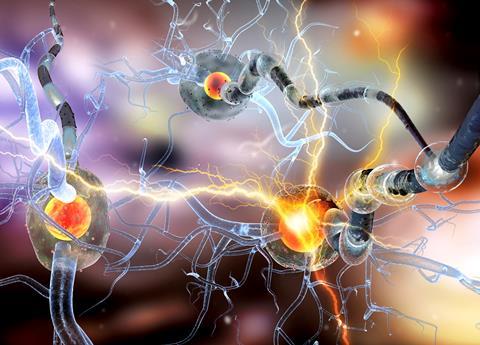
Neuroinflammation has moved from the background of neuroscience research to the centre of disease-modifying drug discovery. Once viewed as a by-product of neuronal loss, it is now understood to be a key driver of disease onset and progression in disorders such as amyotrophic lateral sclerosis (ALS), Alzheimer’s disease and Parkinson’s disease. This shift reflects growing evidence that immune mechanisms play a central role in the onset and progression of neurodegenerative disease.
The search for disease-modifying therapies now focuses on rebalancing immune activity, reducing maladaptive inflammation and restoring the protective functions of regulatory immune cells. At Coya Therapeutics, this focus has guided the development of therapies that modulate immune activity to address neurodegenerative disease.
Fred Grossman, D.O., FAPA, President and Chief Medical Officer, in collaboration with Dr Aaron Thome at Houston Methodist, describe how their work using the lipopolysaccharide (LPS) mouse model is uncovering the mechanistic links between systemic inflammation and neurodegeneration. This research is part of a collaboration between the two institutions.
Coya Therapeutics and the Houston Methodist Research Institute have a research agreement centered on Coya's platform for enhancing the function of Tregs to combat neuroinflammation in neurodegenerative diseases.
A dual focus on inflammation and regulation
As President and Chief Medical Officer at Coya Therapeutics, Fred Grossman brings more than 25 years’ experience developing central nervous system (CNS) drugs across large and emerging pharma. He joined the company two years ago to help translate immunological discoveries into therapies for neurodegenerative disease.
Coya’s programmes aim to reduce chronic inflammation by restoring immune regulation through the expansion and stabilisation of regulatory T cells (Tregs), while at the same time reducing pro-inflammatory myeloid activity.
“The simplicity and clarity of the mechanism and combination approach to quell inflammation is key to creating therapies for neurodegenerative disorders,” says Grossman.
The LPS in vivo model: connecting systemic and neuroinflammation
Coya uses the LPS (lipopolysaccharide) mouse model, a well-established tool for studying how systemic inflammation contributes to CNS pathology.
Neuroinflammation is widely recognised to contribute to disease progression in almost all neurodegenerative diseases.
“The LPS mouse model is a widely accepted model of systemic inflammation and CNS neuroinflammation which are mechanisms increasingly recognised as driving some of the most severe neurodegenerative disorders such as ALS, FTD, Alzheimer’s disease and Parkinson’s disease,” explains Grossman.
He notes that repeated exposure to LPS activates monocytes/macrophages through CD14 and TLR4 signalling, leading to the release of pro-inflammatory cytokines, increased blood–brain barrier permeability and activation of microglia and astrocytes. The result is a reproducible state of peripheral and central inflammation suitable for testing immunomodulatory therapies.
Peripheral inflammatory states and activated myeloid cells can exploit a compromised barrier and amplify CNS pathology.
The model also reflects the growing recognition that systemic inflammation and CNS pathology are interlinked. In fact, repeated exposure to LPS has been shown to induce Alzheimer’s disease–like pathology and cognition deficits, promote sustained microglial activation, and also cause delayed dopaminergic neuron loss which is a characteristic feature of Parkinson’s disease.
“Neuroinflammation is widely recognised to contribute to disease progression in almost all neurodegenerative diseases,” Grossman says. “Peripheral inflammatory states and activated myeloid cells can exploit a compromised barrier and amplify CNS pathology.”
Testing a combination approach
Coya’s candidate COYA 303 combines low-dose interleukin-2 (LD-IL2) with a GLP-1 receptor agonist (GLP-1RA). The rationale lies in targeting complementary pathways: LD-IL2 selectively expands and stabilises Tregs to restore immune balance, while GLP-1RA reduces pro-inflammatory myeloid signalling.
The specific changes observed show that LD-IL2 plus GLP-1RA complement one another by focusing on different systems to reduce inflammation.
“The specific changes observed show that LD-IL2 plus GLP-1RA complement one another by focusing on different systems to reduce inflammation,” says Grossman.
According to Coya’s preclinical data, LD-IL2 enhances Treg number and suppressive capacity against effector T cells and activated macrophages, whereas GLP-1RA reduces inflammatory transcripts in myeloid cells. The combination therefore amplifies Treg activity and shifts macrophages towards anti-inflammatory phenotypes.
“Taken together this is a complementary combination with potent anti-inflammatory activity,” Grossman notes. “This can potentially reduce the inflammation observed in neurodegenerative disorders by correcting the dysfunction through Tregs and myeloid cells in a sustained manner.”
Linking immune modulation to neuroprotection
The role of pro-inflammatory microglia in Alzheimer’s disease and other neurodegenerative conditions is increasingly well documented. These activated cells contribute to synaptic dysfunction, neuronal loss and disease progression. Coya’s data suggest that reducing peripheral and central myeloid activation while enhancing Treg function could support neuroprotection and potentially deliver longer-term disease modification.
This also creates a permissive environment for Treg-enhancing therapies to restore immune balance and provide more durable disease-modifying benefit for patients.
“This also creates a permissive environment for Treg-enhancing therapies to restore immune balance and provide more durable disease-modifying benefit for patients.”
By designing a combination therapy that addresses both regulatory and inflammatory axes, Coya aims to overcome one of the major limitations of monotherapies in this space: that targeting one pathway often leads to compensatory activation of another.
Why combine IL-2 and GLP-1 receptor agonists?
“Neuroinflammation persists when pro-inflammatory macrophages cause Treg dysfunction and abrogate Tregs’ neuroprotective functions,” explains Grossman. “COYA 303 targets both sides: the GLP-1 receptor agonists reduce pro-inflammatory myeloid signalling and minimise the macrophage-mediated Treg dysfunction while LD-IL2 expands and stabilises Tregs to restore suppressive function.”
In neurodegenerative disease, Tregs often become unstable or exhausted, while activated myeloid cells sustain chronic, toxic inflammatory environment. The combination of LD-IL2 and GLP-1RA is designed to reset the immune environment by restoring regulatory balance and tempering innate immune activation.
Translating to humans
As promising as the preclinical findings appear, both Grossman and Thome emphasise the limitations of mouse models.
Although these results are promising, mice are not humans and their immune systems differ, so preclinical models do not always predict human disease or therapeutic outcomes.
“Although these results are promising, mice are not humans and their immune systems differ, so preclinical models do not always predict human disease or therapeutic outcomes,” says Grossman.
The LPS model serves primarily as a proof-of-mechanism bridge to inform early clinical design. The next steps include verifying the mechanism in human studies, refining dose and schedule, and validating translatable biomarkers that can be used to track immune modulation in patients.
The future of neuroinflammation research
According to Thome, systemic immune modulation is emerging as a central focus in efforts to develop treatments for neurodegenerative disease, with growing attention on the crosstalk between peripheral immunity and CNS inflammation.
“The evidence is increasingly clear that neuroinflammation drives neurodegeneration and disease progression; as a result, systemic immunity shapes neurodegenerative pathogenesis,” says Thome. “Peripheral immune cell proinflammatory activation is present and tracks with disease progression in ALS and AD, and our recent work shows peripheral monocyte signatures correlating with PD.”
Understanding these pathways may enable more targeted interventions that recalibrate immune dysfunction rather than merely suppress inflammation.
“Modulating systemic inflammation aims to reduce this upstream driver, stabilise regulatory control by enhancing Tregs and tame maladaptive myeloid activity,” says Grossman. “Looking ahead, drug discovery will focus on a deeper understanding of immune dysfunction in patients and on combination therapies that overcome the immune pro-inflammatory activation, which is protective in health against infectious diseases but can aggravate neurodegenerative diseases.”
Towards translatable immune modulation
The growing body of evidence linking systemic inflammation to neurodegeneration has created new opportunities for therapeutic innovation. For Coya Therapeutics, the challenge is to translate immune modulation into durable clinical benefit.
Combination immunomodulatory approaches such as COYA 302 and COYA 303 have the potential to establish immune modulation as a core strategy in neurodegenerative disease drug development.
Meet the experts
 Dr Aaron Thome, Assistant Research Professor, Houston Methodist Neurological Institute
Dr Aaron Thome is an Assistant Research Professor in the Department of Neurology at the Houston Methodist Neurological Institute and the Johnson Center for Cellular Therapeutics. He works closely with Dr Stanley Appel (Coya Scientific Advisory Board), who is renowned for discovering regulatory T cells (Tregs) as a therapeutic approach to inflammation in neurodegenerative diseases. Dr Thome is a translational neuroimmunologist focused on developing therapies that target neuroinflammation and immune dysfunction to slow or halt the progression of neurodegenerative diseases such as ALS, Alzheimer’s, and Parkinson’s. His previous training includes the Houston Methodist Neurological Institute and the University of Alabama at Birmingham’s Center for Neurodegeneration and Experimental Therapeutics.
 Dr Fred Grossman, DO, FAPA, President and CMO of Coya Therapeutics
Dr Fred Grossman brings over 25 years of drug development expertise having held senior executive leadership positions in large and small pharmaceutical companies leading the development and FDA approval of numerous blockbuster drugs addressing significant unmet medical needs particularly across CNS disorders.
Dr Grossman held executive positions at Eli Lilly, Johnson & Johnson, Bristol Myers Squibb and Sunovion. He served as President and Chief Medical Officer at Glenmark Pharmaceuticals overseeing development of the entire pipeline including generics, complex generics including 505(b)(2) candidates and next-generation biologics (including bi-specific antibodies).
He also previously served as Chief Medical Officer at Mesoblast, Inc. (NASDAQ: MESO), developing allogeneic cellular therapies for inflammatory diseases. Dr Grossman is Board-Certified in Psychiatry and a Fellow of the American Psychiatric Association and was a Fellow at the National Institutes of Health (NIH). He has held several academic appointments and authored numerous scientific publications.




Topics
- Companies
- Coya Therapeutics
- Disease Research
- Dr Aaron Thome (Researcher at Houston Methodist)
- Drug Development
- Drug Discovery Processes
- Fred Grossman (President and Chief Medical Officer at Coya Therapeutics)
- High-Throughput Screening (HTS)
- Imaging & Diagnostics
- Immunology
- In Vivo Testing
- Molecular Biology
- Neurological disorders
- Neuroprotection
- Neurosciences
- Translational Science