


Scientists at Hebrew University Medical School have created an expandable line of intestinal telocytes capable of supporting organoid survival without conventional growth-factor supplements.
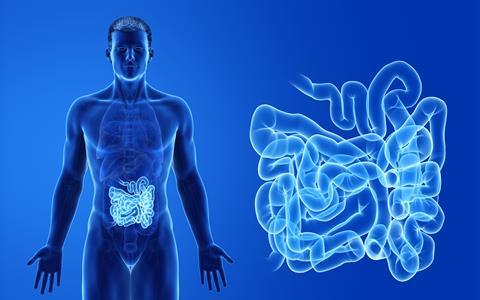
Researchers have developed an expandable line of intestinal support cells that can sustain laboratory-grown gut organoids without the growth-factor supplements typically required, offering a new model for investigating intestinal stem-cell maintenance and tissue regeneration.
The study was led by Dr Michal Shoshkes-Carmel and PhD students Marco Canella and Amal Gharbi at the Institute for Medical Research Israel-Canada, Hebrew University Medical School, alongside colleagues from The Organoid Center at Hadassah-Hebrew University Medical Organization.
The findings could provide researchers with a more accessible way to investigate the cellular environment that supports intestinal stem cells and maintains the gut lining.
Recreating the intestinal stem-cell niche
The growth of intestinal organoids, often referred to as ‘mini-guts’, typically relies on supplements containing growth factors to maintain stem-cell function and support tissue renewal.
In the body, however, intestinal stem cells receive essential signals from neighbouring cells within a specialised environment known as the stem-cell niche.
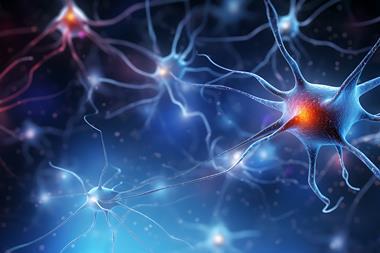
Telocytes are an important component of this niche. These support cells form networks beneath the intestinal lining, using their long, branching extensions and secreted signals to help maintain the stem cells responsible for continually renewing gut tissue.
However, telocytes are difficult to isolate and maintain in laboratory conditions. They occur in relatively low numbers and have limited capacity to multiply, making it challenging to obtain sufficient cells for reproducible experiments.
To address this, the researchers developed an immortalised telocyte cell line, modifying the cells so they could continue multiplying in culture while retaining important characteristics associated with their natural function. These included their branching extensions, interconnected networks and expression of genes linked to intestinal stem-cell support.
Supporting organoid growth without supplements
The team investigated whether the immortalised telocytes could provide the signals normally supplied through growth-factor supplements.
Intestinal organoids grown in basic culture medium without additional support factors died within 48 hours. However, when cultured alongside the immortalised telocytes, the organoids survived and continued growing without these supplements.
At later time points, their size was comparable to organoids maintained in conventional growth-factor-supplemented medium.
The researchers also tested the system using human colon organoids. These failed to persist in basic medium alone but survived and grew when telocytes were introduced, although the assessment was limited to a short experimental period.
“Intestinal stem cells depend on essential signals from telocytes: eliminating these support cells or blocking their secretion of Wnt signals disrupts stem cell function,” Dr Shoshkes-Carmel said. ”Yet telocytes are exceptionally difficult to grow and study in the laboratory. By creating an expandable telocyte line, we now have a practical tool for investigating how these cells help sustain the intestinal lining and how their signals may contribute to tissue repair.”

Source: Credit: Marco Canella
Human colon organoids (bright-field), co-cultured with telocytes (green), exhibited sustained growth without additional growth factors.
A new model for studying tissue regeneration
Beyond supporting organoid survival, the telocytes appeared to influence tissue development. Human colon organoids grown alongside the cells displayed both rounded and budding structures, as well as differences in the distribution of a signalling protein associated with stem-cell activity.
However, the model does not fully reproduce telocytes in the living intestine. Although the immortalised cells retained important structural and molecular characteristics, they lost some of their location-specific specialisations when grown independently. Their gene activity also shifted towards patterns associated with tissue injury and development.
The researchers suggest that interactions with intestinal cells may be needed to maintain these specialised identities, meaning the cell line offers a tool for investigating communication between intestinal stem cells and their supporting niche rather than a complete reconstruction of the living gut.
By making these previously difficult-to-grow cells more accessible, the model could help researchers investigate how niche-derived signals contribute to intestinal maintenance, regeneration and disease. The cell line is now available to researchers upon request, subject to a material transfer agreement.




No comments yet