



All Vaccine Development articles
-
 News
NewsNew P. vivax vulnerability could prevent liver-stage malaria infection
A newly identified epitope on the circumsporozoite protein of Plasmodium vivax could offer a route to vaccines that prevent liver-stage infection and curb the relapse-driven transmission cycle.
-
 News
NewsThree-signal method converts blood B cells into germinal centre-like cells
Researchers at the University of Osaka have developed a streamlined laboratory method that uses just three sequentially delivered signals to convert naive B cells from human blood into cells closely resembling germinal centre B cells.
-
 News
NewsVaccine adjuvant AS01 shown to induce trained immunity in monocytes
A preclinical study published in Myeloid Cells reports that AS01, a vaccine adjuvant system, can induce trained immunity in human monocytes and reduce tumour growth in selected mouse cancer models.
-
 News
NewsBCG and immunotherapy combination cuts tuberculosis relapse risk
Combining the BCG vaccine with a B-cell-targeting immunotherapy significantly reduced tuberculosis relapse rates in preclinical models.
-
 Article
Why more ribosomes can mean less protein in mRNA therapeutics
What happens when the cellular machinery making therapeutic proteins slows down? New research in Nature shows why translation speed could matter for the design of mRNA medicines.
-
 News
NewsUK’s first AI-robotic organoid lab opens in Liverpool
A £20 million high-security facility in Liverpool is set to accelerate drug and vaccine discovery by integrating artificial intelligence, robotics and human organoid technology within a Category 3 containment environment.
-
 News
NewsPeptide vaccine targeting PCSK9 reduces cholesterol and atherosclerotic plaque in mice
A structure-guided peptide vaccine targeting PCSK9 has reduced LDL cholesterol and atherosclerotic plaque burden in mouse models, offering a potential longer-lasting alternative to existing PCSK9-targeting biologics, though primate results remain inconclusive.
-
 News
NewsScientists identify a new vaccine design strategy for stronger HIV immunity
Two preclinical studies published in Science Translational Medicine suggest that the binding strength and structural repetitiveness of vaccine nanoparticles could be a critical design parameter in the long-running effort to generate broadly neutralising antibodies against HIV.
-
 News
NewsPCSK9 peptide vaccine lowers LDL cholesterol in preclinical studies
A structure-guided peptide vaccine targeting PCSK9 has demonstrated durable antibody responses and reduced LDL cholesterol levels in mouse models of hypercholesterolaemia, offering a potential long-lasting alternative to current lipid-lowering therapies.
-
 News
NewsExperimental HIV vaccine generates broadly neutralising antibodies in primates
A collaborative research team from LJI, Scripps Research and IAVI has developed an experimental HIV vaccine that successfully generated broadly neutralising antibodies in rhesus macaques, marking a pivotal advance in the 14-year effort to design an effective HIV vaccine.
-
 News
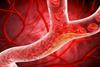
NewsPeptide vaccine targeting PCSK9 proves effective in cardiovascular disease models
A peptide vaccine targeting PCSK9 has demonstrated sustained antibody responses and reductions in LDL cholesterol and atherosclerotic plaque formation in animal models, offering a potential long-term alternative to current lipid-lowering therapies.
-
 News
NewsEpilepsy drug sodium valproate could improve vaccine immune responses
A commonly prescribed epilepsy drug has shown striking potential as a vaccine booster in a controlled human trial, more than doubling antibody levels and increasing T cell responses tenfold at a fraction of its standard therapeutic dose.
-
 News
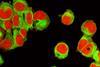
NewsmRNA vaccine shows promise against childhood neuroblastoma cancer
Preclinical study demonstrates effectiveness of experimental mRNA vaccine against neuroblastoma, reducing tumour size by 70 percent and delaying development. RCSI researchers used peptide nanoparticles targeting GPC2 protein to direct immune response against cancer cells, offering potential new treatment approach for aggressive childhood malignancy.
-
 News
NewsMessy lipid nanoparticles deliver RNA more effectively
New research shows that lipid nanoparticles used in mRNA vaccines may deliver RNA more effectively when their structure is disorganised.
-
 News
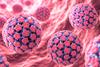
NewsHow vaccine structure shapes immune response to HPV tumours
Researchers have discovered that reorganising a single cancer-targeting peptide within a spherical nucleic acid vaccine dramatically boosts the immune system’s ability to attack HPV-driven tumours.
-
 News
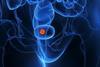
NewsVirus-mimicking LENN nanoparticles deliver mRNA to bladder cancer cells
Researchers have developed virus-inspired LENN nanoparticles that deliver mRNA therapies directly to bladder cancer cells, remain stable after freeze-drying and avoid triggering immune responses.
-
 Article
RNA that lasts longer and lands exactly where it should
RNA therapies are moving past burst-and-fade limits. New advances in circular RNA and targeted delivery could transform how we treat autoimmune disease, infections and beyond.
-
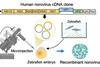 News
NewsNew reverse genetic system accelerates norovirus vaccine research
Researchers at The University of Osaka have developed a new system to study human norovirus, with the hope of being able to develop vaccines and antiviral treatments faster.
-
 News
NewsNew organ-on-a-chip captures ageing immune responses to cancer vaccines
Scientists have developed an organ-on-a-chip platform that replicates age-related immune decline, offering a long-missing tool for testing cancer vaccines in older adults.
-
 Article
RVX-001: a universal vaccine to tackle antimicrobial resistance
Drug-resistant infections are on the rise, endangering global health. Neil Murray from ReNewVax explains how the company’s universal pneumococcal vaccine, RVX-001, could reduce antibiotic use and help curb antimicrobial resistance.