



News – Page 7
-
 News
NewsScientists link IVNS1ABP gene to new ageing disorder
An international research team has identified a previously unknown genetic disease characterised by premature ageing and progressive neurological decline. Using genome sequencing combined with induced pluripotent stem cell technology, scientists traced the condition to a mutation in the IVNS1ABP gene and uncovered disrupted actin dynamics during cell division as the underlying pathological mechanism.
-
 News
NewsNew evidence links autoantibodies to Long COVID
Dutch researchers have demonstrated that IgG autoantibodies from Long COVID patients can induce persistent pain-like hypersensitivity in mice, with effects lasting at least two weeks. The study identifies distinct biological subgroups and suggests that autoimmune mechanisms may drive the condition’s diverse symptomatology, opening avenues for targeted immunotherapies.
-
 News
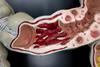
NewsAI discovers peptide that eases ulcerative colitis symptoms
Researchers at First Hospital of Jilin University have used machine learning to identify antimicrobial peptides with therapeutic potential for ulcerative colitis. The AI-driven approach screened over 6,000 candidates, identifying a lead peptide that demonstrated superior efficacy to standard treatments in preclinical models by reducing inflammation, restoring gut barrier integrity and selectively modulating the microbiome.
-
 News
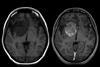
NewsCD47 protein found to drive glioblastoma growth
University of Adelaide researchers have discovered that CD47, a protein known for helping cancer cells evade immune detection, also directly promotes glioblastoma growth and invasion through a novel molecular pathway involving ROBO2 stabilisation.
-
 News
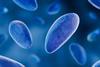
NewsToxoplasma cell cycle mapped for next-generation therapies
University of South Florida researchers have adapted fluorescent imaging to visualise the cell cycle of Toxoplasma gondii in real time, revealing an unusual branching growth pattern that enables rapid multiplication. The breakthrough could identify new therapeutic targets for toxoplasmosis, which affects one-third of the global population and has limited treatment options once chronic.
-
 News
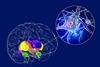
NewsBlocking protein pathway may slow Huntington’s disease
Researchers have identified a previously unknown cellular mechanism involving tunnelling nanotubes and the protein SLC4A7 that enables toxic huntingtin to spread directly between neurons, offering new therapeutic targets for Huntington’s disease.
-
 News
NewsBiomarker discovery may improve schizophrenia treatment
Northwestern University scientists have identified a circulating brain protein biomarker that is significantly reduced in schizophrenia patients and developed a synthetic therapeutic that corrected abnormal brain activity in preclinical models, offering hope for treating the disorder’s debilitating cognitive symptoms.
-
 News
NewsGut microbes found to drive chronic kidney disease
A newly discovered feedback loop between impaired kidney function and gut bacteria may drive disease progression through toxic compound production. UC Davis researchers have identified a potential therapeutic target to interrupt this damaging cycle.
-
 News
NewsPRI-101 could become first disease-modifying Parkinson’s drug
Biotechnology company Priavoid GmbH has announced proof-of-concept data for PRI-101, an orally available peptide drug targeting neurodegeneration. Preclinical studies demonstrate the experimental therapy reduces toxic α-synuclein aggregates across multiple Parkinson’s disease models, with evidence of blood-brain barrier penetration and improved survival outcomes.
-
 News
NewsNew AI-designed T-cell engager LGTX-101 to be presented at AACR in San Diego
LabGenius Therapeutics will present preclinical data for LGTX-101, its AI-designed Nectin-4 x CD3 T-cell engager, at AACR 2026 in San Diego.
-
 News
NewsProbiotic bacteria successfully attacks tumours in preclinical models
Engineered probiotic bacteria that can deliver cancer-fighting drugs directly to tumours have shown promising results in mice, offering a potential new approach to targeted cancer therapy.
-
 News
NewsSonoPIN ultrasound method shows promise for targeted cancer therapy
A new ultrasound-based technique developed by researchers at Duke University uses microbubbles to deliver cancer drugs directly into tumour cells, showing promise for highly targeted treatments that cause minimal damage to healthy tissue.
-
 News
NewsELRIG announces keynote speakers for Advances in Cell-based Screening 2026 in Gothenburg
ELRIG has announced the keynote speakers for its 2026 Advances in Cell-based Screening conference in Gothenburg, where scientists will gather to explore how human-first models, advanced cell biology and AI are changing the future of drug discovery.
-
 News
NewsNew RNA injection could help hearts heal after heart attacks
A new RNA-based therapy developed at Columbia University could help the heart repair itself after a heart attack without invasive surgery.
-
 News
NewsNew drug delivery system boosts paclitaxel cancer treatment
Researchers at Osaka Metropolitan University have developed a novel drug delivery system that improves the solubility of the anticancer drug paclitaxel.
-
 News
NewsLight-driven chemistry offers faster, greener drug design
Scientists at the University of Cambridge have developed a light-powered method to modify complex drug molecules without toxic chemicals, enabling faster, cleaner and more efficient drug development.
-
 News
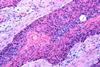
NewsScientists develop cream that triggers skin’s anti-cancer defence
A topical cream that activates the skin’s immune defences has been shown to suppress tumour growth in early models of cutaneous squamous cell carcinoma.
-
 News
NewsSimple amino acid mix dramatically improves gene therapy delivery
Scientists have discovered that adding a simple cocktail of three common amino acids to lipid nanoparticle injections can dramatically improve the delivery of mRNA and CRISPR therapies.
-
 News
NewsDeep-sea compound yaku’amide B shows new cancer-fighting mechanism
Japanese researchers have discovered how yaku’amide B, a rare compound from deep-sea sponges, targets aggressive cancer cells.
-
 News
NewsLab-made lncRNA could lead to new anti-inflammatory drugs
Scientists at the University of Toronto have created long noncoding RNA outside living cells for the first time, a breakthrough that has already produced experimental anti-inflammatory molecules.