New research from Johns Hopkins Medicine reveals that the enzyme BVRA protects brain cells from oxidative stress, allowing for potential new methods for treating neurodegenerative diseases like Alzheimer’s.

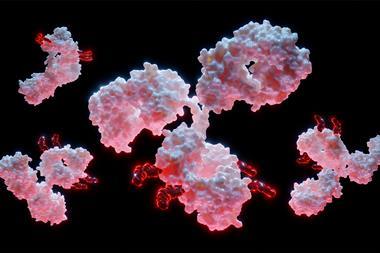
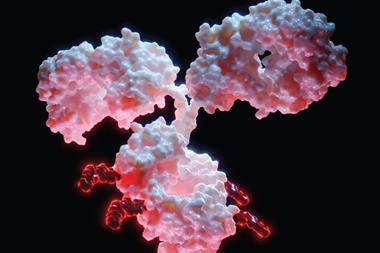
A new study from Johns Hopkins Medicine has revealed that the enzyme biliverdin reductase A (BVRA) plays a direct protective role against oxidative stress in neurons, separate from its well-known role in producing the yellow pigment bilirubin.
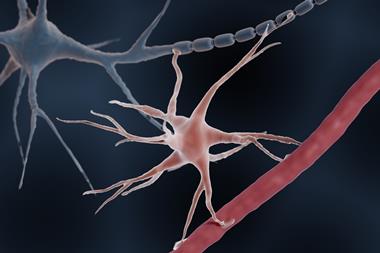
In experiments with genetically engineered mice, the researchers found that BVRA protects brain cells from oxidative stress – a hallmark of neurodegenerative disease – by modulating NRF2, a protein that regulates protective proteins and antioxidants in cells.
“Our research identifies BVRA as a key player in cellular defence with profound implications for aging, cognition and neurodegeneration,” said Dr Bindu Paul, MS, Associate Professor of Pharmacology, Psychiatry and Neuroscience at the Johns Hopkins University School of Medicine, who led the study.
Building on previous work
The new research builds on previous NIH-funded studies at Johns Hopkins, which indicated that bilirubin acts as an antioxidant in the brains of mice. More recently, a report showed that the pigment also protects against the most severe effects of malaria in mice.
The new research builds on previous NIH-funded studies at Johns Hopkins, which indicated that bilirubin acts as an antioxidant in the brains of mice.
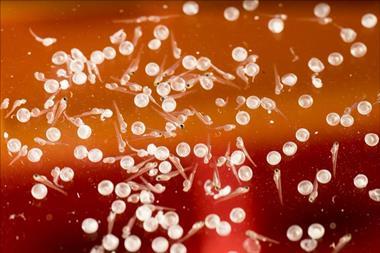
In the recent study, scientists first created mice lacking both BVRA and NRF2. None of these mice survived, suggesting the two proteins interacted with one another in essential ways.
Next, mice engineered to lack only BVRA were studied. In these animals, NRF2 malfunctioned, and its target genes produced fewer antioxidants. Cell culture experiments further revealed that BVRA and NRF2 physically bind, regulating genes involved in brain cell protection. These genes include those associated with oxygen transport, immune signalling and mitochondrial function – the ‘powerhouse’ of cells.
Cell culture experiments further revealed that BVRA and NRF2 physically bind, regulating genes involved in brain cell protection.
Most importantly, BVRA’s protective function did not require the production of bilirubin. The team produced BVRA mutant’s incapable of making bilirubin, yet these mutants retained the ability to regulate NRF2 and protected neurons in mice.
“This work shows that BVRA does more than produce bilirubin and is actually a molecular integrator of key cellular processes that help protect neurons from damage,” said first author Dr Chirag Vasavda, MD, a physician at Harvard Medical School and Massachusetts General Hospital.
Future therapeutic potential
Looking ahead, Paul aims to study how the BVRA–NRF2 connection becomes disrupted in mouse models of Alzheimer’s disease. The research represents a years-long collaboration among scientists across multiple institutions, combining expertise in neuroscience, biochemistry, genomics and clinical medicine.
“Our efforts underscore the power of multidisciplinary collaboration fuelled by long-term investment in scientific research to address complex biological challenges,” said Paul.




Topics
- Disease Research
- Dr Bindu Paul (Associate Professor at Johns Hopkins University School of Medicine)
- Dr Chirag Vasavda (Physician at Harvard Medical School and Massachusetts General Hospital)
- Drug Targets
- Enzymes
- Harvard Medical School
- Massachusetts General Hospital
- Mitochondria
- Molecular Biology
- Neurological disorders
- Neuroprotection
- Neurosciences
- Pharmacology
- Translational Science