Researchers have discovered that dexamethasone, a widely used anti-inflammatory drug, could help combat metastases in hormone-resistant ER+ breast cancer.
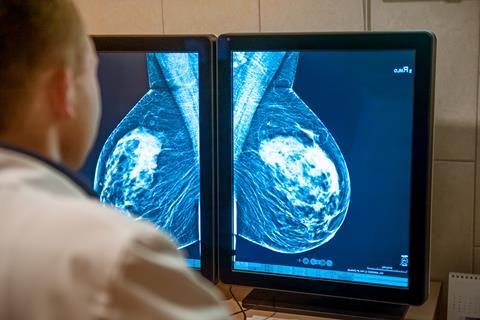
A new study by researchers at the University of Basel have found new evidence that dexamethasone – a synthetic compound that mimics the action of the body’s stress hormone, cortisol – could help combat treatment-resistant metastases in certain types of breast cancer.
Reassessing a familiar medication
Dexamethasone is used in clinical practice for its anti-inflammatory and immunosuppressive effects. However, scientists now believe it may also offer direct anti-cancer benefits for some patients with breast cancer.
Oestrogen receptor-positive (ER+) breast cancer is typically treated using anti-hormonal therapies designed to deactivate or degrade the oestrogen receptor. This receptor drives abnormal cell proliferation when overactive, making it a crucial target in slowing tumour growth. While many patients respond well to hormone therapy, a proportion develop metastases that eventually stop responding to these treatments.
Fewer metastases and longer survival in preclinical models
A researcher’s work suggests that dexamethasone can reduce therapy-resistant metastases and extend survival – at least in preclinical models.
A researcher’s work suggests that dexamethasone can reduce therapy-resistant metastases and extend survival – at least in preclinical models.
Using mice with hormone therapy-resistant ER+ tumours, the team observed that dexamethasone significantly reduced the development of liver metastases. The treated animals also survived for longer than the control group, pointing to a clear therapeutic effect.
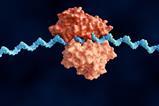
Further analysis revealed how dexamethasone achieves this benefit. The drug activates the glucocorticoid receptor, which in turn suppresses production of the oestrogen receptor. “As a result, the cancer cells lose the main driver of tumour growth,” explains Dr Madhuri Manivannan, lead author of the study.
Supporting evidence from patient-derived tissues
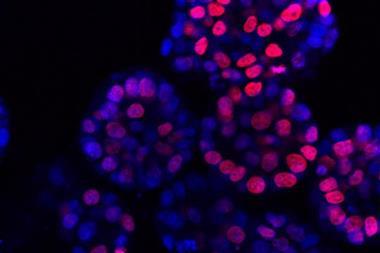
In addition to animal studies, the researchers examined patient-derived tumour samples grown as organoids – miniature, laboratory-grown tissue structures that closely mimic the behaviour of real tumours. When dexamethasone was introduced, the levels of oestrogen receptor in these organoids also decreased, reinforcing the findings from the mouse experiments.
Potential for repurposing a trusted drug
The implications of these results could be significant. “Dexamethasone could potentially directly support certain breast cancer therapies, not just as a concomitant treatment for nausea and inflammation,” says Dr Charly Jehanno, who led the research project. “However, these results, particularly the loss of oestrogen receptor, need now to be confirmed directly in patients with breast cancer”.
If further research confirms that dexamethasone inhibits metastasis in humans, it could enable scientists to repurpose this well-established medication as part of future breast cancer treatments.
Not suitable for all breast cancer types
Despite the encouraging findings, Dexamethasone’s effects do appear to vary significantly depending on the type of breast cancer. “Dexamethasone is an example of how the same drug can have very different effects on the course of the disease in different forms of breast cancer,” said Professor Mohamed Bentires-Alj, from the Department of Biomedicine at the University of Basel.
Dexamethasone’s effects do appear to vary significantly depending on the type of breast cancer.
As research continues, dexamethasone’s unexpected role in cancer therapy may become clearer – offering patients new treatment options whilst highlighting the importance of personalised treatment approaches.