New research suggests cannabis compounds CBD and THC could offer a new approach to treating ovarian cancer.
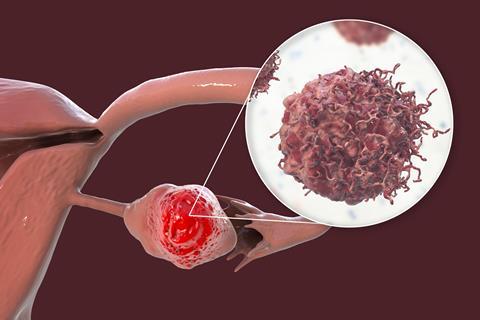
Scientists from Khon Kaen University in Thailand have found that two chemical compounds derived from cannabis may offer a new approach to treating ovarian cancer. In laboratory experiments, the compounds demonstrated significant anti-cancer effects against ovarian cancer cells, with the hope that they could one day be developed into new therapies for a disease that is very difficult to treat.
The research focused on cannabidiol (CBD) and delta-9-tetrahydrocannabinol (THC). While CBD is non-psychoactive, THC is responsible for the ‘high’ associated with cannabis. Both have previously shown potential against other forms of cancer, prompting researchers to investigate whether they might also be effective against ovarian cancer.
“Ovarian cancer remains one of the deadliest gynaecological malignancies, characterised by late diagnosis, high recurrence rates and limited effective treatment options,” said research leader, Dr Siyao Tong. “Our goal is to find alternative drugs that can improve efficacy and potentially reduce toxicity, ultimately bringing new hope to patients facing this challenging disease.”
A deadly illness with limited options
Ovarian cancer causes more deaths than any other cancer of the female reproductive system. Although treatments have improved in recent years, many patients do not respond well to existing drugs, which can also cause severe side effects. This has led scientists to urgently search for safer and more effective therapies.
Ovarian cancer causes more deaths than any other cancer of the female reproductive system.
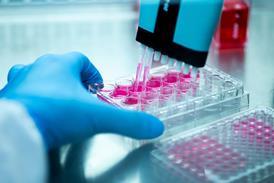
To test the potential of cannabis-derived compounds, the scientists studied two different ovarian cancer cell lines. One was sensitive to platinum-based chemotherapy, while the other was resistant, reflecting the diversity seen in patients. The cancer cells were exposed to CBD, THC, or a combination of both. A line of healthy cells was also tested to assess whether the compounds caused damage to non-cancerous tissue.
Stronger effects when compounds are combined
The results showed that cancer cells treated with CBD or THC formed fewer and smaller colonies, indicating reduced ability to survive and reproduce. While each compound alone had an effect, the most striking results came when CBD and THC were used together.
The results showed that cancer cells treated with CBD or THC formed fewer and smaller colonies, indicating reduced ability to survive and reproduce.
“Notably, the inhibitory effect was most pronounced when CBD and THC were used in a 1:1 ratio,” said Tong.
The combination was particularly effective at stopping cancer cell growth, even though neither compound on its own killed a large proportion of cells. The researchers suggest that CBD and THC may act through different biological mechanisms, boosting each other’s effects when combined.
Further tests showed that the compounds also reduced the ability of cancer cells to migrate, suggesting they could help prevent the spread of cancer to other parts of the body. As many ovarian cancer deaths are caused by metastasis, this finding could be especially significant.
Importantly, both cancer cell lines responded in a similar way, and the compounds had minimal effects on healthy cells, meaning that treatments based on CBD and THC could be less toxic than current therapies.
However, the researchers highlight that these experiments were conducted in vitro, so the results may not fully reflect the complexity of tumour behaviour in living organisms
 Cannabis-derived compounds THC and CBD have shown promising anti-cancer effects against ovarian cancer cells in laboratory studies. THC is psychoactive, while CBD is non-psychoactive, and researchers found the strongest effects when the two were combined.[/caption]
 Looking to the future
The researchers also examined how the compounds affected cell signalling pathways. They found evidence that CBD and THC helped normalise the PI3K/AKT/mTOR pathway, which is often overactive in ovarian cancer and linked to tumour growth and treatment resistance.
Despite these promising results, the scientists stress that much more research is needed before any clinical application. “Although our study is still preliminary, it lays an important foundation for future research into the potential applications of CBD and THC in ovarian cancer treatment,” said Tong.
Topics
- 3D Cell Cultures
- Cancer
- Cannabinoids
- Disease Research
- Dr Siyao Tong (Researcher at Khon Kaen University)
- Drug Development
- Drug Discovery
- Drug Discovery Processes
- Drug Leads
- Drug Targets
- In Vitro Testing
- Khon Kaen University
- Molecular Biology
- Neurological disorders
- Oncology
- Pharmacology
- Small Molecules
- Translational Science