
New research from the University of Illinois suggests that widely used drugs, including propofol and intranasal insulin, could help protect ageing brains from memory decline and postoperative cognitive impairment.
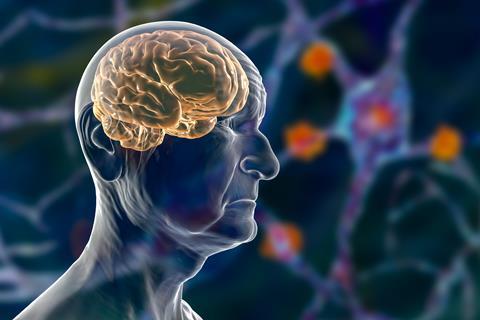
Simple pharmaceutical interventions could help ageing brains cope with memory impairment and recover more effectively after surgery, according to two new studies carried out by researchers at the University of Illinois Urbana-Champaign.
The research explored both postoperative cognitive impairment – a common problem among older adults – and general age-related memory decline, while also examining potential non-invasive ways to restore cognitive function.
“These studies provide a blueprint for further basic science studies that can identify compounds in preclinical tests that may eventually also be testable in humans,” said research leader Uwe Rudolph, professor and head of comparative biosciences at the University of Illinois.
Improving cognition after surgery
The first study focused on postoperative cognitive impairment. Temporary confusion and memory problems are common immediately after surgery, but longer-term effects are also well documented.
“Studies have found that 10 percent of adults over the age of 60 still have deficits to learning, memory and executive function three months after surgery,” Rudolph said. “If you then multiply that by the number of surgeries that are done on people 60 years and over, the number is very significant.”
Studies have found that 10 percent of adults over the age of 60 still have deficits to learning, memory and executive function three months after surgery.
The researchers examined the effects of propofol, a widely used general anaesthetic. Although high doses can be harmful, previous animal studies have suggested that lower or intermittent doses may improve cognition in models of Alzheimer’s disease.
To better reflect real-world conditions, the Illinois team performed actual surgery on older mice, rather than just administering anaesthesia.
“Other studies have been done on younger mice, or they used older mice and put them under anaesthesia but did not perform surgery. That makes it hard to separate what is attributable to the anaesthesia and what is due to the trauma of the surgery itself,” said Illinois postdoctoral researcher Rajasekar Nagarajan, the first author of both papers.
Mice given intermittent doses of propofol starting before surgery performed better on a range of cognitive tasks afterwards. The benefits persisted for up to five days after dosing, even though the drug itself is cleared from the body within hours.
Molecular changes in the brain
Analysis of brain tissue revealed that propofol increased levels of specific receptors for the neurotransmitter GABA on neurons in the hippocampus, a region central to learning and memory. The treated mice also showed reduced markers of inflammation and cell death.
“It is well known that general anaesthesia and surgery may result in cognitive impairments, especially in older individuals. It is surprising and interesting that a general anaesthetic like propofol actually can improve cognitive function after surgery in aged individuals,” Nagarajan said. “We are currently doing experiments with a compound that specifically increases the activity of the GABA receptor subtype that is increased after a single administration of propofol. Such a compound may help prevent postoperative cognitive deficits and potentially could be useful clinically.”
Tackling age-related memory decline
In a second study, the researchers examined whether intranasal insulin could alleviate age-related memory impairment. Using a ‘pseudo-aged’ mouse model that mimics hippocampal ageing, they administered insulin via nasal spray for nine days.
The treatment produced no significant changes in healthy control mice. However, pseudo-aged mice showed clear improvements in working memory, recognition memory and associative memory.
Next, we want to study whether alpha-5 GABA-A receptors, which propofol increased on the neural surface, are involved in the action of intranasal insulin.
Further analysis revealed that ageing was associated with increased markers of neural inflammation, which intranasal insulin successfully reversed. Taken together, the findings indicate that intranasal insulin could offer a non-invasive treatment strategy for reducing age-related cognitive decline by regulating inflammation in the brain.
“There are some indications that intranasal insulin has similar effects as propofol for cognition after surgery as well,” said Rudolph. “Next, we want to study whether alpha-5 GABA-A receptors, which propofol increased on the neural surface, are involved in the action of intranasal insulin. We also want to identify the exact neuron subtype in the hippocampus that is responsible for these effects.”
Topics
- Analytical Techniques
- Drug Development
- Drug Discovery Processes
- Drug Targets
- In Vivo Testing
- Memory Impairment
- Molecular Biology
- Neurological disorders
- Neuroprotection
- Neurosciences
- Pharmacology
- Rajasekar Nagarajan (postdoctoral researcher at the University of Illinois)
- Rare & Genetic Disorders
- Stem Cells
- the University of Illinois Urbana-Champaign
- Translational Science
- Uwe Rudolph (rofessor and head of comparative biosciences at the University of Illinois)