Researchers have developed virus-inspired LENN nanoparticles that deliver mRNA therapies directly to bladder cancer cells, remain stable after freeze-drying and avoid triggering immune responses.
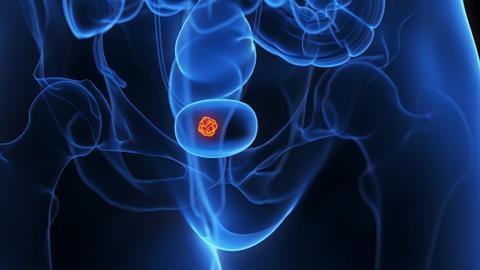
A team at Purdue University has developed a patent-pending, virus-mimicking platform technology that could adapt the way messenger RNA (mRNA) therapies are delivered to bladder cancer cells. The research demonstrates that this new system, known as layer-by-layer elastin-like polypeptide nucleic acid nanoparticles (LENN), offers significant advantages over traditional delivery methods.
The study details LENN’s performance across multiple parameters, including size, targetability, encapsulation efficiency, complex stability, gene expression and environmentally friendly ‘green’ manufacturability.
Freeze-drying retains activity
The researchers demonstrated that the LENN system can be freeze-dried into a powder, stored for several days and rehydrated without loss of biological activity. They also showed that the bio-manufacturable platform selectively targets tumour tissue and enters cancer cells through their natural pathways, without triggering an immune response. Once inside the cells, LENN delivers the mRNA payload, enabling expression of the encoded protein.
Once inside the cells, LENN delivers the mRNA payload, enabling expression of the encoded protein.
“These results could address challenges faced by lipid nanoparticle delivery systems, which must be continuously stored as liquids below minus 45 degrees C to maintain their activity,” said David Thompson, professor and member of the Purdue Institute for Cancer Research and the Purdue Institute for Drug Discovery. “Additionally, LENN system components are products of biological expression that enable a readily manufacturable delivery system.”
Lyophilisation and entry pathways
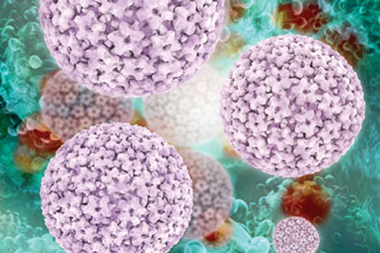
LENN particles mimic the multilayer structure of viruses, featuring two protective layers: an inner shell that condenses the mRNA therapies and an outer shell that shields them from degradation and immune detection.
“Concentrated formulations of LENN samples were diluted and initially frozen at minus 20 degrees C, followed by cooling to minus 80 degrees C and lyophilisation overnight. The lyophilised powders were stored at minus 20 degrees C for three days,” said Saloni Darji, a commercialisation postdoctoral research associate at Purdue University, and the paper’s lead author.
The research team specifically studied bladder cancer cells because they present major challenges for targeted delivery.
After rehydration, the LENN formulations were tested for structural integrity and encapsulation efficiency, showing that they maintained their functionality even after lyophilisation. This indicated that the system could be a functional mRNA delivery vector suitable for therapeutic applications requiring long-term storage.
The research team specifically studied bladder cancer cells because they present major challenges for targeted delivery. LENN nanoparticles can direct mRNA to specific cell types by recognising unique surface markers. In bladder cancer cells, the system targets a key receptor on the tumour cell and enters precisely through its natural cellular pathway.
Scientific collaboration
In practice, Christina Ferreira, assistant research professor at Bindley Bioscience Center used Purdue-developed multiple reaction monitoring (MRM) lipid analysis to study how bladder cancer cells process LENN particles.
“MRM profiling showed that LENN doesn’t alter the natural pathway of entry nor does it trigger any signs of an immune response, which would be a concern of long-term viability for this technology,” Thompson said. “Current viral vectors trigger an immune response, which means redosing is ineffective because the immune system clears the dosing the second time. Christina’s work gave insight that no immune reactions have been seen so far.”
Next steps
The project’s next phase will involve scaling up the system for preclinical evaluation which will involve testing both the effectiveness and safety of treatments in mouse models of bladder cancer. This will be conducted in partnership with Bennett Elzey from the Department of Comparative Pathobiology and the Purdue Institute for Cancer Research.
This research is part of Purdue’s One Health initiative, which integrates studies on human, animal and plant health.



Topics
- Artificial Intelligence & Computational Tools
- Biotechnology & Bioengineering
- Biotherapeutics
- Cancer
- Cell & Gene Therapy
- David Thompson (professor and member of the Purdue Institute for Cancer Research and the Purdue Institute for Drug Discovery)
- Drug Delivery
- Drug Development
- Drug Discovery Processes
- Immunogenicity Testing
- In Vivo Testing
- Molecular Biology
- Nanomedicine
- Nanoparticles
- Nanotechnology
- Neurological disorders
- Oncology
- Patents
- Purdue University
- RNAs
- Saloni Darji (commercialisation postdoctoral research associate at Purdue University)
- Translational Science
- Vaccine Development