


All Enzymes articles
-
 News
DUSP4 protein identified as key to preventing CAR T cell exhaustion
A protein called DUSP4 has been found to help CD8+ T cells resist exhaustion in the tumour microenvironment, with researchers demonstrating that boosting its activity enhances the performance of engineered CAR T cells against colorectal cancer.
-
 News
Triptolide plant compound could improve response to epigenetic cancer drugs
Researchers at Johns Hopkins have identified a natural plant compound capable of blocking an enzyme that degrades DNA methyltransferase inhibitors, offering a potential strategy to overcome resistance to epigenetic cancer therapies.
-
 News
Novel RNA-protein interactions reveal conserved SARS-CoV-2 antiviral targets
A new study has mapped previously unknown RNA-protein interactions across the SARS-CoV-2 genome, identifying conserved sites involving RdRp and the nucleocapsid protein as potential antiviral drug targets less susceptible to mutational escape.
-
 News
Hidden bacterial compounds reveal potential cancer drug leads
Researchers have discovered a new family of bacterial natural products that bind the cancer-associated enzyme AKR1C3, revealing potential starting points for drug discovery.
-
 News
Researchers solve 30-year mystery of key inflammatory enzyme gene
A gene responsible for producing a critical enzyme in inflammatory signalling has been identified after more than 30 years, with findings suggesting the pathway acts as both an immune alarm and a cellular shield with implications for cancer, IBD and asthma.
-
 News
BCAT1 enzyme identified as fibrosis target after heart attack
Researchers at Nagoya University have identified BCAT1, an enzyme involved in proline supply for collagen synthesis, as a potential target for reducing cardiac fibrosis following myocardial infarction.
-
 News
Bacterial enzyme found to weaken gut protective hormone signal
A bacterial enzyme produced by Bacteroides vulgatus has been shown to inactivate the intestinal hormone GLP-2, disrupting gut barrier function and aggravating colitis in a preclinical model — with a natural product inhibitor identified as a potential intervention.
-
 News
Salk researchers uncover how interferons switch from anti- to pro-cancer
Researchers at the Salk Institute have identified a cellular pathway through which prolonged interferon exposure triggers mitochondrial dysfunction, PGE2 production and suppression of anti-tumour immunity – offering a potential strategy for overcoming immunotherapy resistance.
-
 News
New LOX target discovery could help overcome chemotherapy-resistant breast cancer
A preclinical study has identified lysyl oxidase as an intracellular survival factor in triple-negative breast cancer, with researchers demonstrating that sequentially blocking LOX and a compensatory ferroptosis defence pathway significantly suppresses tumour growth without chemotherapy.
-
 News
Amino acid sensor discovery could unlock new targeted cancer therapies
Researchers have uncovered how cells sense amino acids and activate the mTORC1 growth pathway, identifying LARS1 phosphorylation as a critical upstream switch with implications for more precise cancer drug development.
-
 News
New drug target identified to protect hearts in DMD patients
Researchers at the University of South Florida have identified NOX4 as a potential therapeutic target for DMD-related cardiomyopathy, with experimental drug Setanaxib demonstrating cardioprotective effects in preclinical models.
-
 News
15-PGDH enzyme inhibition protects brain cells in Parkinson’s disease models
Researchers have identified 15-PGDH enzyme inhibition as a neuroprotective strategy in Parkinson’s disease, with repurposable compounds already in clinical development offering a potential shortcut to disease-modifying therapies.
-
 News
Researchers reveal how entinostat disrupts pancreatic cancer repair
Scientists at the Salk Institute have discovered how the investigational HDAC inhibitor entinostat disrupts DNA repair mechanisms in pancreatic cancer cells, potentially enabling more effective combination therapies with reduced toxicity through novel nanoparticle delivery systems.
-
 News
Cholesterol trafficking disruption targets TP53-mutant cancers
Scientists have identified a mechanism to starve aggressive cancers by blocking cholesterol transport within tumour cells, offering a targeted approach for malignancies carrying TP53 mutations, present in half of all cancers.
-
 News
Molecular switch discovery could lead to new bone disease treatments
A molecular switch that activates an alternative energy-burning pathway in brown fat has been identified by McGill University researchers, offering potential new approaches to treating bone disease and metabolic disorders through the TNAP enzyme’s glycerol pocket.
-
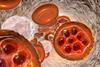 News
Novel enzyme inhibitors exploits key weakness in malaria parasite
Researchers from the Universities of Bath and Leeds have engineered a novel class of aminopeptidase P inhibitors with enhanced binding affinity and antiparasitic activity against Plasmodium falciparum.
-
 Interview
Physics-based modelling offers a new way to study drug targets
Australian start-up OmnigeniQ has demonstrated what it describes as the first deterministic, physics-based computation of a human protein in its native state.
-
 News
New drug delivery system boosts paclitaxel cancer treatment
Researchers at Osaka Metropolitan University have developed a novel drug delivery system that improves the solubility of the anticancer drug paclitaxel.
-
 News
Scientists develop cream that triggers skin’s anti-cancer defence
A topical cream that activates the skin’s immune defences has been shown to suppress tumour growth in early models of cutaneous squamous cell carcinoma.
-
 Interview
Why PDE4B matters in the search for better IPF and PPF therapies
Could targeting a single enzyme play a role in slowing lung fibrosis? Boehringer Ingelheim’s research into PDE4B is offering promising clues.