



Research co-led by Mayo Clinic and Michigan State University has shown that tranexamic acid, already used to control surgical bleeding, may significantly reduce post-hepatectomy liver failure by modulating the fibrinolytic system.
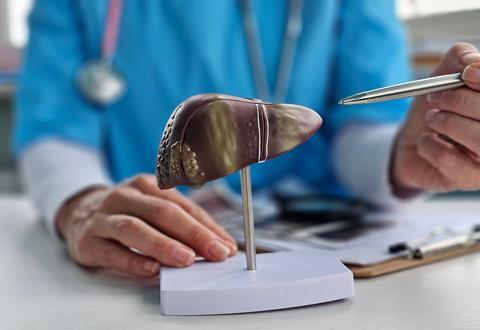
A widely available and inexpensive medication could significantly reduce the risk of one of the most serious complications following liver surgery, according to new international research.
A multi-centre study, co-led by researchers at Mayo Clinic and Michigan State University, found that patients who received tranexamic acid during liver surgery were three times less likely to develop post-hepatectomy liver failure than those given a placebo.
Post-hepatectomy liver failure is one of the leading causes of death after liver resection and is considered one of the most serious complications associated with the procedure. Despite its severity, there are currently no approved medicines specifically designed to prevent the condition.
New approach to liver recovery
The research provides both mechanistic and clinical evidence that targeting the body’s fibrinolytic system, which helps break down blood clots, may improve liver regeneration and lower the risk of liver failure following surgery.
Tranexamic acid works by preventing the breakdown of blood clots and is already widely used to control or prevent excessive bleeding in trauma, childbirth, heavy menstrual periods and during dental and surgical procedures.
“The possibility that a widely available, low-cost medication could substantially reduce this risk is exciting because it has the potential to improve outcomes for patients undergoing surgery for liver cancer and other serious liver diseases,” says Dr Patrick Starlinger, a hepatobiliary and pancreas surgeon at Mayo Clinic in Rochester and co-senior author of the study.
When part of the liver is removed to treat cancer or other diseases, the remaining tissue must regenerate to restore normal organ function. However, in some patients, this regeneration does not occur effectively, resulting in liver failure.
Challenging long-held assumptions
Researchers initially discovered in preclinical models that temporarily reducing plasminogen, a protein involved in the fibrinolytic system, enhanced liver regeneration following liver resection.
They then examined data from the HeLiX trial, a large international clinical study in which patients undergoing liver resection received either tranexamic acid or a placebo. The analysis found that the protective effect of tranexamic acid was most pronounced among patients with impaired liver function before surgery, a group already known to face a particularly high risk of developing post-hepatectomy liver failure.
The findings also challenge a long-standing belief about the role of plasminogen in liver regeneration.
“For decades, the field believed plasminogen was necessary for liver regeneration based on preclinical models,” says Dr Starlinger. “By using a more precise and reversible approach, we found the opposite effect. Our findings open a new avenue for understanding how the body’s clotting and fibrinolytic systems influence liver recovery after surgery.”
Further research needed
While the results are promising, additional clinical studies will be needed before tranexamic acid could become a standard treatment to prevent post-hepatectomy liver failure.
They believe the findings provide a strong foundation for future trials focusing on patients who are most vulnerable to complications following liver surgery.
“While these findings need to be confirmed in a dedicated clinical trial, they provide a strong rationale for evaluating whether tranexamic acid can help protect patients from one of the most feared complications in liver surgery,” said Dr Starlinger.







No comments yet