



All Translational Science articles – Page 6
-
 Article
Replacing animals in science: what the UK’s new strategy means
The UK has set out a strategy to replace animal testing, but delivering change will depend as much on regulation as on technology. Dr Emma Grange, Director of Science and Regulatory Affairs at Cruelty Free International, examines what the policy signals for research, drug discovery and safety assessment.
-
 News
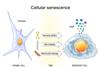
NewsTargeting senescent cells may reduce postpartum breast cancer risk
A study from the Institut Pasteur reveals how cellular senescence during mammary gland involution after pregnancy may both aid tissue repair and promote postpartum breast cancer.
-
 News
News$3.2m project targets aggressive MDM2 in breast cancer
A University of Houston scientist has joined a $3.2 million research collaboration to develop a new drug targeting one of the key drivers of triple-negative breast cancer.
-
 News
NewsInsilico and MSK partner on AI research for gastroesophageal cancer
A new research collaboration between Insilico Medicine and Memorial Sloan Kettering Cancer Center aims to harness generative AI technology to identify novel therapeutic targets for gastroesophageal cancers.
-
 News
NewsAMD3100 drug could boost immunotherapy in rare liver cancer
A rare liver cancer that primarily affects young people may soon have a new treatment option, after researchers found that an existing FDA-approved drug could enable immunotherapy to work effectively against tumours.
-
 News
NewsNew organoid model helps test spinal cord regeneration drugs
Northwestern scientists have grown human spinal cord organoids to test therapies that could reduce scarring and promote nerve regrowth in patients.
-
 Article
Engineering the next generation of T-cell engagers
T-cell engagers are a branch of immunotherapy that has undergone considerable change since their clinical inception. Andrew J Souers, VP, Oncology Discovery Research at AbbVie, elucidates the current understanding of their biology and expanding focus areas of application.
-
 News
NewsNew OC-PAM AI tool tracks cancer organoid drug response
Scientists have developed an AI-enhanced imaging platform that enables non-invasive, label-free and longitudinal monitoring of cancer organoids and spheroids.
-
 News
NewsMemory-linked brain cells offer new obesity target for future therapies
Scientists have identified a brain circuit that connects contextual memory with appetite, advancing understanding of binge eating and obesity while highlighting a promising new target for drug discovery.
-
 News
NewsNew SerpinB2 immune cell discovery could reverse type 2 diabetes
Researchers at the University of Pittsburgh School of Medicine have developed a new approach for tackling insulin resistance and type 2 diabetes by protecting beneficial immune cells in fat tissue.
-
 News
NewsSiglec-15 identified as key target in paediatric brain cancer
Scientists have identified a previously unknown lysosomal signalling pathway that drives growth in drug-resistant SHH medulloblastoma, which could lead to more precise and less harmful treatments for children with aggressive brain tumours.
-
 News
NewsWhy ageing must become central to Parkinson’s research
An international team of scientists is urging researchers to put ageing at the centre of Parkinson’s studies, arguing that it has been overlooked for too long.
-
 Article
AI begins to enter Alzheimer’s drug discovery pipelines
Artificial intelligence is increasingly used to analyse large, multimodal Alzheimer’s datasets and inform target discovery and trial design. A new JPAD special issue highlights how these methods are moving from experimentation towards practical application in drug discovery.
-
 News
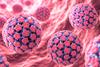
NewsHow vaccine structure shapes immune response to HPV tumours
Researchers have discovered that reorganising a single cancer-targeting peptide within a spherical nucleic acid vaccine dramatically boosts the immune system’s ability to attack HPV-driven tumours.
-
 News
NewsLaunaea herb could provide new treatments for peptic ulcers
A herb called Launaea nudicaulis could be used to treat peptic ulcers, with early research suggesting both gastroprotective benefits and potential applications in natural product drug discovery.
-
 News
NewsPromega launches live-cell platform to expand the druggable proteome
A new platform from Promega enables scientists to measure compound binding directly in living cells, helping to translate biochemical hits into more reliable drug discovery decisions.
-
 News
NewsDrug Target Review’s women in STEM
For International Day of Women and Girls in Science, Drug Target Review highlights articles published over the past year that were authored by women, celebrating their contributions to research.
-
 News
NewsNew SHANK3 conditional knockout mouse model launched for PMS research
A new SHANK3 conditional knockout mouse model from InnoSer, CureSHANK and Ozgene has been launched to advance research into Phelan-McDermid syndrome, other neurodevelopmental disorders and the development of new therapies.
-
 News
NewsTangible Scientific launches platform to streamline compound logistics
A new US-based company has launched with the aim of tackling one of the most persistent operational challenges in modern drug discovery – the slow and fragmented handling of physical compounds.
-
 News
NewsHDAC11 protein identified as potential target for Duchenne muscular dystrophy
A new preclinical study has shown that reducing the protein HDAC11 could slow muscle degeneration in Duchenne muscular dystrophy, providing a potential target for future therapies.