



All Translational Science articles – Page 3
-
 News
NewsScientists scale up neural organoid studies for drug testing
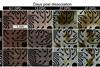
Researchers at King’s College London have developed a hybrid neural organoid approach that addresses longstanding limitations in scalability, reproducibility and longitudinal analysis. By dissociating 3D organoids and culturing pooled cells on microelectrode arrays, the team created 2D networks that retain cellular diversity whilst enabling consistent, long-term tracking of neural activity across parallel cultures.
-
 News
NewsImplantable ‘living pharmacy’ device produces multiple drugs inside the body
Scientists have developed an implantable device that acts as a ‘living pharmacy’, using engineered cells to continuously produce multiple therapeutic biologics inside the body. The wireless system, which generates its own oxygen supply, maintained stable drug levels for 30 days in preclinical studies.
-
 News
News$13.9M UCLA study maps autism and schizophrenia biology for drug discovery
A $13.9 million UCLA-led research programme will use CRISPR gene editing and ‘cell villages’ to systematically map the molecular differences underlying autism and schizophrenia, addressing the absence of medicines targeting the biological roots of both conditions.
-
 Article
Computational design drives new generation of synthetic promoters
Designing gene control from scratch is becoming possible. SynGenSys is using computational design to create synthetic promoters for advanced therapies.
-
 Interview
Physics-based modelling offers a new way to study drug targets
Australian start-up OmnigeniQ has demonstrated what it describes as the first deterministic, physics-based computation of a human protein in its native state.
-
 Article
Anticipating adaptation: understanding and overcoming cancer drug resistance
Neil Bhowmick explores how understanding the mechanisms of cancer drug resistance has reframed our approach to treatment, revealing containment and control as realistic goals for therapeutic strategies.
-
 Article
KMA and LMA antigens emerge as high value targets for plasma cell dyscrasia treatment
Research published in Clinical Lymphoma, Myeloma and Leukemia identifies Kappa Myeloma Antigen and Lambda Myeloma Antigen as highly selective immunotherapy targets across plasma cell dyscrasias.
-
 News
NewsNew evidence links autoantibodies to Long COVID
Dutch researchers have demonstrated that IgG autoantibodies from Long COVID patients can induce persistent pain-like hypersensitivity in mice, with effects lasting at least two weeks. The study identifies distinct biological subgroups and suggests that autoimmune mechanisms may drive the condition’s diverse symptomatology, opening avenues for targeted immunotherapies.
-
 News
NewsAI discovers peptide that eases ulcerative colitis symptoms
Researchers at First Hospital of Jilin University have used machine learning to identify antimicrobial peptides with therapeutic potential for ulcerative colitis. The AI-driven approach screened over 6,000 candidates, identifying a lead peptide that demonstrated superior efficacy to standard treatments in preclinical models by reducing inflammation, restoring gut barrier integrity and selectively modulating the microbiome.
-
 News
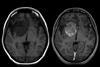
NewsCD47 protein found to drive glioblastoma growth
University of Adelaide researchers have discovered that CD47, a protein known for helping cancer cells evade immune detection, also directly promotes glioblastoma growth and invasion through a novel molecular pathway involving ROBO2 stabilisation.
-
 News
NewsToxoplasma cell cycle mapped for next-generation therapies
University of South Florida researchers have adapted fluorescent imaging to visualise the cell cycle of Toxoplasma gondii in real time, revealing an unusual branching growth pattern that enables rapid multiplication. The breakthrough could identify new therapeutic targets for toxoplasmosis, which affects one-third of the global population and has limited treatment options once chronic.
-
 News
NewsBiomarker discovery may improve schizophrenia treatment
Northwestern University scientists have identified a circulating brain protein biomarker that is significantly reduced in schizophrenia patients and developed a synthetic therapeutic that corrected abnormal brain activity in preclinical models, offering hope for treating the disorder’s debilitating cognitive symptoms.
-
 News
NewsGut microbes found to drive chronic kidney disease
A newly discovered feedback loop between impaired kidney function and gut bacteria may drive disease progression through toxic compound production. UC Davis researchers have identified a potential therapeutic target to interrupt this damaging cycle.
-
 Interview
From scientist to bioinformatician: how AI coding tools dissolved the activation energy barrier
A biotech CEO with decades of scientific experience but sporadic coding practice gained practical bioinformatics capabilities in six weeks using AI coding assistants.
-
 News
NewsNew AI-designed T-cell engager LGTX-101 to be presented at AACR in San Diego
LabGenius Therapeutics will present preclinical data for LGTX-101, its AI-designed Nectin-4 x CD3 T-cell engager, at AACR 2026 in San Diego.
-
 News
NewsProbiotic bacteria successfully attacks tumours in preclinical models
Engineered probiotic bacteria that can deliver cancer-fighting drugs directly to tumours have shown promising results in mice, offering a potential new approach to targeted cancer therapy.
-
 News
NewsSonoPIN ultrasound method shows promise for targeted cancer therapy
A new ultrasound-based technique developed by researchers at Duke University uses microbubbles to deliver cancer drugs directly into tumour cells, showing promise for highly targeted treatments that cause minimal damage to healthy tissue.
-
 Article
Why NMDA receptor modulation remains central to next-generation depression therapies
A key player in brain communication and mood regulation, the pharmaceutical industry views the NMDAR as the central pillar for next-generation therapies for depression. Dirk Beher from FundaMental Pharma reveals new strategies for targeting this important receptor.
-
 News
NewsNew RNA injection could help hearts heal after heart attacks
A new RNA-based therapy developed at Columbia University could help the heart repair itself after a heart attack without invasive surgery.
-
 News
NewsNew drug delivery system boosts paclitaxel cancer treatment
Researchers at Osaka Metropolitan University have developed a novel drug delivery system that improves the solubility of the anticancer drug paclitaxel.