

article
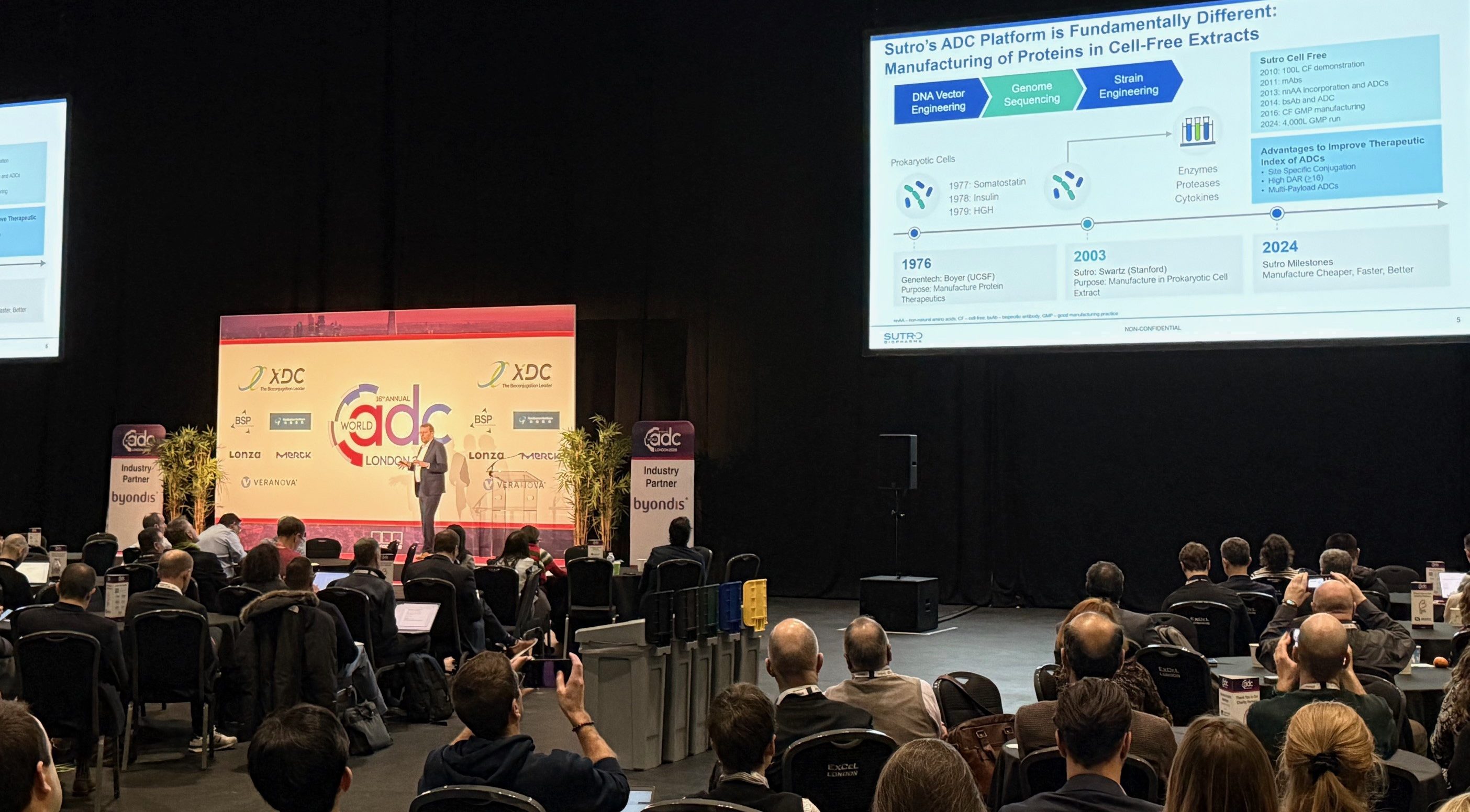
World ADC 2026: where antibody-drug conjugates are heading
At World ADC London 2026, experts highlighted how advances in payload design, targeting strategies and AI-driven discovery are changing antibody–drug conjugate development.
List view / Grid view
At World ADC London 2026, experts highlighted how advances in payload design, targeting strategies and AI-driven discovery are changing antibody–drug conjugate development.
Experts from the World ADC Conference in London highlight how patient-centric, predictive preclinical tools and innovative ADC designs are improving safety, efficacy and clinical translation.
2026 is set to be a pivotal year for drug discovery, with advances in NAMs and evolving regulatory approaches promising faster, safer early drug development and accelerated delivery of therapies for patients with rare or unmet medical needs.


With its lead candidate DM199, DiaMedica Therapeutics is advancing a recombinant form of KLK1 to restore blood flow, improve endothelial function and address unmet needs in the treatment of stroke and preeclampsia.
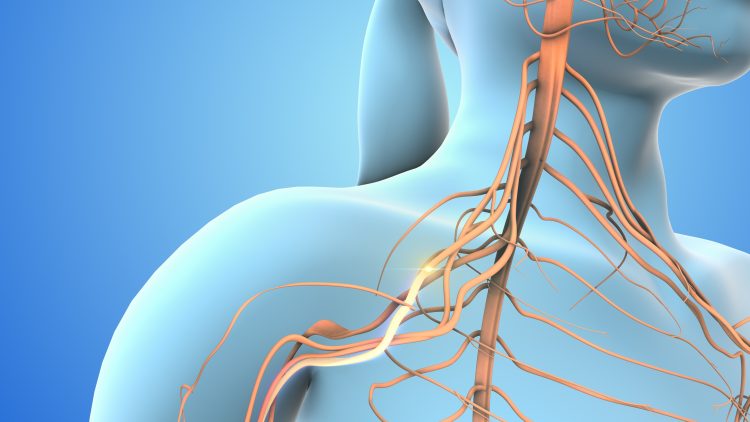
A newly developed peptide, WRPRFa, is giving scientists a clearer view of how the acid-sensing ion channel (ASIC3) drives pain signalling.
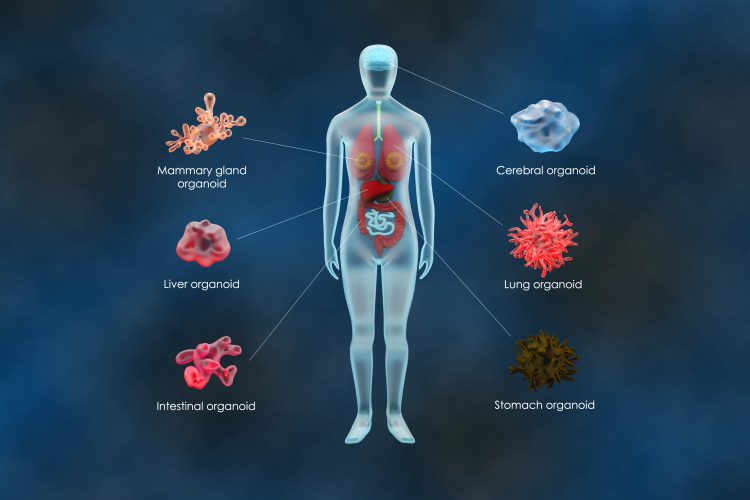
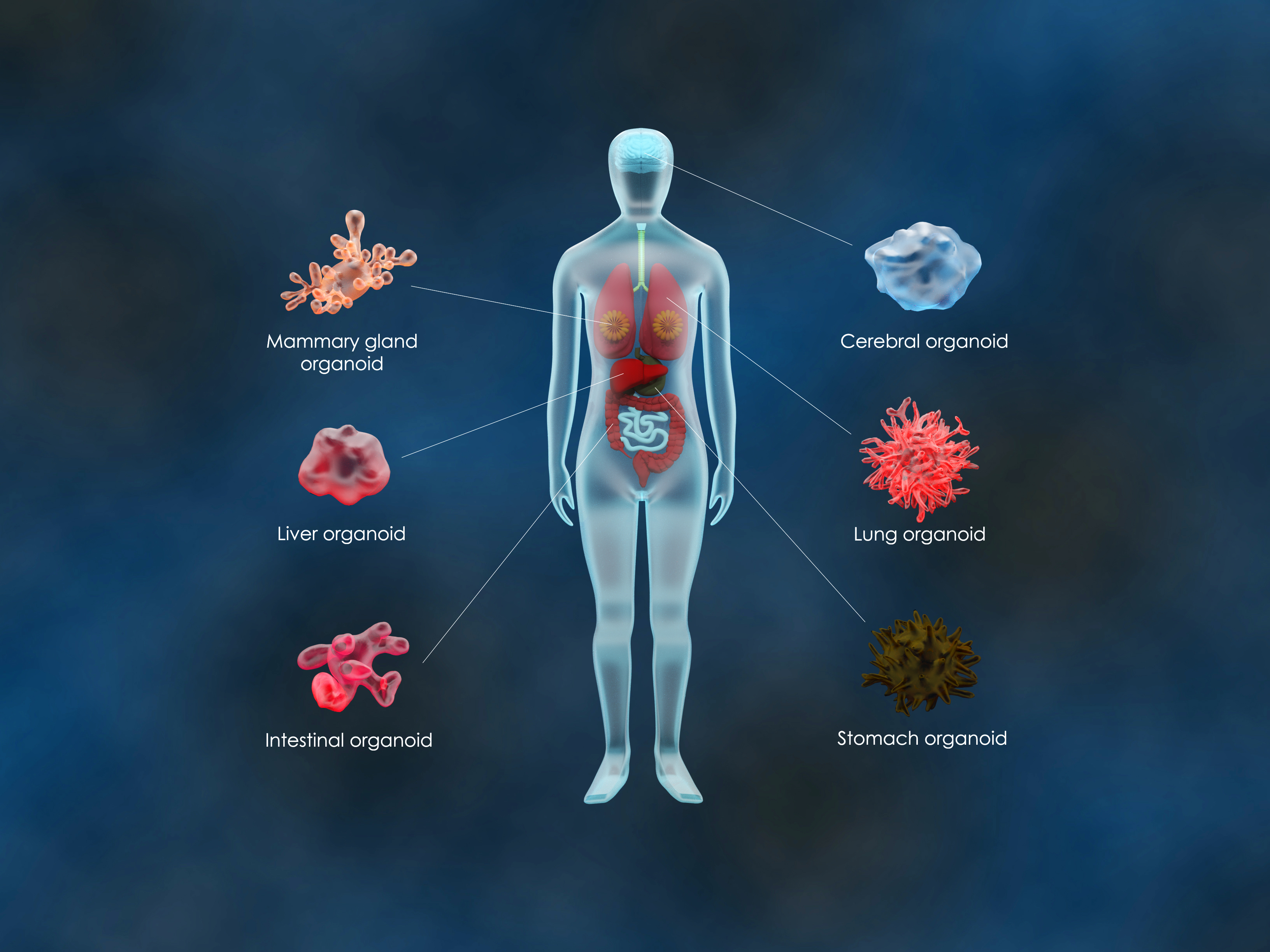
Organoids are changing the landscape of biomedical research, with automation and AI driving new levels of consistency, scalability and human relevance. Aaron Risinger of Molecular Devices discusses how these technologies are advancing precision medicine – and the challenges that remain.
AI is moving beyond drug design to answer a critical question: can a promising compound actually be manufactured at scale? By predicting synthetic feasibility early, machine learning tools are helping drug developers avoid costly failures, streamline R&D and design molecules that are both effective and practical to produce.
