



All Drug Targets articles – Page 9
-
 Article
How brain donation is driving autism research
To study the biological underpinnings of autism, researchers must examine the human brain itself. This article explores how Autism BrainNet supports this work through coordinated tissue donation and preservation.
-
 News
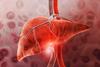
NewsNew molecular pathway links liver congestion to fibrosis
Japanese researchers have identified a molecular pathway linking chronic liver congestion to fibrosis and tumour formation, offering a potential new target for therapies to prevent serious liver disease.
-
 News
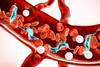
NewsPEX38 protein identified as drug target for trypanosome parasites
A newly identified protein essential to the survival of trypanosome parasites could offer a highly targeted route for future drug development.
-
 Article
Integrated proteo-transcriptomics reveals multiple therapeutic targets in Candida auris
Scientists at the Medical University of Vienna identify multiple mechanisms of multidrug resistance in Candida auris, revealing new therapeutic opportunities.
-
 News
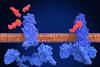
NewsNew precision GLP-1 agonist could reduce side effects in patients
Researchers have developed a novel GLP-1 receptor agonist that preserves blood sugar control while reducing nausea and vomiting, offering a potential safer approach to treating diabetes and obesity.
-
 News
NewsARK1 identified as target for future malaria drugs
Scientists have identified Aurora-related kinase 1 (ARK1) as a vital protein in malaria parasite development, a breakthrough that could enable future drugs designed to block transmission.
-
 Interview
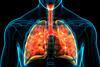
Why PDE4B matters in the search for better IPF and PPF therapies
Could targeting a single enzyme play a role in slowing lung fibrosis? Boehringer Ingelheim’s research into PDE4B is offering promising clues.
-
 News
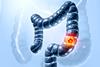
NewsBispecific EGFR/EphA2-targeting ADC shows promise in colorectal cancer
Promatix Biosciences Ltd has announced positive preclinical data for its first-in-class bispecific antibody–drug conjugate, PBS293-MMAE, demonstrating enhanced tumour selectivity, improved suppression and reduced toxicity in colorectal cancer models.
-
 Article
The map and compass: integrating BD&L early to de-risk drug discovery
In drug discovery, great science alone is not enough because commercial viability ultimately decides which programmes survive and attract partners. This Q&A explores how integrating Business Development and Licensing (BD&L) from the earliest stages can guide R&D strategy, sharpen decisions and de-risk the path to market.
-
 News
NewsLario raises $2.4m for neurological drug development
Lario Therapeutics has secured $2.4 million in funding from The Michael J. Fox Foundation for Parkinson’s Research and Wellcome to accelerate development of its neuronal calcium channel platform.
-
 News
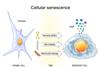
NewsTargeting senescent cells may reduce postpartum breast cancer risk
A study from the Institut Pasteur reveals how cellular senescence during mammary gland involution after pregnancy may both aid tissue repair and promote postpartum breast cancer.
-
 News
News$3.2m project targets aggressive MDM2 in breast cancer
A University of Houston scientist has joined a $3.2 million research collaboration to develop a new drug targeting one of the key drivers of triple-negative breast cancer.
-
 News
NewsInsilico and MSK partner on AI research for gastroesophageal cancer
A new research collaboration between Insilico Medicine and Memorial Sloan Kettering Cancer Center aims to harness generative AI technology to identify novel therapeutic targets for gastroesophageal cancers.
-
 News
NewsMemory-linked brain cells offer new obesity target for future therapies
Scientists have identified a brain circuit that connects contextual memory with appetite, advancing understanding of binge eating and obesity while highlighting a promising new target for drug discovery.
-
 News
NewsNew SerpinB2 immune cell discovery could reverse Type 2 diabetes
Researchers at the University of Pittsburgh School of Medicine have developed a new approach for tackling insulin resistance and type 2 diabetes by protecting beneficial immune cells in fat tissue.
-
 Article
AI begins to enter Alzheimer’s drug discovery pipelines
Artificial intelligence is increasingly used to analyse large, multimodal Alzheimer’s datasets and inform target discovery and trial design. A new JPAD special issue highlights how these methods are moving from experimentation towards practical application in drug discovery.
-
 News
NewsHDAC11 protein identified as potential target for Duchenne muscular dystrophy
A new preclinical study has shown that reducing the protein HDAC11 could slow muscle degeneration in Duchenne muscular dystrophy, providing a potential target for future therapies.
-
 News
NewsCC023 mice reveal how ALS can develop after viral infections
Researchers have discovered a mouse strain that mirrors ALS in humans following a viral infection, offering new insights into how the disease develops, potentially opening new pathways for early diagnosis and drug development.
-
 News
NewsBrain discovery could improve drugs targeting amyloid diseases
New research shows the brain can intentionally form amyloids to store memories, challenging decades of thinking about neurodegenerative disease and pointing towards new strategies for drug discovery.
-
 News
NewsTargeting cPLA2 enzyme may reduce brain inflammation in Alzheimer’s
Researchers have identified new drug candidates that selectively target the cPLA2 enzyme, a key driver of brain inflammation linked to Alzheimer’s disease, offering a potential new approach to reducing risk in people with the APOE4 gene.