



Scientists at Cedars-Sinai have demonstrated that TY1, a synthetic non-coding RNA originally developed to address heart attack-related tissue damage, can reduce inflammation, DNA damage and organ scarring in preclinical models of systemic sclerosis.

Researchers at Cedars-Sinai Health Sciences University have used an experimental drug to reverse signs of systemic sclerosis in laboratory experiments, pointing to a potential new treatment approach for the autoimmune disease.
Published in JCI Insight, the study found that the drug, known as TY1, reduced inflammation and DNA damage in immune cells collected from patients. In laboratory mice, it improved heart function and physical activity while reducing organ scarring.
Systemic sclerosis, also known as scleroderma, causes scarring of the skin, lungs, heart and other organs. There is currently no cure or known cause and treatments focus on managing symptoms.
That’s why we are so excited about our findings, the basic immune system pathway driving systemic sclerosis is blocked by this new drug, making it a potential future therapy.”
Dr Eduardo Marbán, Executive Director of the Smidt Heart Institute at Cedars-Sinai
The researchers developed TY1 during earlier work examining tissue damage caused by heart attacks. After experiments suggested the drug could reduce DNA damage in that setting, the team began investigating whether the same mechanism could have applications in autoimmune disease.
How TY1 targets the disease
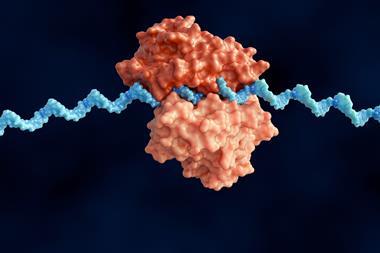
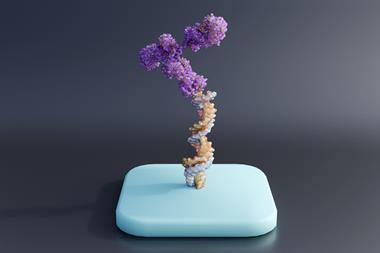
TY1 was developed as a synthetic version of a type of non-coding ribonucleic acid (RNA), a molecule involved in regulating cellular processes.
Researchers previously investigated TY1 as a way to reduce tissue damage following heart attacks, but after finding evidence that the drug could reduce DNA damage in laboratory experiments, they examined whether the same mechanism could be relevant to autoimmune disease.
They tested TY1 on immune cells from people with systemic sclerosis and found reductions in inflammation and DNA damage. The drug was then administered to laboratory mice with a condition that mimics systemic sclerosis.
The treated mice showed improved heart function and physical activity, alongside reduced scar formation in their organs.
”We chose to test TY1 in systemic sclerosis because the science of how the drug works makes sense and also because it is such a devastating disease,” said Dr Ahmed Ibrahim, Associate Professor of Cardiology at Cedars-Sinai.
The findings suggest TY1 may interfere with an immune system pathway involved in systemic sclerosis, potentially limiting inflammation, DNA damage and subsequent tissue scarring.
From laboratory research to human trials
The research remains at a preclinical stage and further studies will need to be undertaken to establish whether TY1 is safe or effective in people with systemic sclerosis.
Cedars-Sinai researchers are now preparing an investigational new drug application to the US Food and Drug Administration. The application would be the first step towards gaining approval to begin testing TY1 in people with systemic sclerosis.
This innovative study illustrates how doing careful research on one disease can lead to key discoveries on another – in this case, from conditions that can stiffen the heart to scleroderma, a rare disease that hardens the skin and internal organs in patients who have waited decades for better treatment options.”
Susan Cheng, MD, Chair of the Department of Cardiology in the Smidt Heart Institute.
Key facts
-
Drug: TY1, an experimental synthetic non-coding RNADisease: Systemic sclerosis, also known as scleroderma
-
Laboratory findings: Reduced inflammation and DNA damage in patient-derived immune cells
-
Animal findings: Improved heart function and physical activity with reduced organ scarring
-
Current stage: Preclinical research
-
Next step: Cedars-Sinai researchers are preparing an investigational new drug application to the US Food and Drug Administration
-
US prevalence: Systemic sclerosis affects about 100,000 people in the US




No comments yet