



News – Page 3
-
 News
NewsAI platform identifies novel gp130 inhibitor for colorectal cancer
An AI-assisted drug discovery platform using transfer learning has identified a promising gp130 inhibitor for colorectal cancer.
-
 News
NewsAI identifies 23 antiviral candidates for Bundibugyo Ebola strain
US researchers have deployed artificial intelligence and molecular docking software to identify 23 antiviral compounds with potential activity against Bundibugyo Ebolavirus, as the rare strain continues to spread in the Democratic Republic of Congo with a fatality rate approaching 40 percent.
-
 News
NewsCardiac organoids repair heart attack damage in preclinical study
Researchers have developed a scalable bioreactor-based system to produce cardiac organoids that successfully integrated into damaged heart tissue in porcine models of myocardial infarction, improving cardiac function and reducing scar formation without triggering arrhythmias.
-
 News
NewsOrganoid study reveals valproate’s impact on developing brain
German researchers have used cerebral organoids to investigate how the epilepsy medication valproate interferes with early brain development, identifying significant disruption to the extracellular matrix and neuronal maturation that may explain increased neurodevelopmental risks in exposed foetuses.
-
 News
News3D-printed system doubles growth speed of transplantable gut organoids
A novel 3D-printed confined culture system has enabled researchers to generate larger, more advanced human gastrointestinal organoids in half the time of traditional methods, producing transplantation-ready tissues with self-organised enteric neural networks within 14 days.
-
 News
NewsCholesterol trafficking disruption targets TP53-mutant cancers
Scientists have identified a mechanism to starve aggressive cancers by blocking cholesterol transport within tumour cells, offering a targeted approach for malignancies carrying TP53 mutations, present in half of all cancers.
-
 News
NewsStudy reveals how GLP-1 drugs trigger weight loss in brain cells
NIH researchers have identified the intracellular signalling pathways through which semaglutide and other GLP-1 receptor agonists induce weight loss, revealing why patient responses vary and treatment effects plateau over time.
-
 News
NewsISSCR consortium submits recommendations on NAMs to FDA
The ISSCR Consortium on Advanced Stem Cell-Based Models is calling for greater flexibilty from the FDA to accomodate rapidly changing technologies like stem cell-derived systems, organoids and computational approaches.
-
 News
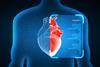
NewsPERM1 protein linked to heart recovery in LVAD patients
A newly identified protein may explain why some failing hearts recover function following mechanical support while others do not.
-
 News
NewsC-Path launches coalition to advance human-relevant drug discovery
The New Approach Methodologies Developer Coalition brings together technology developers, pharmaceutical companies and regulators in a precompetitive initiative to establish qualification standards for complex in vitro models, microphysiological systems and related human-relevant technologies.
-
 News
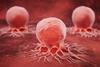
NewsNew study indentifies Golgi apparatus proteins as cancer growth drivers
Researchers at the Harrington Discovery Institute have identified cellular mechanisms involving Golgi apparatus proteins that drive cancer progression by trafficking growth factor receptors to cell surfaces.
-
 News
NewsGut-targeted drug proves effective against polycystic ovary syndrome in mice
Fudan University researchers report that fexaramine, an intestine-specific farnesoid X receptor agonist, improved metabolic and reproductive parameters in mouse models of polycystic ovary syndrome, supporting the gut–ovary axis hypothesis.
-
 News
NewsCircio’s circular RNA platform shows 40-fold gene expression boost
Circio Holding has presented preclinical data at ASGCT demonstrating that its circVec circular RNA platform achieved up to 40-fold greater gene expression in cardiac tissue and 50-fold in ocular tissue compared with conventional AAV gene therapy approaches, potentially enabling significant dose reductions and improved safety profiles.
-
 News
NewsOutSee wins Longitude Prize award for ALS target discovery
OutSee has secured a Discovery Award from the Longitude Prize on ALS, providing £100,000 in funding and access to genomic data from 9,000 patients. The company will deploy its AI-driven Nomaly platform to identify novel therapeutic targets for amyotrophic lateral sclerosis over a nine-month research programme.
-
 News
NewsAI-designed viral vectors achieve 50-fold brain enrichment over AAV9
WhiteLab Genomics has presented preclinical data showing that viral vectors designed using artificial intelligence achieved approximately 50-fold higher DNA enrichment in the brain compared to AAV9, with no detectable liver signal following intravenous administration in mice.
-
 News
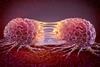
NewsRAGE receptor identified as key driver of age-related metastasis
Georgetown Lombardi researchers have identified RAGE, an inflammatory receptor, as a key mediator of age-related breast cancer metastasis.
-
 News
NewsMYC protein found to repair DNA in cancer cells
Oregon Health & Science University researchers have identified a non-canonical function of the MYC oncoprotein in DNA damage repair, revealing how tumour cells survive chemotherapy-induced stress.
-
 News
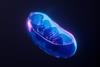
NewsMitochondrial fission activation offers new tool in fight against antibiotic resistance
Scientists at The University of Queensland have discovered that activating mitochondrial fission can enhance immune defences against antibiotic-resistant bacteria.
-
 News
NewsNew RNA sequencing method reveals molecular structures at single-molecule resolution
A*STAR scientists have developed sm-PORE-cupine, a nanopore-based sequencing method that maps individual RNA structures at single-molecule resolution.
-
 News
NewsCAR T cell therapy eliminates glioblastoma tumours in preclinical study
A next-generation CAR T cell immunotherapy targeting the urokinase receptor has eliminated treatment-resistant glioblastoma tumours in preclinical models.