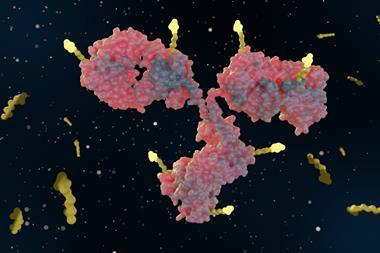
Researchers in China have developed a next-generation CAR-T cell therapy armed with nanogels that can penetrate the dense barriers of solid tumours. This addresses a major limitation in the treatment of solid cancers with immunotherapy.
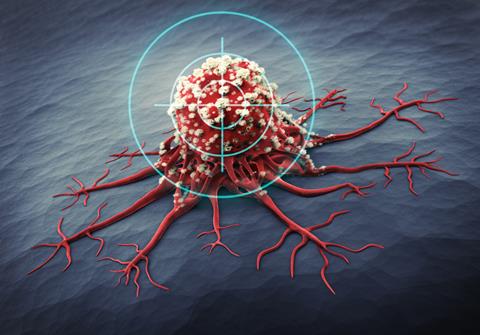
The effectiveness of CAR-T cell therapy in treating solid tumours has long been limited by the tumour’s dense extracellular matrix (ECM) - which acts as a physical barrier preventing T cell infiltration. While combining CAR-T cells with the ECM-degrading enzyme hyaluronidase (HAase) showed promise, its poor accumulation and limited penetration within tumour tissue has hindered its therapeutic success.
Smart nanogels deliver HAase with precision
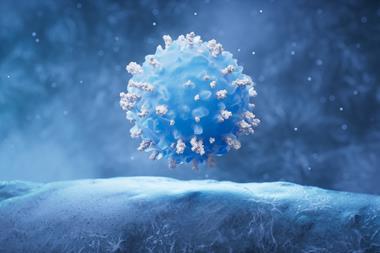
Now, a research team led by Professor Xuesi Chen from the Key Laboratory of Polymer Ecomaterials at the Changchun Institute of Applied Chemistry, has introduced a new solution. Their approach uses HAase-loaded nanogels (H-NGs) attached to CAR-T cells, inspired by metabolic oligosaccharide engineering (MOE). Their study was published in Nano Research.
“In this study, we report a stimuli-responsive HAase-loaded nanogels (H-NGs) which are conjugated on the surface of CAR-T cells for synergistically improving HAase accumulation, ECM degradation and CAR-T cell efficacy. The conjugation of H-NGs on the T cell surface was achieved through metabolic oligosaccharide engineering (MOE) in a semi-quantitatively controlled manner,” said Professor Chen.
“Intravenous injection of H-NGs armed CAR-T cells resulted in more ECM degradation than co-injection of CAR-T cells and free H-NGs, leading to an 83.2 percent tumour inhibition rate and relieves tumour suppressive microenvironment in the Raji solid tumour model.”
Breaking the delivery barrier
HAase is widely recognised as a powerful tool for weakening the tumour’s physical defences. However, ensuring that it reaches and acts deep within the tumour tissue remains a challenge. Nanoparticle delivery systems have been explored, but their distribution typically remains confined to areas near the tumour vasculature - limiting therapeutic effectiveness.
“Given that CAR-T cells inherently possess the capability for tumour trafficking, it is conceivable to conjugate HAase-loaded nanoparticles onto the surface of these ‘living vehicles,” explained Chen. “CAR-T cells would persistently transport the nanoparticles into regions distant from tumour vasculature, where in turn the specifically released HAase would degrade ECM which further augment the tumour infiltration of CAR-T cells. The two processes synergistically facilitate the complete eradication of solid tumours.”
Engineering the perfect vehicle
To achieve this, the team used per-O-acetylated N-azidoacetylmannosamine (Ac4ManNAz),an azido-mannose derivative ideal for cell surface engineering due to its stability and unique reactivity. The nanogels themselves were built from supramolecular polymer chains cross-linked via host-guest interactions between adamantane (Ad) and cyclodextrin (CD) designed to respond to the tumour’s oxidative environment.
Key to the system’s responsiveness is a thioketal (TK) linker that cleaves in environmental with high levels of reactive oxygen species (ROS), such as the tumour microenvironment (TME). This, along with a phenylboronic acid (PBA) group that degrades under oxidative conditions, ensures the precise release of HAase where it is needed most.
Toward enhanced CAR-T therapies
This delivery mechanism allows CAR-T cells not only to transport the enzyme payload into hard-to-reach tumour regions, but also to release it in a controlled manner. The result is improved tumour infiltration and enhanced antitumor activity.
“The degradation of ECM mediated via HAase improved CAR-T cell infiltration and weakened immunosuppressive TME, thereby augmenting the therapeutic effect of CAR-T cells on solid tumours,” said Chen. “The proteomic analysis provided a comprehensive understanding of the mechanism by which CAR-T cells modified with H-NGs achieved superior efficacy against solid tumours. This strategy provides a highly effective combination therapy for CAR-T cells against solid tumours and opens up a new dimension of drug delivery pattern for degrading ECM.”
Looking ahead
With this delivery system, the researchers have laid the groundwork for a new class of CAR-T cell therapies capable of overcoming the physical and immunological barriers of solid tumours.