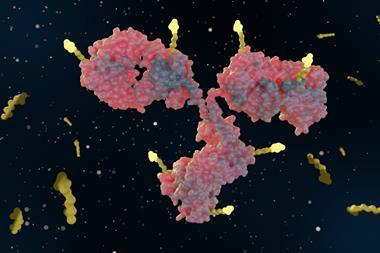
New preclinical data on ACI-19626, a first-in-class PET tracer for imaging TDP-43 pathology, shows potential to greatly improve early diagnosis and treatment of multiple neurodegenerative diseases.
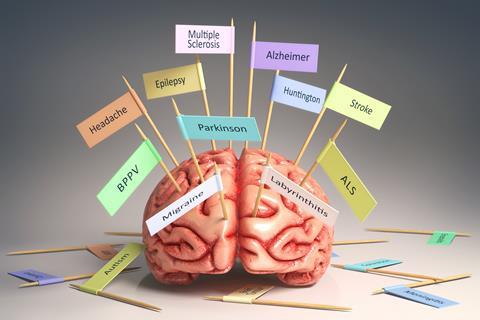
AC Immune SA (NASDAQ: ACIU), a clinical-stage biopharmaceutical company, have announced new preclinical data on its first-in-class brain positron emission tomography (PET) tracers for imaging TDP-43 pathology. The selected candidate, ACI-19626, could enable a precision medicine approach to several neurodegenerative diseases that are currently challenging to diagnose and differentiate.
Targeting TDP-43: a new diagnostic frontier
TDP-43 is the main component in inclusions found in the brains of people with amyotrophic lateral sclerosis (ALS), frontotemporal degeneration (FTD) and limbic-predominant age-related TDP-43 encephalopathy (LATE). It is also a co-pathology in Alzheimer’s (AD) and Parkinson’s disease (PD). These conditions share overlapping clinical signs and symptoms, making differential diagnosis difficult without reliable biomarkers.
Promising preclinical results
Preclinical data demonstrated that ACI-19626, a Morphomer®-based TDP-43 PET tracer, exhibits:
- High affinity for pathological TDP-43 aggregates, but not physiological TDP-43
- Excellent selectivity over common co-pathologies, including Abeta, Tau and alpha-synuclein
- No off-target binding across more than 100 receptors, enzymes, ion channels and transporters
- A pharmacokinetic profile in non-human primates suitable for human PET imaging, with rapid brain uptake, homogenous distribution, and fast, complete washout in the absence of the target
These findings support the potential of ACI-19626 to detect TDP-43 pathology in living patients, minimising background signal in healthy controls.
“Accurate PET imaging of TDP-43 pathology could significantly improve the diagnosis of multiple neurodegenerative diseases, paving the way to precision prevention with the possibility of intervening before damage occurs,” said Dr Andrea Pfeifer, CEO of AC Immune SA. “This important diagnostic tool also has tremendous potential to improve the design and interpretation of clinical trials by enabling patient stratification, optimising the timing of therapeutic intervention, and facilitating evaluation of target engagement and pharmacodynamic effects. Based on its advantageous profile, we took ACI-19626 forward into Phase I development and are looking forward to initial readout from that trial in Q4 2025, as we continue to pioneer the precision prevention of neurodegenerative diseases.”
Advancing to clinical trials
Based on the preclinical findings, ACI-19626 was selected for further evaluation and is now in an ongoing Phase I clinical trial. The study aims to assess its potential to detect pathological TDP-43 in patients with TDP-43 proteinopathies compared to healthy volunteers.
Based on the preclinical findings, ACI-19626 was selected for further evaluation and is now in an ongoing Phase I clinical trial.
“PET imaging biomarkers have been proven to be potential game changers in the field of neurodegenerative diseases, as seen with amyloid PET in Alzheimer’s disease. We strongly believe that the detection of TDP-43 pathology by PET could not only support earlier and more definitive diagnosis but also accelerate drug development and open new avenues for combination therapies,” said Dr Francesca Capotosti, VP Research at AC Immune.




Topics
- AC Immune SA (NASDAQ: ACIU)
- Companies
- Disease Research
- Diseases
- Dr Andrea Pfeifer (CEO of AC Immune SA)
- Dr Francesca Capotosti (VP Research at AC Immune)
- Drug Development
- Drug Discovery
- Drug Discovery Processes
- High-Throughput Screening (HTS)
- Imaging & Diagnostics
- Neurological disorders
- Neurosciences
- Positron emission tomography (PET)
- Translational Science