


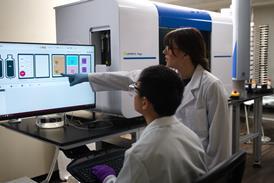
Researchers have shown that pairing a CD276-targeted antibody-drug conjugate with the mitochondrial gene therapy cmLumiOpto kills cancer cells, slows tumour growth and reduces metastatic spread more effectively than either agent alone.
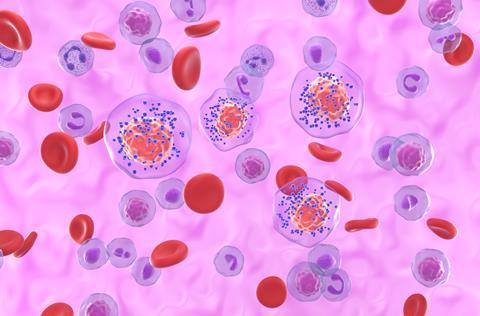
A combination of two treatments has killed cancer cells, slowed tumour growth and reduced the spread of triple-negative breast cancer (TNBC) in preclinical studies at The Ohio State University Comprehensive Cancer Center – Arthur G. James Cancer Hospital and Richard J. Solove Research Institute.
The approach combines a targeted drug delivery system with gene therapy designed to disrupt cancer cells’ energy production. The findings, published in Cell Reports Medicine, could inform the development of treatments for this aggressive form of breast cancer.
“This study points to a possible new way to fight TNBC by pairing a targeted ‘smart bomb’ drug with a treatment that shuts down the cancer cells’ energy factories,” said Xiaoguang “Margaret” Liu, the study’s corresponding author and a professor in Ohio State’s College of Engineering. “These results are an early step, if the approach continues to work in laboratory studies and clinical trials, it could lead to a more effective treatment with fewer side effects than current options.”
Targeting cancer cells and their energy supply
TNBC lacks oestrogen and progesterone receptors and does not have high levels of the HER2 protein. This limits the number of targeted treatments available, while the disease is also more likely to spread and return after treatment.
To address these challenges, researchers combined an antibody-drug conjugate (ADC) targeting CD276, a protein found on the surface of some cancer cells, with a gene therapy called cmLumiOpto.
The ADC uses a laboratory-made antibody to deliver an anticancer drug to cells carrying the target protein, potentially limiting damage to healthy tissue. Meanwhile, cmLumiOpto targets mitochondria, the structures responsible for producing cellular energy, disrupting a process cancer cells need to survive.
Earlier research by the team found that CD276-targeted ADCs reduced tumour burden in preclinical models of TNBC and non-small cell lung cancer. The latest study investigated whether combining this approach with mitochondrial disruption could improve outcomes in metastatic TNBC.
Combination treatment reduces tumour spread
Across two preclinical models of metastatic TNBC, the combined treatment killed cancer cells, slowed tumour growth and reduced cancer spread more effectively than either treatment alone.
This suggests that simultaneously targeting CD276 and mitochondrial energy production could offer a potential strategy against advanced disease. The researchers also reported encouraging results with lower treatment doses, raising the possibility of reducing dose-related side effects.
The lower-dose findings warrant further study because reducing the amount of treatment could help limit dose-related side effects.”
Lufang Zhou, Professor of Surgery and Biomedical Engineering, Ohio State University Comprehensive Cancer Center
Further studies needed before clinical trials
As preclinical models cannot fully reproduce human disease, further work is needed to establish appropriate doses, treatment schedules, long-term safety and the potential for resistance.
Ohio State is seeking funding for this work and a commercial partner to support development. Separately, the licensed CD276-targeted ADC is progressing through studies and manufacturing preparations for a future clinical trial application.









No comments yet