



All Chimeric Antigen Receptors (CARs) articles
-
 News
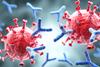
NewsIn vivo CAR T review charts path to off-the-shelf cellular therapy
A review from researchers at Naval Medical University and Shanghai Jiao Tong University examines how engineering CAR T cells directly inside the body could cut manufacturing complexity and expand patient access to cellular immunotherapy.
-
 News
NewsMayo Clinic strategy restores CAR T targets on aggressive thyroid tumours
Mayo Clinic researchers have shown that approved thyroid cancer drugs can restore a key antigen on aggressive tumour cells, making them visible once more to CAR T cells and improving treatment outcomes in preclinical models.
-
 News
News‘Plug-and-play’ CAR T platform enables post-infusion immune cell reprogramming
City of Hope researchers have developed a modular ‘plug-and-play’ CAR T-cell platform that enables post-infusion reprogramming of engineered immune cells, offering a potential solution to treatment resistance driven by tumour evolution.
-
 Webinar
What it really takes to turn cancer discoveries into new therapies
Five leading cancer researchers from across genomics, proteomics, cell biology, chemical biology and gene therapy dig into what’s driving cancer drug discovery forward and what’s still holding progress back.
-
 News
NewsRegnase-1 deletion boosts CAR T-cell efficacy against paediatric osteosarcoma
St Jude researchers have demonstrated that deleting the Regnase-1 gene from CAR T cells significantly improves tumour control and prevents metastasis in preclinical models of relapsed osteosarcoma, paving the way for an early-phase clinical trial.
-
 News
NewsHow CAR T cells are being engineered to target tumour’s ‘soft spot’
A preclinical study published in Nature Biomedical Engineering describes a synthetic biology approach that converts the physical softness of cancer cells into a targetable signal for CAR-T immunotherapy, potentially addressing a key resistance mechanism in solid tumours.
-
 News
NewsWhat Oblenio’s Phase I trial means for autoimmune drug discovery
Oblenio Bio has dosed the first patients in a Phase 1a trial of LBL-051, a tri-specific T cell engager designed to simultaneously target CD19, BCMA and CD3 and eliminate both B cells and plasma cells in a bid to achieve durable immune reset in refractory autoimmune diseases.
-
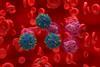 News
NewsBlocking cathepsin B protein enhances CAR T-cell therapy effectiveness
University of Maryland researchers have discovered that blocking cathepsin B protein prevents CAR T-cells from losing effectiveness, potentially improving long-term outcomes for blood cancer patients. The preclinical findings reveal that engineered immune cells inadvertently weaken themselves by acquiring tumour fragments, a process that can be prevented through targeted protein inhibition.
-
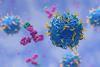 News
NewsCytokine-armoured CAR T cells target glioblastoma while reducing treatment toxicity
UCLA Health researchers have developed cytokine-armoured CAR T cells that directly attack glioblastoma tumours whilst recruiting the body’s wider immune system. The engineered cells showed improved tumour control in mouse models and could address antigen heterogeneity challenges that have limited CAR T therapy success in solid tumours.
-
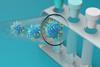 News
NewsRadiotherapy boosts CAR T cell survival in solid tumours
Mount Sinai researchers have discovered that focused irradiation significantly enhances CAR T cell therapy effectiveness in solid tumours by promoting dendritic cell-mediated antigen presentation, enabling sustained immune cell expansion within the tumour microenvironment whilst minimising off-target toxicity.
-
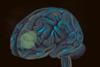 News
NewsCAR T cell therapy eliminates glioblastoma tumours in preclinical study
A next-generation CAR T cell immunotherapy targeting the urokinase receptor has eliminated treatment-resistant glioblastoma tumours in preclinical models.
-
 News
NewsHaem signalling pathway identified as key driver of T cell exhaustion
University of Lausanne researchers have identified a molecular mechanism explaining how cancer-fighting T cells become exhausted in tumours, offering a potential route to improve CAR T therapies through proteasome modulation during cell manufacturing.
-
 Article
Making immunotherapy safer and more accessible through continuous digital monitoring
Immunotherapies such as CAR-T are extending survival, yet reliance on inpatient monitoring for cytokine release syndrome continues to restrict access. This article explores how continuous digital monitoring and AI-driven analysis could enable safer outpatient delivery and support more scalable immunotherapy adoption.
-
 Article
Engineering the next generation of T-cell engagers
T-cell engagers are a branch of immunotherapy that has undergone considerable change since their clinical inception. Andrew J Souers, VP, Oncology Discovery Research at AbbVie, elucidates the current understanding of their biology and expanding focus areas of application.
-
 Article
RNA that lasts longer and lands exactly where it should
RNA therapies are moving past burst-and-fade limits. New advances in circular RNA and targeted delivery could transform how we treat autoimmune disease, infections and beyond.
-
 News
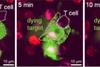
NewsNew CAR-T cell therapy capable of destroying glioblastoma cells
A new CAR-T treatment developed in Switzerland has shown striking early success against glioblastoma, one of the deadliest brain cancers, and is now moving towards human trials.
-
 News
NewsNew CAR T therapy targets solid tumours safely and effectively
USC researchers have engineered CAR T cells to deliver a dual protein therapy that targets solid tumours – offering hope for cancers previously resistant to treatment.
-
 News
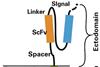
NewsAnti-linker antibodies: a universal key for CAR-T detection
Every new CAR-T needs a new detection tool – until now. Anti-linker antibodies could change how researchers develop and track these therapies.
-
 Article
CAR T’s biggest hurdle: solving the toxicity problem
CAR T therapies are saving lives, but toxicities such as CRS and ICANS remain a major barrier. What will it take to overcome them?
-
 Article
Lupus reimagined: targeting the cause, not just the symptoms
Engineered cell therapies are offering a potential new way to treat lupus – not by suppressing symptoms, but by reprogramming the immune system itself. For the first time, lasting remission looks like a real possibility.