



All Molecular Biology articles – Page 4
-
 News
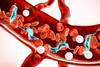
NewsPEX38 protein identified as drug target for trypanosome parasites
A newly identified protein essential to the survival of trypanosome parasites could offer a highly targeted route for future drug development.
-
 Article
Integrated proteo-transcriptomics reveals multiple therapeutic targets in Candida auris
Scientists at the Medical University of Vienna identify multiple mechanisms of multidrug resistance in Candida auris, revealing new therapeutic opportunities.
-
 News
NewsNew precision GLP-1 agonist could reduce side effects in patients
Researchers have developed a novel GLP-1 receptor agonist that preserves blood sugar control while reducing nausea and vomiting, offering a potential safer approach to treating diabetes and obesity.
-
 News
NewsARK1 identified as target for future malaria drugs
Scientists have identified Aurora-related kinase 1 (ARK1) as a vital protein in malaria parasite development, a breakthrough that could enable future drugs designed to block transmission.
-
 Interview
Why PDE4B matters in the search for better IPF and PPF therapies
Could targeting a single enzyme play a role in slowing lung fibrosis? Boehringer Ingelheim’s research into PDE4B is offering promising clues.
-
 News
NewsCircular RNA drives 50-fold boost in eye gene therapy
New in vivo data show a circular RNA platform can deliver up to a 50-fold increase in gene expression in the eye compared with conventional mRNA-based AAV approaches.
-
 News
NewsBispecific EGFR/EphA2-targeting ADC shows promise in colorectal cancer
Promatix Biosciences Ltd has announced positive preclinical data for its first-in-class bispecific antibody–drug conjugate, PBS293-MMAE, demonstrating enhanced tumour selectivity, improved suppression and reduced toxicity in colorectal cancer models.
-
 News
NewsHow tuberculosis bacteria outsmart human immune cells
Scientists have discovered how tuberculosis bacteria stiffen immune cell membranes to survive inside the body, a breakthrough that could lead to the development of new TB treatments.
-
 News
NewsMessy lipid nanoparticles deliver RNA more effectively
New research shows that lipid nanoparticles used in mRNA vaccines may deliver RNA more effectively when their structure is disorganised.
-
 News
NewsCamel-derived peptides target multidrug bacteria
Researchers at Sultan Qaboos University have identified three antimicrobial peptides from dromedary camels that demonstrate potent activity against multidrug-resistant bacteria.
-
 News
NewsCat cancer study reveals targets for human drugs
A major international study has discovered genetic similarities between cancers in cats and humans, potentially helping to inform future drugs that could benefit both species.
-
 News
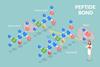
NewsNew method boosts production of non-natural amino acids for peptide assembly
A team of researchers has developed a faster, simpler method for creating non-natural amino acids and assemble them into peptides, a breakthrough that could accelerate peptide research and provide new tools for designing drugs.
-
 Article
Replacing animals in science: what the UK’s new strategy means
The UK has set out a strategy to replace animal testing, but delivering change will depend as much on regulation as on technology. Dr Emma Grange, Director of Science and Regulatory Affairs at Cruelty Free International, examines what the policy signals for research, drug discovery and safety assessment.
-
 News
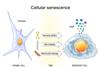
NewsTargeting senescent cells may reduce postpartum breast cancer risk
A study from the Institut Pasteur reveals how cellular senescence during mammary gland involution after pregnancy may both aid tissue repair and promote postpartum breast cancer.
-
 News
News$3.2m project targets aggressive MDM2 in breast cancer
A University of Houston scientist has joined a $3.2 million research collaboration to develop a new drug targeting one of the key drivers of triple-negative breast cancer.
-
 News
NewsAMD3100 drug could boost immunotherapy in rare liver cancer
A rare liver cancer that primarily affects young people may soon have a new treatment option, after researchers found that an existing FDA-approved drug could enable immunotherapy to work effectively against tumours.
-
 News
NewsNew organoid model helps test spinal cord regeneration drugs
Northwestern scientists have grown human spinal cord organoids to test therapies that could reduce scarring and promote nerve regrowth in patients.
-
 News
NewsMemory-linked brain cells offer new obesity target for future therapies
Scientists have identified a brain circuit that connects contextual memory with appetite, advancing understanding of binge eating and obesity while highlighting a promising new target for drug discovery.
-
 News
NewsNew SerpinB2 immune cell discovery could reverse type 2 diabetes
Researchers at the University of Pittsburgh School of Medicine have developed a new approach for tackling insulin resistance and type 2 diabetes by protecting beneficial immune cells in fat tissue.
-
 News
NewsSiglec-15 identified as key target in paediatric brain cancer
Scientists have identified a previously unknown lysosomal signalling pathway that drives growth in drug-resistant SHH medulloblastoma, which could lead to more precise and less harmful treatments for children with aggressive brain tumours.