Scientists have used advanced computer modelling and lab techniques to design potential new diabetes drugs that improve insulin sensitivity.

Scientists in Florida have developed a new approach to designing potential Type 2 diabetes drugs that could improve insulin sensitivity while reducing the serious side effects linked to older treatments.
Using a combination of computer modelling, structural analysis and cell-based experiments, researchers at The Herbert Wertheim UF Scripps Institute for Biomedical Innovation & Technology have created compounds that reprogramme insulin-resistant cells into a healthier state.
A pressing need for safer treatments
An estimated 36 million people in the United States live with Type 2 diabetes, a condition caused by the body’s reduced response to insulin. Around one third of these patients also suffer from chronic kidney disease, significantly limiting their treatment options.
An estimated 36 million people in the United States live with Type 2 diabetes.
Uncontrolled Type 2 diabetes can lead to heart disease, nerve and blood vessel damage, cognitive decline and vision problems. Dr Patrick Griffin, scientific director of the Wertheim UF Scripps Institute, said current therapies do not adequately address the needs of many patients.
“PPAR gamma has been a notoriously difficult target, but it remains an essential one for helping patients who still lack safe, effective options,” Griffin said. “What this study shows is that with the right tools and careful design, we can finally begin to overcome those barriers.”
Targeting a complex protein
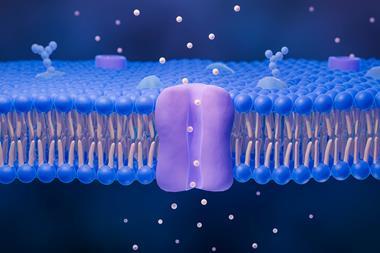
The research focused on Peroxisome Proliferator-Activated Receptor gamma (on PPAR gamma), a protein that acts as a master regulator of fat cell function and insulin metabolism. As a nuclear receptor, it binds directly to DNA and switches groups of genes on or off. Its influence extends beyond diabetes to inflammation, cancer, obesity, heart disease and osteoporosis, making it both a favourable and challenging drug target.
Previous drugs known as glitazones, including Actos and Avandia, successfully improve insulin sensitivity by targeting PPAR gamma. However, they have been linked to serious side effects affecting the heart and bones, and in some cases increased cancer risk. The US Food and Drug Administration (FDA) requires a boxed warning on all glitazones due to their potential to cause or worsen congestive heart failure.
 Type 2 diabetes occurs when the body’s cells become resistant to insulin, a hormone that helps absorb sugar from the blood. This leads to high blood sugar, which over time can damage nerves, blood vessels and organs.[/caption]
 Combining supercomputing and biology
To design safer alternatives, Griffin and graduate student Kuang-Ting Kuo used a blend of biochemical testing, hydrogen-deuterium exchange mass spectrometry and advanced computer simulations. The modelling was carried out on HiPerGator, the University of Florida’s supercomputer.
Biochemical tests measured how the compounds altered PPAR gamma activity, while structural techniques tracked subtle changes in the protein’s shape.
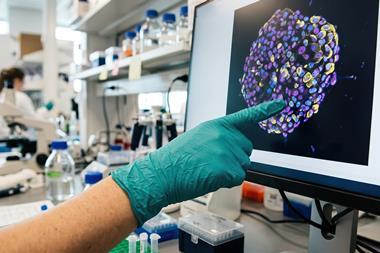
Biochemical tests measured how the compounds altered PPAR gamma activity, while structural techniques tracked subtle changes in the protein’s shape. Computer simulations allowed the team to observe how the protein moved and flexed when bound to different compounds, before testing their effects in mouse and human fat cells.
“Our approach provides a transferable framework that can be applied to other drug discovery efforts targeting complex signaling proteins,” Kuo said. “By combining computer modelling with structural measurements and cell-based testing, we can more efficiently identify compounds with favorable biological effects.”
Looking ahead
The computational demands of the project were significant. “A single 100-nanosecond molecular dynamics simulation took about six hours on HiPerGator,” Kuo said. “With 26 compounds and three independent simulations per compound, the total computing time approached 20 days.”
The team plans to study how the compounds behave in more complex biological systems and interact with other molecules in the body. Griffin said the ultimate goal is to translate the findings into real-world treatments.
“Seeing this research accelerate in ways that directly address urgent patient needs is deeply gratifying,” he said. “We’re committed to translating these findings into clinical progress.”



Topics
- Artificial Intelligence (AI)
- Assays
- Cell-based Technologies
- Computational Techniques
- Dr Patrick Griffin (scientific director of the Wertheim UF Scripps Institute)
- Drug Development
- Drug Discovery Processes
- Drug Targets
- High-Throughput Screening (HTS)
- Hit-to-Lead
- Hormones
- Kuang-Ting Kuo (graduate student from UF Scripps Institute)
- Metabolic disorders
- Molecular Biology
- Molecular Modelling
- Molecular Targets
- Neurological disorders
- Pharmacology
- Protein Expression
- Small Molecules
- The Herbert Wertheim UF Scripps Institute for Biomedical Innovation & Technology
- Translational Science