Researchers have discovered how seemingly supportive brain cells help glioblastoma thrive, whilst identifying an existing HIV drug, Maraviroc, that could be repurposed to slow tumour growth.

A team of scientists from McMaster University and The Hospital for Sick Children (SickKids) have identified a new way to slow the growth of glioblastoma whilst also discovering an existing HIV drug that could be used as a treatment.
The research shows that certain brain cells previously believed to play a purely supportive role in healthy nerve function can actively help glioblastoma tumours grow and spread. By disrupting the harmful signals sent by these cells, researchers were able to significantly slow tumour growth in laboratory models.
Rethinking the role of brain support cells
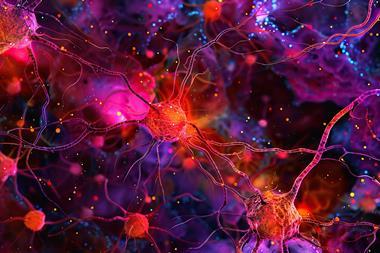
Glioblastoma is known for its ability to form highly connected networks of cells that communicate with one another to promote survival and rapid growth. While scientists have long understood that disrupting these networks can weaken the cancer, the new study looks into which brain cells are involved and how they contribute to tumour progression.
Glioblastoma is known for its ability to form highly connected networks of cells that communicate with one another to promote survival and rapid growth.
The researchers discovered that oligodendrocytes – cells normally responsible for insulating and protecting nerve fibres – can change their behaviour when exposed to cancer. Rather than supporting healthy brain function, these cells begin to assist tumour growth by sending signals that strengthen and sustain glioblastoma cells.
When this communication pathway was blocked in experimental models, tumour growth slowed dramatically, demonstrating that the interaction is key to the cancer’s survival.
“Glioblastoma isn’t just a mass of cancer cells, it’s an ecosystem,” says Sheila Singh, Professor of Surgery at McMaster University and co-senior author of the study. “By decoding how these cells talk to each other, we’ve found a vulnerability that could be targeted with a drug that’s already on the market.”
An existing drug with new potential
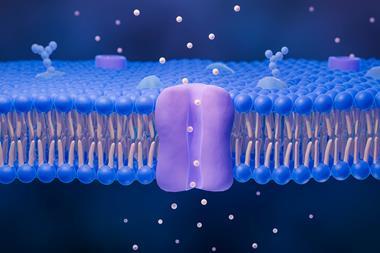
One of the most promising aspects of the discovery is that the signalling system involved relies on a receptor known as CCR5. This receptor is already targeted by Maraviroc, a medication approved and widely used to treat HIV.
The cellular ecosystem within glioblastoma is far more dynamic than previously understood.
Because Maraviroc is already on the market, the findings raise the possibility that the drug could be repurposed to treat glioblastoma, potentially accelerating the development of new therapies for patients who currently have very few options and are often given just months to live.
“The cellular ecosystem within glioblastoma is far more dynamic than previously understood. In uncovering an important piece of the cancer’s biology, we also identified a potential therapeutic target that could be addressed with an existing drug. This finding opens a promising path to explore whether blocking this pathway can speed progress toward new treatment options for patients,” said Jason Moffat, Senior Scientist, Head of the Genetics & Genome Biology program at SickKids and co-senior author of the study.
Building on earlier discoveries
The research builds on earlier work by Singh and Moffat published in Nature Medicine in 2024, which showed that glioblastoma cells can hijack migration pathways normally used during brain development to invade healthy tissue.
Combined, the findings advance glioblastoma research towards understanding and dismantling the complex communication networks that allow the tumour to thrive, providing new optimism in the fight against one of the deadliest forms of cancer.


Topics
- 3D Cell Cultures
- Cancer
- Disease Research
- Drug Discovery
- Drug Discovery Processes
- Drug Repurposing
- Drug Targets
- G-Protein Coupled Receptors (GPCRs)
- In Vitro Testing
- Infectious disease
- Jason Moffat (Senior Scientist and Head of the Genetics & Genome Biology program at SickKids)
- McMaster University
- Molecular Biology
- Neurological disorders
- Neurosciences
- Oncology
- Pharmacology
- Sheila Singh (Professor of Surgery at McMaster University)
- The Hospital for Sick Children (SickKids)
- Translational Science